



What's Happening?
Hoja santa (Piper auritum), also known as Mexican pepperleaf or root beer plant, is gaining recognition as an aromatic herb suitable for container gardening, particularly in USDA zones 8 to 11. This tropical plant, traditionally valued in Central and
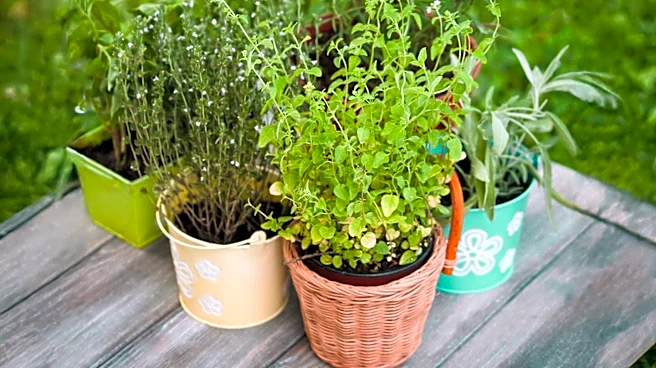
South American cuisine and medicine, features large, heart-shaped, fuzzy leaves that release a complex scent often compared to root beer when crushed. While thyme is a common choice for patio pots, hoja santa presents a bolder alternative, offering both culinary and medicinal benefits, including uses for digestion, wound care, and headaches. Its aggressive spreading nature via seeds and rhizomes makes container cultivation a practical choice, especially since it is classified as invasive in Florida and Hawaii. Hoja santa thrives in well-draining potting soil with sphagnum moss and prefers dappled shade, making it a strong candidate for gardeners seeking a unique and fragrant plant.
Why It's Important?
The increasing popularity of hoja santa in U.S. container gardening signifies a growing interest in diverse, multi-functional plants that offer both aesthetic and practical value. For home gardeners, it provides an opportunity to cultivate an exotic herb with a distinctive flavor profile for culinary experimentation, potentially enriching American home cooking with new ingredients. Its medicinal properties also appeal to those interested in natural remedies and self-sufficiency. However, its classification as an invasive species in Florida and Hawaii highlights the importance of responsible gardening practices, particularly the use of containers to prevent its spread into native ecosystems. This trend could influence the horticultural market, leading to greater availability of less common herbs and encouraging nurseries to educate consumers on invasive species management, thereby promoting ecological awareness among gardeners.
What's Next?
As awareness of hoja santa grows, nurseries and garden centers in USDA zones 8-11 may see increased demand for seeds and seedlings, potentially leading to wider availability. Educational efforts will likely focus on promoting container gardening for this plant to mitigate its invasive potential, especially in regions where it is already a concern. Gardeners can expect to find more resources on its specific care requirements, including optimal soil conditions and light exposure. The culinary and medicinal communities might also explore new applications for hoja santa, further integrating its unique flavor and properties into American diets and wellness practices. Continued monitoring of its spread in areas like Florida and Hawaii will be crucial to ensure that its cultivation remains environmentally responsible.
Beyond the Headlines
The embrace of hoja santa reflects a broader cultural shift towards exploring global culinary traditions and natural health remedies within the U.S. This trend extends beyond mere gardening to influence food culture, potentially introducing new flavors and ingredients into mainstream American cuisine. Ethically, the plant's invasive status in certain regions underscores the ongoing challenge of balancing horticultural diversity with ecological preservation. It prompts a deeper conversation about the responsibility of gardeners and the industry to prevent the introduction and spread of non-native species. Furthermore, the plant's historical use in traditional medicine highlights the value of ethnobotanical knowledge and its potential contributions to modern wellness, encouraging a more holistic approach to health and gardening that respects both cultural heritage and environmental stewardship.