




What's Happening?
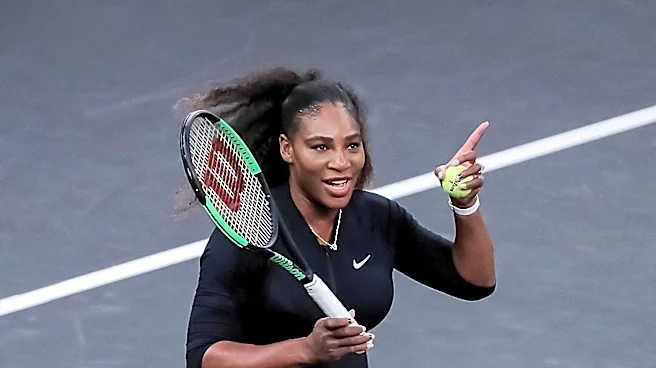
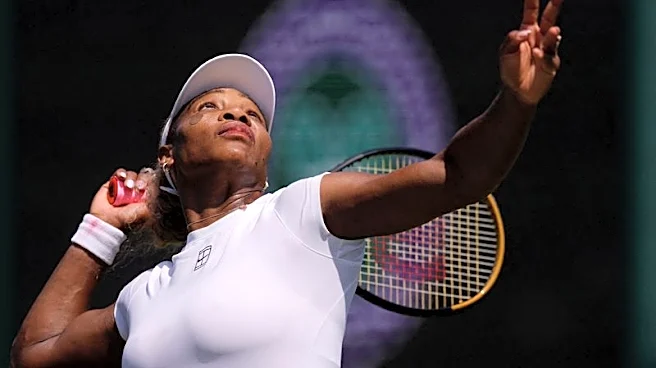
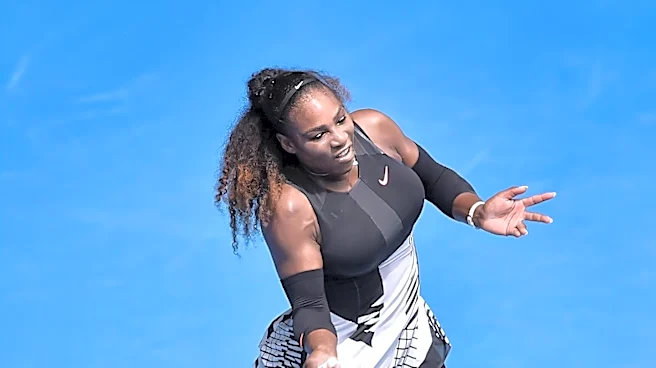
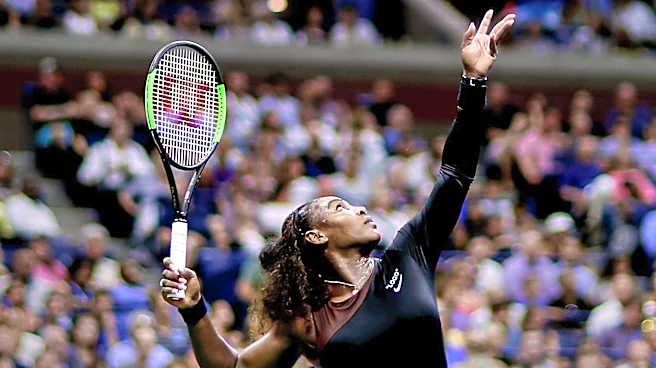
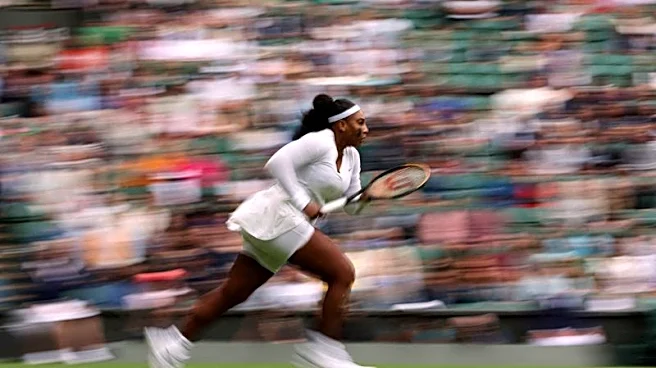
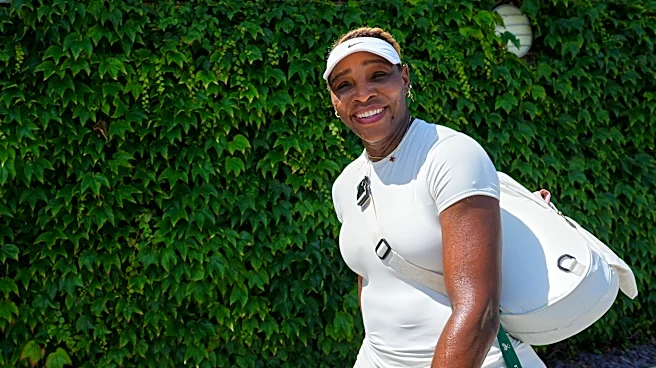
Serena Williams, the renowned American tennis player and seven-time Wimbledon champion, has expressed her frustration with the anti-doping protocols she faced upon her return to professional tennis. Williams, who had been absent from the sport for four
years, rejoined the anti-doping testing pool in December as part of her comeback strategy. She recently participated in the Queen's doubles and is planning a singles comeback at Wimbledon. During a news conference, Williams described the anti-doping process as 'gruelling' and noted that it almost deterred her from returning to the sport. The protocols require players in the testing pool to be available for testing at a specified location for one hour every day, and missing three tests within a year can lead to sanctions. Williams criticized the lack of personal freedom these rules impose, although she acknowledged the necessity of maintaining a clean sport.
Why It's Important?
Williams' comments highlight ongoing tensions between athletes and the International Tennis Integrity Agency (ITIA) regarding anti-doping measures. The strict protocols are designed to ensure fair play, but they also impose significant stress on athletes, as evidenced by similar complaints from other players like Jessica Pegula and Alexander Zverev. The debate underscores the balance sports organizations must strike between rigorous anti-doping enforcement and respecting athletes' personal lives. Williams' high-profile status brings additional attention to these issues, potentially influencing future discussions on how to improve the system while maintaining its integrity.
What's Next?
As Williams prepares for her singles comeback at Wimbledon, her criticisms may prompt further dialogue within the tennis community about the anti-doping process. The ITIA may face pressure to review and possibly adjust its protocols to address athletes' concerns without compromising the effectiveness of its anti-doping efforts. Stakeholders, including players, sports bodies, and regulatory agencies, might engage in discussions to find a more balanced approach that ensures both fair competition and reasonable personal freedom for athletes.