






What's Happening?
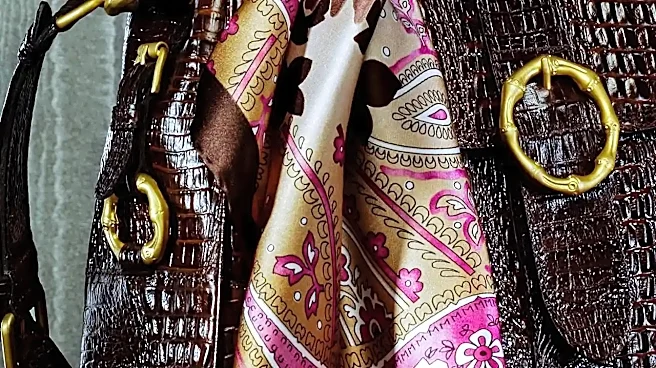
A growing trend in the U.S. sees luxury designer bags becoming a significant status symbol for men. This shift is evident among high-profile figures, including star footballers like Jude Bellingham, Kylian Mbappé, Virgil van Dijk, and Erling Haaland,
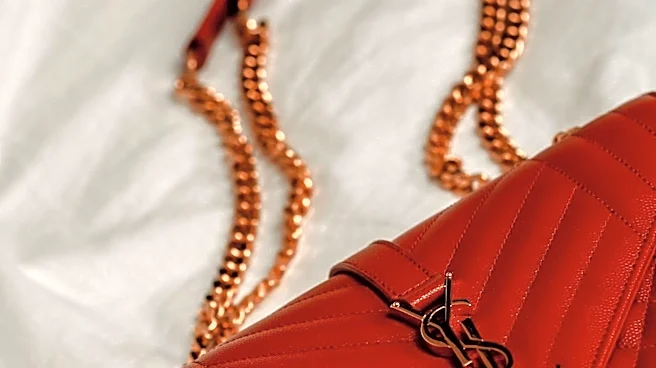
who have been seen with expensive designer bags. Celebrities such as Jacob Elordi, Harry Styles, and A$AP Rocky have also integrated opulent handbags into their daily attire. Data from Depop, a popular platform among Gen Z, indicates a 116% year-over-year increase in men's bag purchases, with searches for men's bags from brands like Bottega Veneta and Hermès tripling over the summer. This phenomenon is described by stylist Michael Fisher as a modernization of traditional status symbols, akin to the briefcase for previous generations. Brands including Marni, Fendi, and Loewe are actively catering to this market with various duffels, crossbodies, and carryalls designed for men.
Why It's Important?
This trend signifies a notable evolution in male fashion and consumer behavior within the U.S. It reflects a broader acceptance and desire among men to express personal style and affluence through accessories beyond traditional items like watches or cars. The increased demand for luxury bags by men presents a significant market opportunity for high-end fashion brands, potentially leading to new product lines, marketing strategies, and increased revenue. For consumers, it redefines what constitutes a 'masculine' accessory and expands the scope of personal expression. This shift also impacts the resale market, as platforms like Depop report substantial growth in this category. The trend challenges conventional gender norms in fashion, indicating a more fluid and inclusive approach to style, where luxury items are increasingly seen as universal symbols of success and personal taste, rather than being confined to one gender.
What's Next?
The trajectory of this trend suggests continued growth in the men's luxury bag market. Fashion houses are likely to further invest in designing and marketing collections specifically tailored for men, potentially leading to more diverse styles and functionalities. We can anticipate an increase in celebrity endorsements and social media campaigns featuring men with designer bags, further normalizing and popularizing the trend. Retailers, both online and brick-and-mortar, will likely expand their inventory to meet this rising demand. There may also be a ripple effect on other male accessory categories, as men become more comfortable investing in and showcasing high-end fashion items. The debate around the longevity of this trend, with some questioning its timelessness compared to items like watches, will likely continue, but current indicators point towards sustained interest and market expansion.
Beyond the Headlines
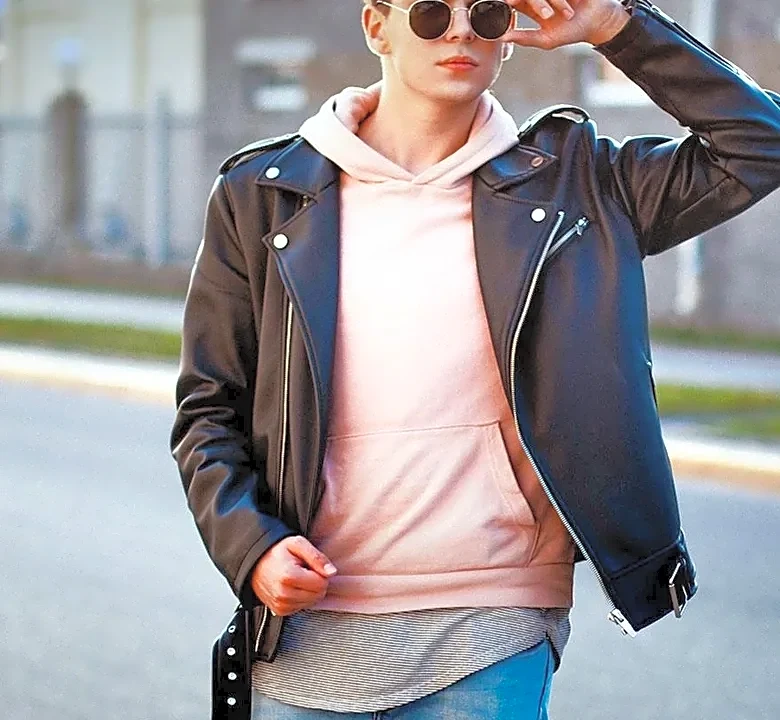
Beyond the immediate commercial implications, the rise of luxury bags as a male status symbol in the U.S. touches upon deeper cultural and sociological shifts. It challenges traditional notions of masculinity, which historically associated men with practicality and understated accessories. This trend suggests a growing comfort among men in embracing fashion as a form of self-expression and a tool for signaling success and identity, moving beyond purely functional considerations. It also highlights the influence of social media and celebrity culture in shaping consumer desires and accelerating fashion trends. The investment in expensive bags can be seen as a form of 'nerding out' or a hobby, similar to collecting watches or vintage cars, indicating a desire for connoisseurship and exclusivity. This evolution could lead to a more diverse and less gender-stereotyped fashion landscape, fostering greater individuality and challenging rigid societal expectations about male appearance and consumption.