






What's Happening?
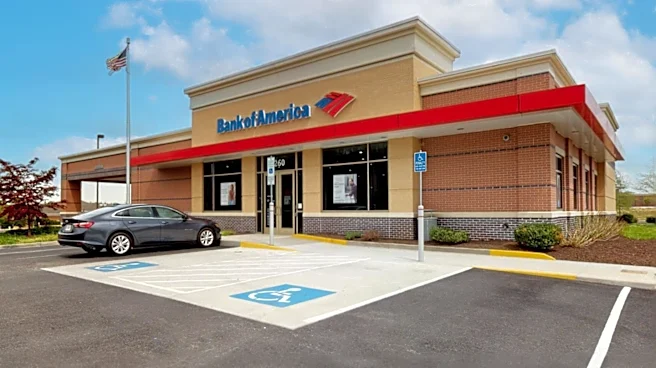
Bank of America is providing guidance to caregivers on how to prevent elder financial fraud and exploitation, recognizing that caregivers are often the first to notice suspicious financial activity. The bank highlights that scammers target individuals
of all ages, but older adults are frequently targeted through impersonation and financial scams. Key warning signs for caregivers to look for include unusual requests for money, the appearance of new 'friends,' or changes in financial behavior. To combat these threats, Bank of America suggests several proactive measures: knowing the warning signs of scams, creating a family safe word for urgent communications, regularly discussing scams with loved ones, establishing a trusted contact for suspicious activity, and encouraging loved ones to pause and verify unexpected requests. Additionally, the bank recommends reviewing privacy and security settings, using strong passwords with multi-factor authentication, and regularly monitoring financial accounts for unusual activity.
Why It's Important?
Elder financial fraud and exploitation represent a significant and growing threat to the financial well-being and security of older adults in the U.S. The vulnerability of this demographic, often due to cognitive decline, social isolation, or reliance on others for care, makes them prime targets for scammers. The financial losses incurred by elder fraud can be devastating, impacting retirement savings, healthcare access, and overall quality of life. For caregivers, the responsibility of protecting loved ones from these scams adds another layer of stress and complexity to their roles. Bank of America's initiative is important because it empowers caregivers with practical tools and knowledge to identify and prevent fraud, thereby safeguarding the assets of older adults. The emphasis on proactive communication and vigilance within families can create a stronger defense against sophisticated scam tactics, ultimately protecting vulnerable populations and preserving their financial independence.
What's Next?
To enhance protection against elder financial fraud, Bank of America encourages caregivers to schedule regular check-ins with loved ones to discuss financial safety, online activity, and emerging scam trends. These conversations are crucial for creating a safe environment where individuals feel comfortable sharing suspicious messages without fear of embarrassment. The bank's recommendations aim to foster a collaborative approach to financial security within families. As scams continue to evolve, financial institutions like Bank of America are likely to continue developing and promoting resources that educate the public on fraud prevention. The focus will remain on empowering individuals and their support networks with the knowledge and tools necessary to detect and report fraudulent activities, thereby minimizing financial losses and emotional distress for older adults.
Beyond the Headlines
The issue of elder financial fraud extends beyond individual financial losses, touching upon broader societal concerns regarding elder care, digital literacy, and the ethical responsibilities of financial institutions. The increasing prevalence of these scams highlights the need for a multi-faceted approach involving not only banks and caregivers but also government agencies, law enforcement, and community organizations. There is a growing imperative to develop more robust legal protections and reporting mechanisms for elder abuse. Furthermore, the psychological impact of being scammed can be profound, leading to feelings of shame, isolation, and distrust. Addressing this requires a compassionate response that supports victims and helps them regain a sense of security. The proactive measures suggested by Bank of America contribute to a larger effort to build a more resilient and informed community capable of protecting its most vulnerable members from financial exploitation.