

What's Happening?
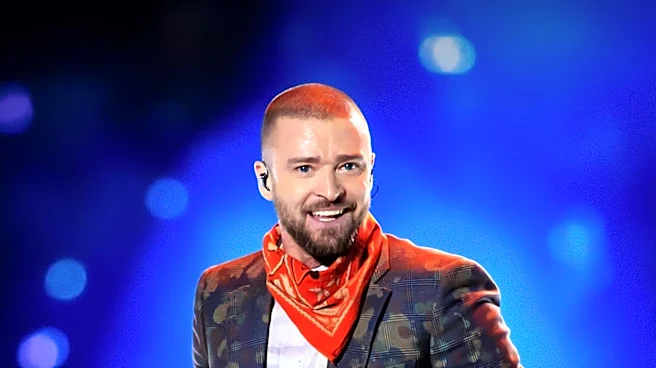
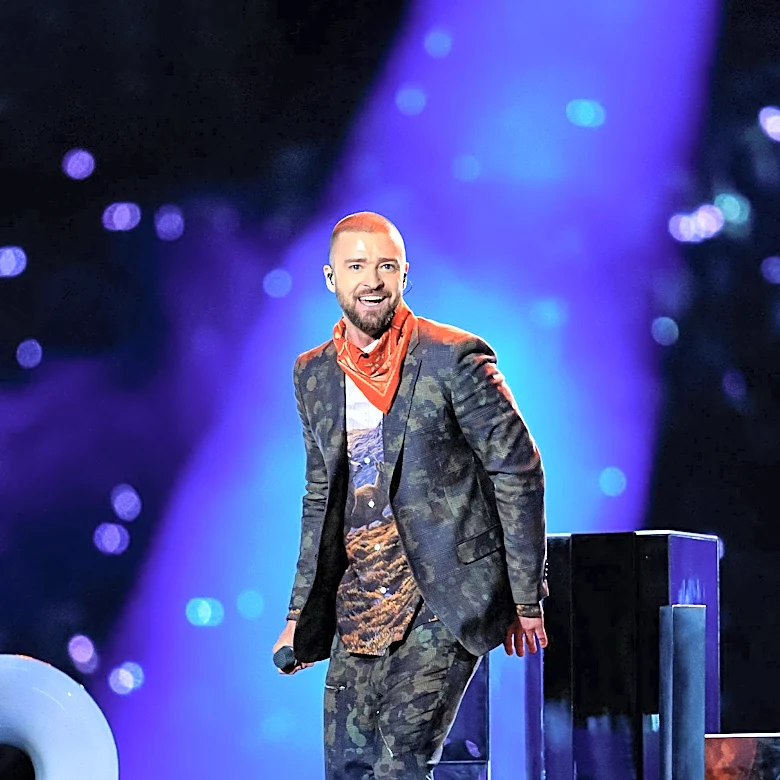
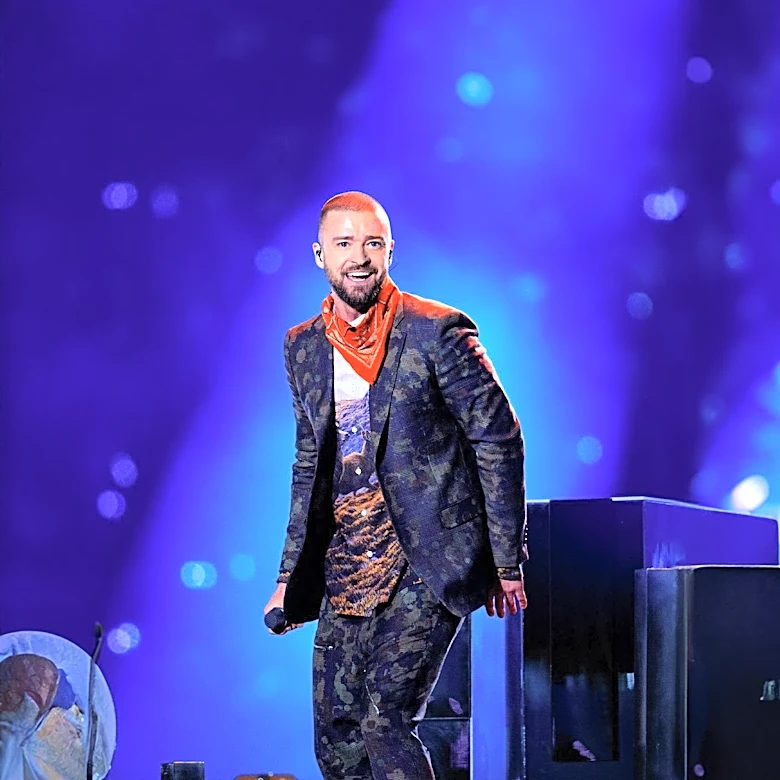
Justin Timberlake has issued an apology for his beatboxing tendencies during his *NSYNC and early solo career. This comes in response to a viral Instagram video by creator Hannah Young, who humorously highlighted Timberlake's frequent beatboxing, particularly
the 'boots and cats' sound, which often went unquestioned at the time. Young's video pointed out the availability of professional studio equipment and drums, questioning why beatboxing was so prevalent in his music. Timberlake acknowledged the humor, commenting on the video, "I often look back on that time as well. I still haven't come up with any answers. I don't know how to apologize enough for whatever those ambitions were. Too many boots. Too many cats. I hope you can forgive me." He also added a caveat, stating, "Also, I can't promise I won't do it again. God help us all." Beatboxing was a notable element in his music, including the 2001 *NSYNC track 'Pop' and the foundation of his solo hit 'Cry Me a River,' which Timbaland reportedly beatboxed first.
Why It's Important?
This event highlights the evolving nature of pop culture and how past musical trends are re-evaluated through a contemporary lens. For Justin Timberlake, a prominent figure in American music, acknowledging and humorously apologizing for a past stylistic choice demonstrates a level of self-awareness and engagement with his audience. It also underscores the power of social media in shaping public discourse around celebrity personas and historical artistic decisions. The viral nature of Hannah Young's video and Timberlake's direct response illustrate how online content can influence public perception and even prompt reactions from high-profile individuals. This interaction can strengthen the connection between artists and their fanbase, showing a willingness to participate in lighthearted self-critique. For the music industry, it serves as a reminder that even established artists are subject to public commentary and that engaging with it can be a valuable part of maintaining relevance and relatability.
What's Next?
While this specific apology is largely a humorous interaction, it could potentially lead to a renewed interest in Timberlake's early work, with fans revisiting his beatboxing moments. It might also inspire other artists to reflect on and engage with past aspects of their careers in a similar lighthearted manner. There's a possibility that Timberlake might playfully incorporate beatboxing into future performances or recordings, given his comment about not being able to promise he won't do it again. This could be a nod to his past and a way to connect with fans who appreciate his self-deprecating humor. The viral video's success could also encourage more content creators to produce similar analyses of celebrity quirks, further blurring the lines between fan commentary and celebrity engagement.
Beyond the Headlines
This seemingly lighthearted exchange touches upon deeper cultural aspects of nostalgia and the re-contextualization of pop culture phenomena. The early 2000s, a distinct era in music and fashion, is frequently revisited and often parodied in contemporary media. Timberlake's beatboxing, once a common element, now serves as a humorous marker of that specific time. This incident also subtly reflects the shift in music production, where beatboxing, once a raw and immediate form of rhythm creation, has largely been replaced by more sophisticated digital tools. The public's reaction, from the viral video to Timberlake's apology, showcases a collective cultural memory and the way audiences engage with the past, often with a blend of affection and amusement. It highlights how even minor artistic choices can become iconic and subject to re-evaluation years later, contributing to the ongoing narrative of an artist's career.