








What's Happening?
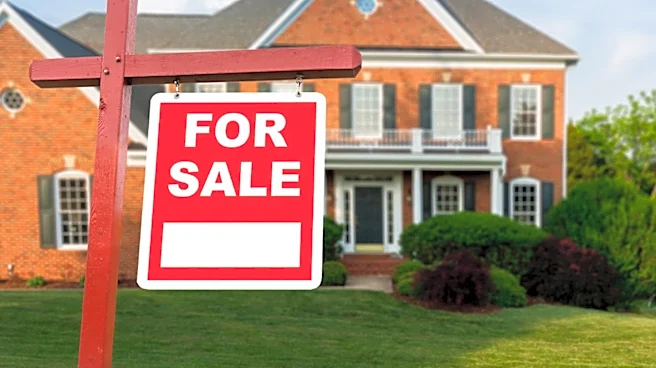
The affordability of starter homes in the U.S. is gradually improving, although the market remains challenging compared to pre-pandemic levels. According to a report by Realtor.com, the cost of a typical starter home has increased from $256,000 in 2019
to $344,000, with the share of affordable listings under $350,000 dropping from 55% to 37.6%. The market has shifted towards higher-income households due to rising mortgage rates and limited inventory. The average age of first-time homebuyers has risen to 40 years, with many buyers pooling resources or relocating to more affordable areas. The South, particularly Texas, Florida, and the Carolinas, has seen significant new construction, contributing to improved affordability.
Why It's Important?
The gradual recovery in starter home affordability is crucial for first-time buyers, who have faced significant barriers due to rising home prices and mortgage rates. The shift towards higher-income buyers indicates a growing divide in the housing market, where lower-income individuals are increasingly priced out. This trend has broader implications for economic mobility and housing equity. The South's recovery, driven by new construction, highlights the importance of regional differences in housing markets. As affordability improves, it may encourage more first-time buyers to enter the market, potentially stabilizing housing demand and prices.
What's Next?
The outlook for starter home affordability varies across regions, with the South showing the most promise due to aggressive construction efforts. However, other regions, such as the Northeast, continue to face challenges with rising prices and limited affordable inventory. Policymakers and industry stakeholders may need to focus on increasing housing supply and addressing affordability issues to support first-time buyers. Continued monitoring of mortgage rates and economic conditions will be essential to understanding future trends in the housing market.