






What's Happening?
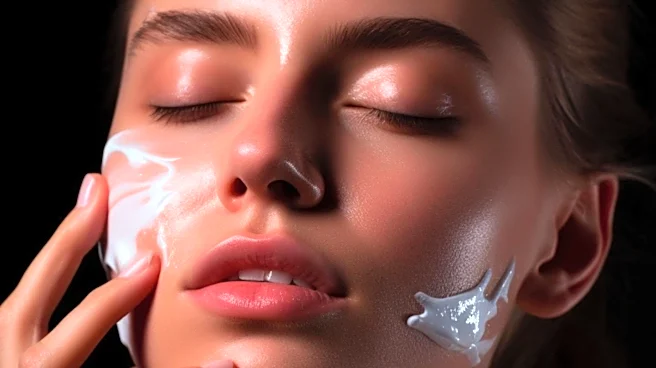
The Korean glass skin trend, originating from South Korea's beauty culture, focuses on achieving a smooth, hydrated, and radiant complexion. This approach prioritizes consistent skincare and maintaining skin health over concealing imperfections with makeup.
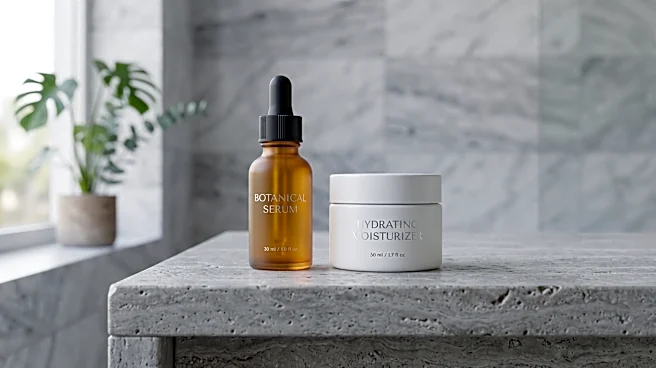
Glass skin describes a complexion that appears exceptionally smooth, clear, and well-hydrated, reflecting light evenly for a translucent glow. It does not imply a complete absence of pores or fine lines but rather an improvement in hydration, skin barrier support, and overall evenness. The core principles involve using gentle cleansers, appropriate moisturizers, and daily sunscreen to maintain the skin's protective layer. Avoiding excessive exfoliation and gradually introducing new active ingredients are also recommended to prevent irritation. Lifestyle factors such as adequate sleep, a balanced diet, and proper hydration are also highlighted as contributors to overall skin health. The routine emphasizes understanding individual skin needs and adapting care accordingly, rather than strictly adhering to a multi-step process.
Why It's Important?
This trend is significant as it shifts the focus in skincare from quick fixes and covering imperfections to long-term skin health and maintenance. By emphasizing hydration, barrier protection, and consistent care, it promotes a healthier perspective on beauty standards, encouraging individuals to work with their natural skin rather than striving for an unrealistic ideal. The popularity of the glass skin approach influences the beauty industry by driving demand for products rich in hydrating ingredients like hyaluronic acid, niacinamide, and ceramides. It also highlights the importance of sun protection as a daily essential, contributing to broader public awareness about skin health and anti-aging. For consumers, it offers a framework for building effective skincare routines that prioritize skin comfort and resilience, potentially reducing reliance on more aggressive treatments or excessive product use.
What's Next?
The continued popularity of the Korean glass skin trend suggests an ongoing demand for skincare products that support hydration, barrier function, and gentle exfoliation. Manufacturers are likely to continue innovating with ingredients like hyaluronic acid, niacinamide, and ceramides, developing new formulations that cater to diverse skin types and concerns. We may see an increased integration of professional treatments that align with the glass skin philosophy, focusing on deep hydration, gentle resurfacing, and skin barrier repair. Furthermore, as consumers become more educated about skincare ingredients and their benefits, there will likely be a sustained emphasis on personalized routines and products that can be tailored to individual needs, moving away from one-size-fits-all solutions. The trend also encourages a holistic view of skin health, integrating lifestyle factors more prominently into skincare discussions.
Beyond the Headlines
The glass skin trend reflects a broader cultural shift towards wellness and self-care, where beauty is increasingly linked to health and natural radiance rather than artificial perfection. Ethically, it promotes a more attainable and sustainable beauty standard by focusing on skin health rather than flawless appearance, potentially reducing pressure on individuals to conform to unrealistic ideals. Legally, the emphasis on specific ingredients like hyaluronic acid and niacinamide may lead to increased scrutiny and regulation of product claims within the beauty industry, ensuring transparency and efficacy. Culturally, it underscores the global influence of Korean beauty innovations, which have successfully integrated scientific advancements with traditional holistic approaches. This trend also highlights the growing consumer demand for informed choices, encouraging a deeper understanding of skincare science and ingredient functions.