



What's Happening?
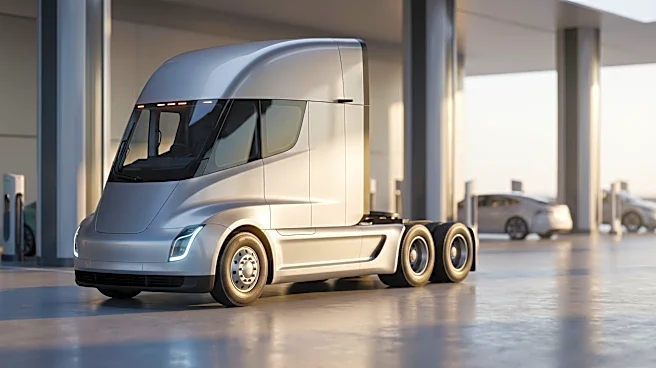
Windrose, an electric truck manufacturer, has made history by publishing the complete engineering files for its E700 Class 8 electric truck online, free of charge. This unprecedented move includes the CAD models for all 1,023 parts of the X9D01 base model.
According to Windrose founder and CEO Wen Han, this initiative aims to provide transparency and empower customers by allowing them to access detailed design and engineering information. The company states that service, repair, replacement parts, and modification of a Windrose vehicle can be done without fee, permission, or notification by owners, independent workshops, and parts manufacturers. This approach is intended to address concerns about parts supply and vehicle longevity, especially for new entrants in the electric vehicle market. While repair and modification are open, manufacturing new vehicles from these designs still requires an agreement with Windrose.
Why It's Important?
This open-source strategy by Windrose could significantly impact the U.S. commercial electric vehicle industry by setting a new standard for vehicle serviceability and customer empowerment. For fleet operators, it mitigates the risk of long-term parts availability, a common concern with newer manufacturers, by enabling independent production of components. This could lead to reduced maintenance costs and extended vehicle lifespans, making electric trucks a more attractive investment. The move also challenges traditional proprietary models in the automotive sector, potentially fostering a more competitive and innovative aftermarket for electric truck parts and services. This increased transparency and repairability could accelerate the adoption of electric heavy-duty vehicles in the U.S., contributing to environmental goals and reducing reliance on fossil fuels in the logistics sector.
What's Next?
The immediate next step will be observing how the market and competitors react to Windrose's open-source model. Other electric truck manufacturers may face pressure to adopt similar transparency measures, potentially leading to a broader shift in industry practices regarding intellectual property and repair rights. Customers and independent repair shops will likely begin to utilize these files, and their experiences will determine the practical success and influence of this initiative. Regulators in the U.S. might also take note, as this move aligns with the growing 'right to repair' movement, potentially influencing future legislation regarding access to repair information and parts in the automotive industry. The long-term impact will depend on the widespread adoption of this model and its effect on the competitive landscape and innovation within the electric vehicle market.
Beyond the Headlines
Beyond the immediate commercial implications, Windrose's open-source approach raises profound questions about intellectual property in an era of increasing technological complexity and environmental urgency. By making its designs publicly available, Windrose is not just selling a product but fostering an ecosystem of shared knowledge and collaborative maintenance. This could lead to a more resilient and sustainable transportation infrastructure, where vehicles are designed for longevity and repair rather than planned obsolescence. Ethically, it champions consumer rights and challenges the traditional power dynamics between manufacturers and users. Culturally, it could inspire a new wave of innovation, as independent engineers and small businesses gain the ability to contribute to and improve upon existing designs, potentially accelerating the evolution of electric vehicle technology and its integration into the U.S. economy.