






What's Happening?
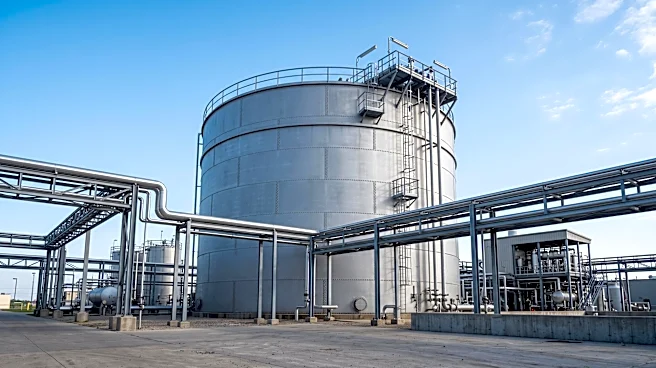
GROWMARK, Inc., an agricultural cooperative, has made a minority equity investment in Wabash Valley Resources (WVR). This investment facilitates the initial advance under WVR’s U.S. Department of Energy (DOE) loan, supporting the construction of a new
ammonia fertilizer facility in West Terre Haute, Indiana. The facility is designed to produce 500,000 metric tons of anhydrous ammonia annually, aiming to establish a significant new domestic fertilizer source for farmers across the Eastern Corn Belt. Commercial operations for the facility are projected to commence in 2029. Mark Orr, CEO of GROWMARK, stated that this investment will bring an independent source of ammonia closer to the farmers and cooperatives that rely on it, emphasizing its role as a long-term investment in reliable domestic supply and the competitiveness of their member-owners. Dan Williams, WVR’s CEO, highlighted GROWMARK’s investment as a pivotal milestone and a strong vote of confidence in independent ammonia production, moving closer to delivering American-made fertilizer.
Why It's Important?
This investment is crucial for enhancing the domestic supply chain of agricultural fertilizers in the United States, particularly for the Eastern Corn Belt. By establishing a new, independent source of anhydrous ammonia, the project aims to reduce reliance on foreign imports and mitigate the volatility often associated with global fertilizer markets. This increased domestic production capacity can lead to more stable and potentially lower input costs for U.S. farmers, thereby improving their economic competitiveness and food security. For GROWMARK's member-owners, primarily farmers and cooperatives, this means a more reliable and accessible supply of a critical crop nutrient, which is essential for maintaining agricultural productivity and profitability. The strategic importance of expanding fertilizer production near agricultural communities underscores a broader effort to strengthen the resilience of the U.S. agricultural sector against supply chain disruptions and geopolitical influences.
What's Next?
The immediate next steps involve the continued construction of the ammonia fertilizer facility in West Terre Haute, Indiana, with commercial operations anticipated to begin in 2029. WVR, with GROWMARK's support, will focus on safely building the facility and preparing for the delivery of American-made fertilizer to farmers. The U.S. Department of Energy's involvement through a loan further indicates a governmental interest in bolstering domestic energy and agricultural infrastructure. As the facility progresses towards its operational date, stakeholders will likely monitor its construction milestones and the eventual impact on fertilizer prices and availability in the region. The success of this project could also encourage similar investments in domestic agricultural input production, potentially leading to a more robust and self-sufficient U.S. agricultural supply chain in the long term.
Beyond the Headlines
This investment signifies a broader trend towards re-shoring critical industrial production and strengthening domestic supply chains, particularly in sectors vital for national security and economic stability like agriculture. The emphasis on 'American-made fertilizer' reflects a strategic shift to reduce vulnerabilities exposed by recent global events, such as supply chain disruptions and geopolitical tensions that can impact commodity prices. Ethically, this move could be seen as promoting greater self-reliance and stability for U.S. farmers, potentially insulating them from international market fluctuations. Environmentally, the project's long-term implications will depend on the production methods employed and their carbon footprint, though the focus on domestic production could also lead to more localized environmental oversight. Culturally, it reinforces the value of domestic industry and agricultural independence, resonating with a desire for national resilience and economic sovereignty.