







What's Happening?
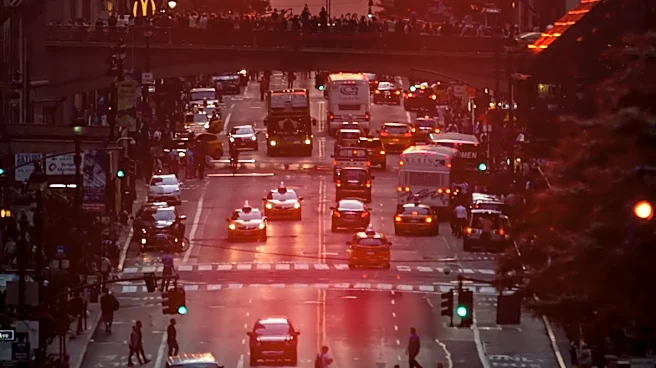
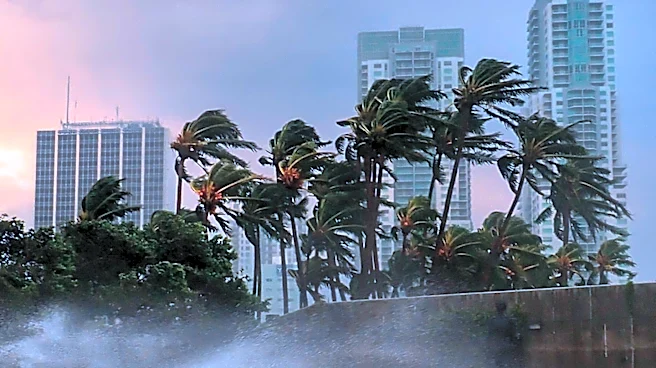
Insurance professionals are emphasizing the importance of grassroots conversations to enhance urban hurricane preparedness, particularly in areas like New York City that are not traditionally associated with hurricane risk. According to Cotality's 2026
Hurricane Risk Report, the New York metro area ranks first nationally in residential storm surge exposure, with 631,619 properties at risk, representing $329 billion in Reconstruction Cost Value. Despite this, many properties lie outside traditional FEMA flood zones, leaving residents unaware of their vulnerability. Insurance experts are advocating for proactive engagement with policyholders to address these risks, suggesting that informed discussions can lead to better preparedness and potentially significant cost savings during hurricane seasons.
Why It's Important?
The push for increased urban hurricane preparedness is crucial as climate change continues to alter weather patterns, making areas previously considered safe more susceptible to severe weather events. The financial implications are significant, with billions of dollars in property at risk. By fostering a proactive approach, insurance companies can not only protect their bottom line but also enhance community resilience. This shift from a reactive to a proactive stance in risk management can lead to more informed policyholders who are better equipped to handle potential disasters, ultimately reducing the economic and social impact of hurricanes on urban areas.
What's Next?
Insurance companies are likely to continue developing strategies to engage with policyholders more effectively, focusing on education and risk awareness. This may involve training frontline staff to identify and communicate potential risks and mitigation strategies during routine interactions. Additionally, there may be an increased emphasis on forming partnerships with emergency remediation networks to ensure rapid response capabilities. As urban areas continue to grow and climate risks evolve, the insurance industry will need to adapt its approaches to risk management and customer engagement to maintain resilience and minimize losses.
Beyond the Headlines
The emphasis on grassroots conversations highlights a broader trend in the insurance industry towards personalized customer interactions and data-driven decision-making. By leveraging climate and property data, insurance companies can tailor their services to meet the specific needs of urban policyholders. This approach not only enhances customer trust but also opens up new opportunities for coverage and risk management solutions. As the industry continues to evolve, the integration of technology and data analytics will play a critical role in shaping the future of urban disaster preparedness.