
What's Happening?
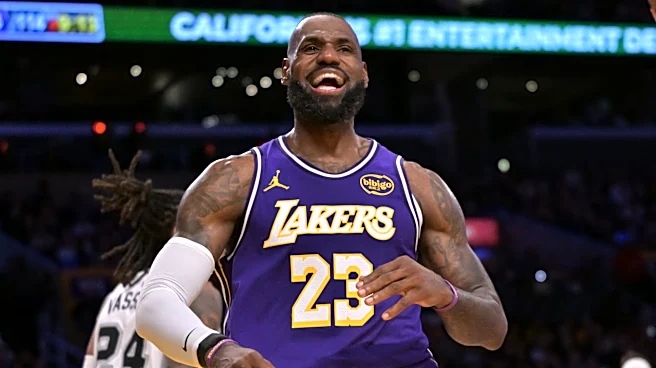
In 2014, during the NBA Finals, LeBron James suffered severe cramps in a game where the air conditioning was broken. Following this, Gatorade, an official NBA sponsor, posted a sarcastic tweet implying
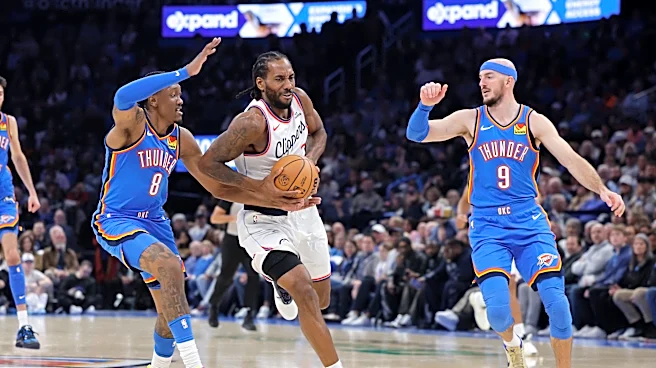
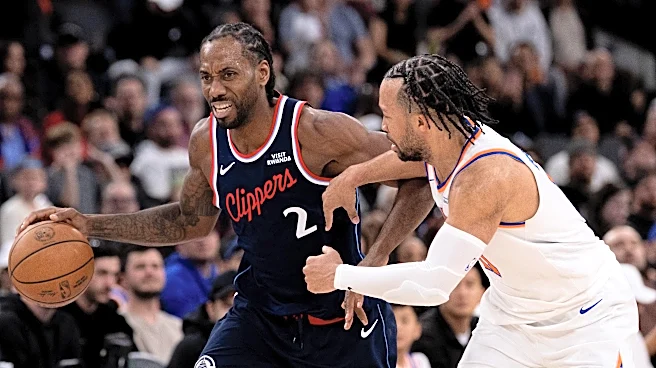
James did not use their product. At the time, James was the face of Powerade, a Coca-Cola brand. Although Gatorade deleted the tweet and apologized, the incident initiated a trend among NBA players. Since then, James has consistently removed Gatorade labels from bottles during post-game interviews. This act highlighted a growing conflict between league-wide sponsorships and individual athletes' personal endorsement deals. The 'boycott' of mandatory sponsor products became widespread in the NBA, with players like Klay Thompson, Kawhi Leonard, and Stephen Curry also visibly distancing themselves from Gatorade products during media appearances.
Why It's Important?
This trend, initiated by LeBron James, underscores a significant power shift in sports marketing, where the individual branding and personal endorsements of superstar athletes increasingly challenge traditional league-wide sponsorship agreements. For U.S. sports leagues like the NBA, which rely heavily on sponsor revenue, this presents a complex dilemma. While league sponsorships inject millions into the sport, athletes' personal contracts, often more lucrative, lead them to prioritize their own brand affiliations. This conflict can dilute the effectiveness of official sponsorships and potentially impact the financial models of sports organizations. The athletes' actions also raise questions about product authenticity and health, as some players, like Kawhi Leonard, have publicly questioned the suitability of certain sponsored products for young fans, adding a layer of ethical consideration to commercial endorsements.
What's Next?
The ongoing tension between athlete personal branding and league sponsorships is likely to continue evolving. Sports leagues and their official sponsors may need to re-evaluate their strategies to ensure their investments yield the desired visibility and brand association. This could involve more flexible sponsorship agreements, co-branding opportunities with individual athletes, or stricter enforcement of media appearance guidelines. Athletes, in turn, will likely continue to leverage their immense influence to protect and grow their personal brands, potentially leading to more creative ways to navigate mandatory sponsor appearances without directly endorsing competing products. The incident also sets a precedent for other sports, as seen with Kylian Mbappé and Cristiano Ronaldo in international soccer, indicating a global shift in athlete-sponsor dynamics.
Beyond the Headlines
The 'rebellion' against mandatory sponsorships, spearheaded by LeBron James, delves into deeper implications concerning athlete autonomy, brand control, and the commercialization of sports. It highlights the ethical considerations of athletes being compelled to promote products that may not align with their personal values or health philosophies. This movement challenges the traditional model where leagues dictate endorsement visibility, empowering athletes to assert more control over their public image and commercial associations. It also reflects a broader cultural shift where consumers are increasingly discerning about product endorsements, valuing authenticity and personal conviction over generic corporate sponsorships. This could lead to a future where athlete endorsements are more curated and aligned with their personal brands, potentially fostering greater trust with their audience but also creating more friction with league-level commercial partners.