

What's Happening?
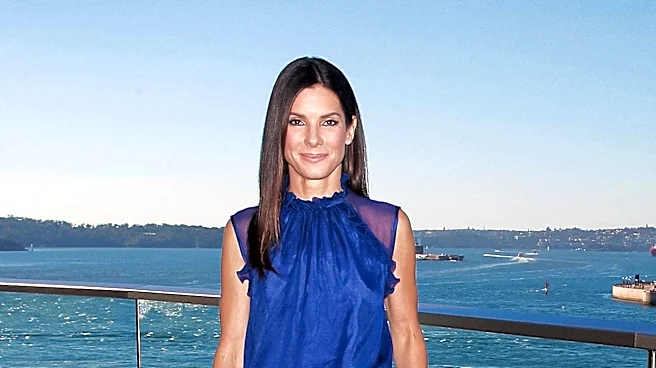
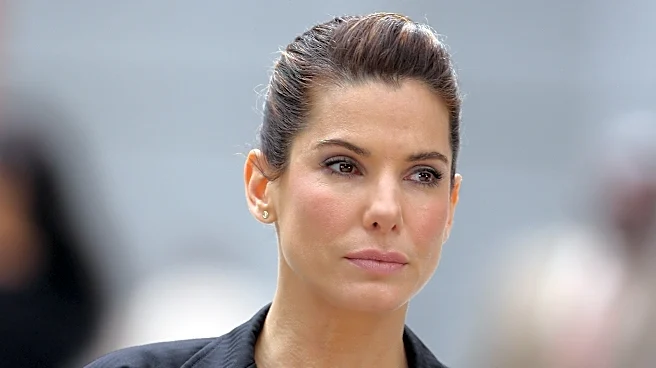
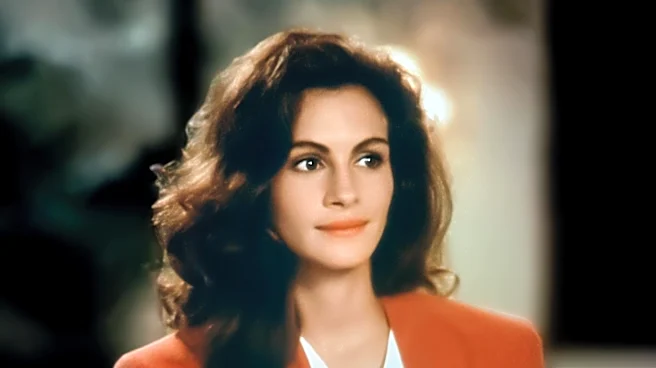
In 2009, actress Julia Roberts was initially slated to play Leigh Anne Tuohy in the film 'The Blind Side,' a role that ultimately earned Sandra Bullock an Academy Award for Best Actress. According to Leigh Anne Tuohy in a 2020 interview with Desert News,
Roberts was 'locked and loaded' for the part, but scheduling conflicts prevented her from taking it. The role later went to Sandra Bullock after Reese Witherspoon also passed on the opportunity. The film, which tells the story of a white Christian woman adopting a Black teenager who becomes an NFL star, became a blockbuster. However, the movie has since faced criticism for its 'white savior' narrative, and in 2023, Michael Oher, the subject of the film, claimed he was never legally adopted and that the Tuohy family profited from his story through a conservatorship.
Why It's Important?
Julia Roberts' decision not to take on the role in 'The Blind Side' inadvertently shielded her from the significant controversy that later engulfed the film. While the movie was a commercial success and garnered an Oscar for its lead actress, the subsequent revelations from Michael Oher regarding his conservatorship and the family's alleged financial gain have cast a shadow over its legacy. For Roberts, who has maintained a carefully cultivated public image as 'America’s sweetheart,' avoiding a role now viewed by many as problematic could be seen as a fortunate turn of events. This situation highlights the long-term impact of creative choices and the evolving public perception of narratives, particularly those involving sensitive social issues and real-life individuals.
What's Next?
The controversy surrounding 'The Blind Side' and Michael Oher's claims continues to fuel discussions about the ethics of biographical films and the portrayal of real-life stories. While there are no immediate next steps for Julia Roberts concerning this past role, the ongoing dialogue may influence future casting decisions and film productions, particularly those based on true events. Filmmakers and actors may become more cautious about the narratives they choose to support, especially when there are potential ethical ambiguities or power imbalances involved. The incident also underscores the importance of thorough due diligence and sensitivity in adapting real-life stories for the screen.
Beyond the Headlines
The 'The Blind Side' controversy extends beyond a single film, touching upon broader themes of representation, exploitation, and the 'white savior' trope in Hollywood. Julia Roberts' near-involvement serves as a case study in how an actor's career can be shaped by roles taken and roles declined, sometimes with unforeseen long-term consequences for their public image and legacy. The incident also raises questions about the responsibilities of those who portray real individuals and the potential for films to inadvertently perpetuate harmful stereotypes or misrepresent complex personal histories. The evolving public discourse around such issues suggests a growing demand for more authentic and ethically sound storytelling in the entertainment industry.