





What's Happening?
Travel + Leisure Co. and Wyndham Hotels & Resorts have announced an expanded partnership to develop and scale hotels under the Sports Illustrated Resorts brand. This collaboration aims to integrate the Sports Illustrated brand into the traditional hotel space,
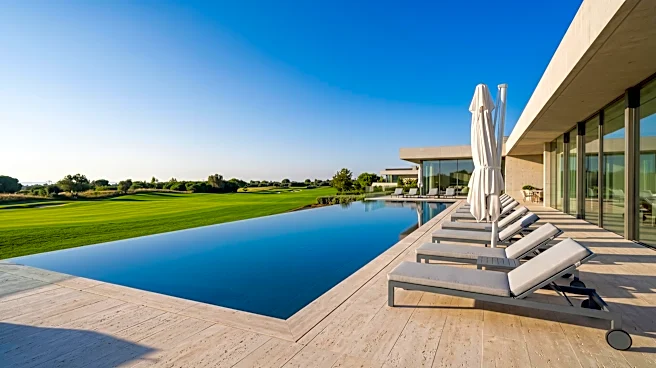
offering a differentiated model that combines Travel + Leisure Co.'s brand stewardship and mixed-use development expertise with Wyndham's global scale and commercial infrastructure. The Sports Illustrated Resorts platform, initially introduced by Travel + Leisure Co. in 2023, encompasses various hospitality, vacation ownership, and residential offerings in sports-focused destinations. The partnership will allow for flexible development options, ranging from hotel-only projects to larger mixed-use destinations. Wyndham will utilize its extensive network to identify potential development partners and asset owners as Travel + Leisure Co. expands the business. This move builds on a long-standing relationship between the two companies, which also extends to Travel + Leisure Co.'s vacation club brands like Club Wyndham, Margaritaville Vacation Club, and Eddie Bauer Adventure Club, all connected through Wyndham Rewards.
Why It's Important?
This expanded partnership signifies a strategic move to capitalize on the growing sports tourism sector and the enduring appeal of the Sports Illustrated brand. By bringing Sports Illustrated Resorts into the traditional hotel market, Travel + Leisure Co. and Wyndham are tapping into a new segment of travelers seeking immersive, sports-centric experiences. This initiative could create significant economic opportunities for developers and asset owners looking to invest in high-yield hospitality ventures. The collaboration leverages the strengths of both companies: Travel + Leisure Co.'s expertise in lifestyle branding and mixed-use development, and Wyndham's vast hotel franchising network and distribution capabilities. The integration with Wyndham Rewards, a loyalty program with over 126 million members, is expected to drive engagement and long-term value across their portfolios. This development could also set a precedent for how other major lifestyle brands enter the hospitality sector, potentially leading to more themed hotel experiences and diversifying the offerings available to U.S. consumers.
What's Next?
The partnership establishes a framework for building, operating, and scaling hotels under the Sports Illustrated Resorts brand. Several destinations are already underway, including Sports Illustrated Resorts Nashville, which is currently welcoming owners and guests. Additional locations are planned for Chicago, Baton Rouge, and Tuscaloosa. Chicago is in its "preseason era," with full brand offerings expected in early 2027. Baton Rouge, which will feature a hotel component, is slated for a phased opening later in 2027, and Tuscaloosa, the brand's first ground-up resort, is anticipated to open in 2028. These upcoming openings will serve as initial tests of the expanded model and will provide insights into market reception and operational efficiency. The companies will continue to identify development partners and asset owners, indicating a sustained effort to grow the Sports Illustrated Resorts footprint across the U.S. and potentially beyond. Future developments will likely focus on creating unique experiences, distinctive programming, and premier sports-centric events to attract travelers.
Beyond the Headlines
This collaboration highlights a broader trend in the travel and hospitality industry: the convergence of lifestyle brands with traditional lodging. The Sports Illustrated brand, with its nearly 70-year legacy in sports, culture, and entertainment, offers a powerful identity that can attract a dedicated customer base. This move goes beyond simply licensing a name; it aims to create immersive destinations that resonate with sports enthusiasts and offer unique experiences. The flexibility in development models, from hotel-only to mixed-use, suggests an adaptive strategy to cater to diverse market needs and investment opportunities. This could lead to a redefinition of what a "hotel" can be, moving towards more experiential and themed accommodations. Furthermore, the emphasis on sports tourism reflects a growing consumer demand for travel that combines leisure with specific interests, potentially influencing future development in other niche markets within the hospitality sector. The success of this venture could encourage other media and lifestyle brands to explore similar partnerships, further blurring the lines between entertainment, retail, and hospitality.