




What's Happening?
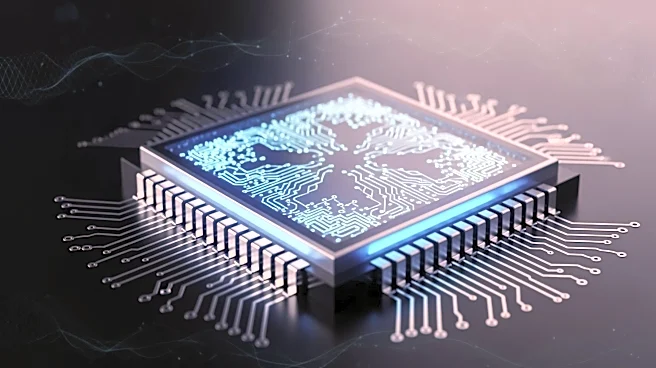
Intel has announced the initial production of its 18A-P process node, a more powerful version of its 18A chip architecture. This development marks a significant milestone in Intel's ongoing efforts to revitalize its business and compete with the world's
largest chip manufacturer, TSMC. The 18A-P node is designed to enhance performance and efficiency, and it will eventually enter high-volume manufacturing. This move is part of Intel's broader strategy to expand its foundry business and attract more customers, positioning itself as a formidable competitor in the semiconductor industry.
Why It's Important?
The production of the 18A-P chip is crucial for Intel as it seeks to regain its competitive edge in the semiconductor market. By advancing its chip technology, Intel aims to challenge TSMC's dominance and capture a larger share of the market. This development could have significant implications for the U.S. technology sector, potentially boosting domestic chip manufacturing capabilities and reducing reliance on foreign suppliers. The success of Intel's strategy could also influence the global semiconductor supply chain and impact pricing and availability of chips for various industries.
What's Next?
Intel plans to transition the 18A-P node into high-volume manufacturing, which will be critical for its competitiveness. The company will likely focus on building a robust customer base for its foundry services, aiming to attract clients who currently rely on TSMC. As Intel progresses with its production plans, industry stakeholders will be watching closely to assess the impact on market dynamics and potential shifts in supply chain dependencies.