







What's Happening?
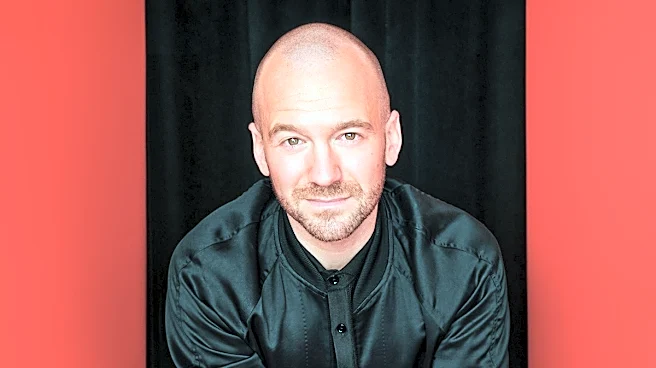
Mike Israetel, a fitness influencer and YouTube personality, recently discussed the challenges of dealing with internet criticism and the nature of celebrity workout videos. In a conversation on 'Strong Talk,' Israetel reflected on his past approach to
critiquing celebrity fitness routines, acknowledging that some of his earlier content may have been disrespectful. He noted that while some celebrity workouts might lack scientific rigor, they can still inspire people to engage in fitness. Israetel also shared his experiences with internet hate, explaining that he often receives negative comments and messages. He emphasized the importance of context, noting that many criticisms stem from out-of-context clips of his content. Israetel highlighted the need for a balanced approach to fitness, where the trainer's style matches the client's needs, whether scientific or artistic.
Why It's Important?
The discussion sheds light on the broader issue of how fitness content is consumed and critiqued online. Israetel's reflections highlight the impact of internet culture on public figures, particularly in the fitness industry, where influencers often face intense scrutiny. The conversation also underscores the role of celebrity workouts in popularizing fitness, despite potential shortcomings in their scientific basis. This dynamic affects how fitness is marketed and perceived by the public, influencing consumer behavior and expectations. The dialogue between scientific and artistic approaches to fitness training reflects a broader debate within the industry about the best methods to achieve health and wellness goals.
What's Next?
As fitness influencers continue to navigate the challenges of online criticism, there may be a shift towards more nuanced and context-rich content. This could involve influencers providing more comprehensive explanations of their fitness philosophies and addressing misconceptions directly. Additionally, the fitness industry might see a growing emphasis on personalized training approaches that cater to individual client needs, balancing scientific rigor with motivational elements. The ongoing dialogue about the role of celebrity workouts could lead to more informed consumer choices and a greater appreciation for evidence-based fitness practices.
Beyond the Headlines
The conversation touches on deeper issues related to the dehumanization of public figures and the ethical considerations of critiquing others online. Israetel's acknowledgment of his past behavior highlights the potential for personal growth and the importance of empathy in public discourse. The discussion also raises questions about the responsibility of influencers to provide accurate and respectful content, as well as the role of media platforms in shaping public perceptions of fitness and health.