





What's Happening?
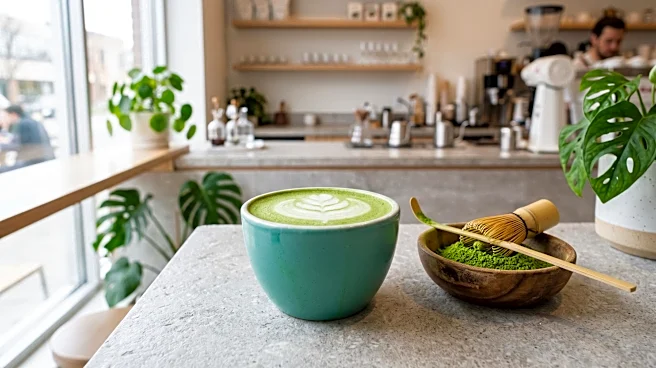
David Rio, a San Francisco-based chai and tea supplier, has launched a new brand called Matcha Rio, featuring three distinct matcha blends designed for cafes. The new line aims to cater to the diverse and evolving demands of consumers for matcha beverages.
The three blends are Barista Blend, Frappe Blend, and Super Blend. The Barista Blend is an unsweetened, premium matcha sourced from Japan's Kagoshima region, offering baristas creative control for various hot or cold drinks, high-end specialty beverages, mocktails, and even matcha-themed baked goods. The Frappe Blend is specifically formulated for iced and blended drinks, providing a smooth mouthfeel and balanced flavor. The Super Blend combines matcha with functional ingredients such as chlorella, moringa, and wheatgrass, and is lightly sweetened with agave, targeting the growing demand for wellness-focused beverages. This strategic launch by David Rio seeks to provide operators with versatile options to meet different customer preferences and preparation needs.
Why It's Important?
The introduction of David Rio's Matcha Rio line signifies a significant development in the U.S. beverage industry, particularly within the cafe sector. This move addresses the increasing consumer interest in matcha, which extends beyond traditional hot lattes to include iced, blended, and functional wellness drinks. By offering three specialized blends, David Rio is enabling cafes to diversify their menus and cater to a broader customer base, potentially increasing sales and customer satisfaction. The Barista Blend allows for premium, customizable creations, appealing to specialty coffee shops. The Frappe Blend simplifies the preparation of consistent iced and frozen matcha drinks, which are popular, especially among younger demographics. The Super Blend taps into the booming health and wellness market, providing an option for consumers seeking functional benefits from their beverages. This product line could set a new standard for matcha offerings in cafes, influencing other suppliers to develop more specialized matcha products and further integrating matcha into mainstream U.S. cafe culture.
What's Next?
Cafes across the U.S. are expected to begin integrating the new Matcha Rio blends into their menus. David Rio anticipates that while some cafes may opt for a single blend, many will find value in offering all three to serve distinct purposes and customer preferences. The company aims to make preparation approachable for operators, ensuring high-grade Japanese matcha flavor and a consistent customer experience across all products. This launch could lead to increased competition in the matcha supply market, potentially prompting other suppliers to innovate and expand their own matcha product lines. Consumers can look forward to a wider variety of matcha-based drinks in cafes, ranging from traditional lattes to health-conscious options and creative blended beverages. The success of Matcha Rio will likely be measured by its adoption rate among cafes and its ability to meet the evolving demands of the U.S. matcha market.
Beyond the Headlines
The launch of Matcha Rio reflects a broader trend in the U.S. food and beverage industry towards specialization and functional ingredients. As consumers become more health-conscious and discerning, there is a growing demand for products that offer specific benefits or cater to particular dietary preferences. Matcha, with its perceived health benefits and unique flavor profile, is well-positioned to capitalize on this trend. David Rio's approach of creating distinct blends for different applications highlights a strategic understanding of market segmentation and consumer behavior. This move could also influence how other traditional beverage ingredients are marketed and developed, pushing for more tailored solutions for various consumption occasions. Furthermore, the emphasis on authentic Japanese perspective and craftsmanship in the Matcha Rio brand underscores a cultural appreciation that resonates with consumers seeking genuine and high-quality products, potentially fostering a deeper connection to the origins of such ingredients.