






What's Happening?
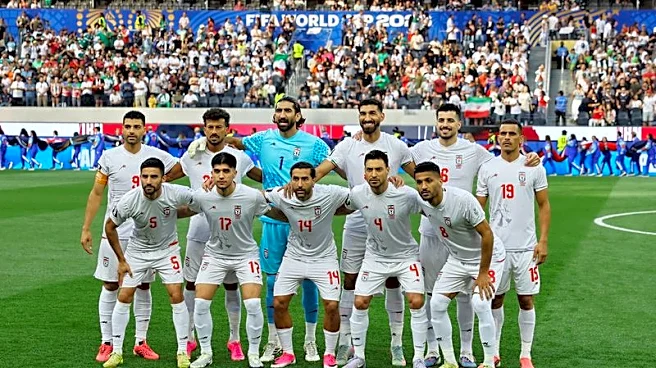
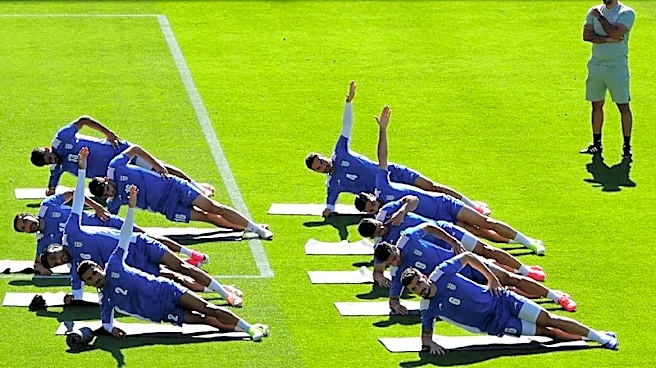
The Iranian national soccer team is currently based in Tijuana, Mexico, for the World Cup due to complications arising from geopolitical tensions. Originally set to be based in Tucson, Arizona, the team had to relocate after the outbreak of war, which
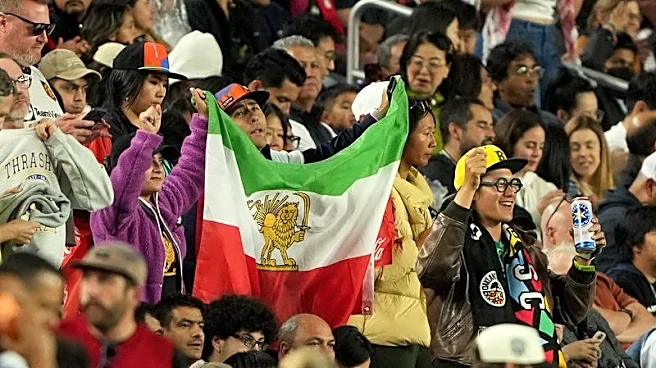
also resulted in the denial of U.S. visas for eleven team officials and staff. The U.S. has imposed restrictions on the team's movements, including denying requests to arrive two days before matches and requiring immediate departure post-game. Despite these challenges, the team remains focused, with fans from various parts of the U.S. and Mexico showing support. The Iranian Football Federation has expressed concerns over these restrictions, indicating plans to lodge a complaint with FIFA.
Why It's Important?
The situation highlights the intersection of sports and international politics, where geopolitical tensions can impact sporting events and the athletes involved. The restrictions placed on the Iranian team could affect their performance, both psychologically and physically, as they navigate these challenges. This scenario underscores the broader implications of political decisions on international sports, potentially affecting diplomatic relations and the spirit of global sporting events. The support from fans, despite the political backdrop, reflects the unifying power of sports, yet also the divisive nature of international politics.
What's Next?
The Iranian Football Federation's intention to file a complaint with FIFA could lead to further discussions on the role of politics in sports. The outcome of these discussions might influence future policies regarding international sporting events and the treatment of teams from politically sensitive regions. Additionally, the team's performance in upcoming matches will be closely watched, as it may be impacted by the ongoing challenges. The response from FIFA and other international bodies could set precedents for how similar situations are handled in the future.
Beyond the Headlines
This situation raises questions about the ethical responsibilities of host countries and international sports organizations in ensuring fair play and equal treatment for all teams, regardless of political tensions. It also highlights the potential for sports to serve as a platform for political expression and the challenges that arise when political issues infiltrate the sporting arena. The Iranian team's experience may prompt broader discussions on how to protect the integrity of sports from external political influences.