



What's Happening?
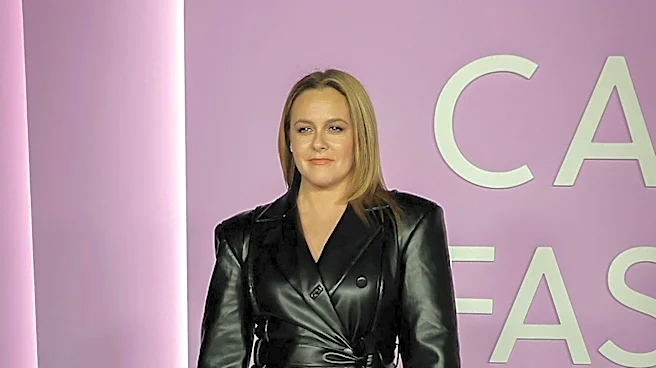
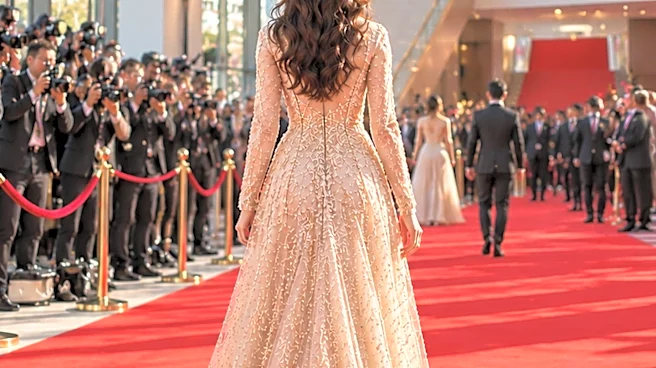
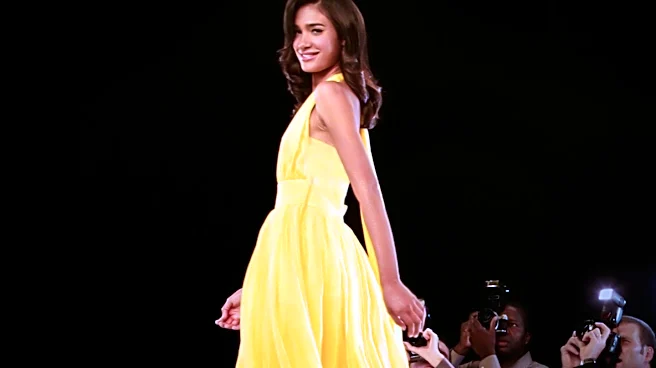
New York Fashion Week (NYFW) operates on a bi-annual schedule, presenting Fall/Winter collections in February and Spring/Summer collections in September across various locations in New York City. The Council of Fashion Designers of America (CFDA) is responsible
for managing the official calendar, which includes dates, designer lineups, and showtimes. Independent designers aiming to participate in NYFW must apply to the CFDA schedule months in advance, typically before a May deadline. The shows are not confined to a single venue but are scattered across neighborhoods such as Tribeca, the Meatpacking District, Chelsea, and Brooklyn. This decentralized approach requires designers and attendees to track specific dates, times, and locations to navigate the event effectively. Securing a spot on the official calendar often involves partnering with independent producers who handle logistics like lighting, venue spaces, special effects, and guest management.
Why It's Important?
The structured, bi-annual schedule and decentralized venue approach of NYFW are crucial for the U.S. fashion industry. This framework provides a consistent platform for both established and emerging designers to showcase their collections, driving trends and influencing global fashion. For independent designers, understanding and strategically navigating the CFDA calendar and venue distribution is vital for visibility and career advancement. The scattered locations across diverse neighborhoods contribute to the city's economic activity, benefiting local businesses and hospitality sectors. The emphasis on networking and strategic positioning, such as aligning show times and venues with target audiences, underscores the competitive nature of the industry and the need for a well-thought-out strategy to achieve success and stand out in a crowded market.
What's Next?
Designers and industry professionals will continue to monitor the CFDA calendar for upcoming NYFW editions, planning their collections and logistical arrangements well in advance. The ongoing trend of decentralized venues suggests that future NYFW events will likely maintain this multi-location format, requiring continued vigilance from attendees and participants regarding schedules and locations. Independent designers will need to focus on building relationships with show producers and submitting timely applications to secure their place on the official calendar. The evolution of fashion trends, such as the increasing focus on sustainability and diversity, will likely influence future show content and presentation strategies, as designers aim to connect with a broader and more conscious audience.
Beyond the Headlines
The operational structure of NYFW reflects broader shifts in the fashion industry, moving towards more inclusive and accessible platforms. The decentralized venues, while logistically challenging, allow for a wider engagement with different parts of New York City, potentially fostering local creative economies. The emphasis on independent designers and strategic networking highlights the evolving landscape where direct engagement and brand storytelling are as important as the designs themselves. This approach also underscores the cultural significance of NYFW as a melting pot of creativity, where diverse voices and styles converge, influencing not just fashion but also broader cultural narratives around identity, sustainability, and artistic expression. The event serves as a significant cultural touchstone, reflecting and shaping contemporary American aesthetics.