








What's Happening?
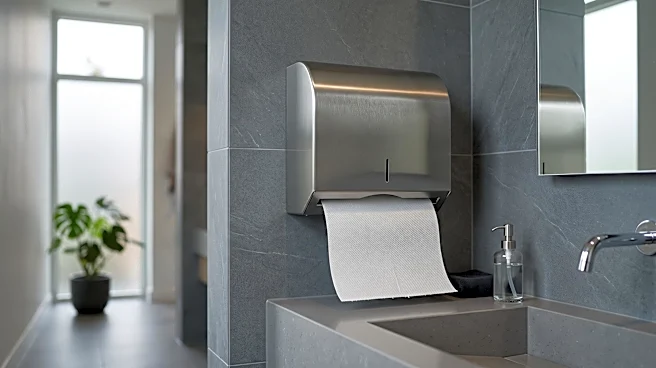
Interhasa has published a guide comparing roll and folded paper towel dispensers, focusing on factors relevant to commercial facilities. The guide highlights differences in storage capacity, refilling frequency, dispensing methods, and overall operational
costs. Roll dispensers, which hold a continuous length of paper, are often suitable for high-traffic areas due to their larger capacity and reduced refill frequency. In contrast, folded sheet dispensers provide individual sheets, which can be preferred in settings where users value single-sheet access. The comparison also delves into paper cost, waste control, supply compatibility, and the importance of matching the dispenser type to the specific needs of offices, hotels, and public facilities. The guide emphasizes that neither format automatically uses less paper or requires less maintenance, urging facility managers to consider actual usage and operational costs rather than just initial purchase price. It also touches upon manual, mechanical, and sensor dispensing options, as well as maintenance considerations like jam prevention and cleaning.
Why It's Important?
This comparison is important for U.S. businesses and facility managers as it provides a detailed framework for making informed decisions about paper towel dispenser systems. Choosing the right dispenser can significantly impact operational efficiency, cost management, and user satisfaction in various commercial environments, including offices, hotels, and public facilities. Incorrect choices can lead to increased waste, higher labor costs for frequent refilling and maintenance, and potential user complaints. The guide's emphasis on factors like paper cost per usable portion, waste control, and supply compatibility directly affects a business's bottom line. Furthermore, considerations for accessibility, such as compliance with the 2010 ADA Standards for Accessible Design, are crucial for U.S. businesses to ensure inclusivity and avoid potential legal issues. By optimizing their paper towel dispensing systems, businesses can enhance hygiene standards, reduce environmental impact through better waste control, and improve the overall experience for employees and customers.
What's Next?
Facility managers and procurement teams in the U.S. are likely to use this type of guide to re-evaluate their current paper towel dispensing systems or inform decisions for new installations. The insights provided by Interhasa will prompt a closer examination of factors beyond initial purchase price, such as long-term operational costs, maintenance requirements, and user experience. Businesses may conduct internal audits of paper usage and refill frequencies to determine the most cost-effective and efficient dispenser type for their specific needs. Suppliers and manufacturers of paper towel dispensers may also leverage such comparisons to highlight the advantages of their products and tailor their offerings to meet the nuanced demands of different commercial sectors. This could lead to a greater emphasis on smart, efficient, and compliant dispensing solutions in the U.S. market, potentially driving innovation in dispenser technology and paper product design.
Beyond the Headlines
Beyond the immediate practicalities of cost and efficiency, the choice of paper towel dispensers reflects broader trends in sustainability and public health within the U.S. commercial sector. The discussion around waste control and individual-sheet dispensing aligns with growing environmental consciousness and efforts to reduce consumption. In a post-pandemic world, hygiene and touchless solutions have gained increased importance, making sensor-operated dispensers more appealing. The guide implicitly encourages a more data-driven approach to facility management, moving beyond anecdotal evidence to track actual consumption and labor costs. This shift towards evidence-based decision-making can lead to more sustainable practices and better resource allocation. Furthermore, the mention of ADA compliance underscores the ongoing commitment to accessibility in public and commercial spaces, highlighting the legal and ethical dimensions of facility design and management in the U.S.