







What's Happening?
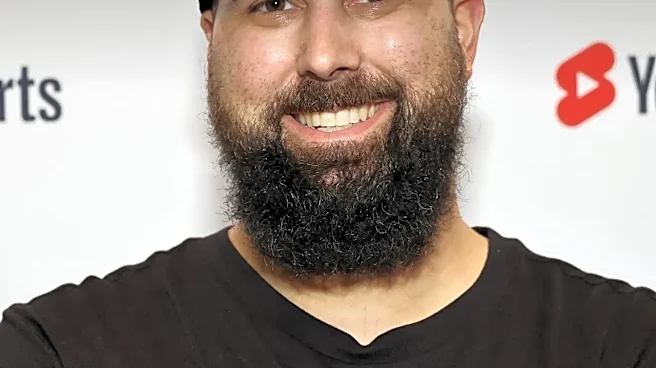
Vishal Garg, founder of Better Home & Finance Holding Company (NASDAQ: BETR), and the Garg Group have successfully reconstituted the company's Board of Directors. An independent inspector of election confirmed that shareholders representing 52.02% of the outstanding
voting power supported removing all five incumbent directors, including Chairman Harit Talwar and Interim CEO Daniel Lewis. Following this, the Board's size was reduced from nine to five seats. Mr. Garg, as the sole remaining director, appointed Bing Gordon, Steven Sarracino, and two current company employees to the Board. This move aligns with the Garg Group's commitment to bring experienced technology and growth investors to the leadership. The company is also taking steps to remove its stockholder rights plan (poison pill) and dismiss outstanding litigation against Garg in the U.S. District Court for the Southern District of New York. An interim CEO candidate has been identified, with an announcement pending the finalization of engagement documentation. These actions are part of the Garg Group's 90-day plan focusing on operational efficiency, growth through AI and home equity lending, non-core asset sales, and returning capital to shareholders.
Why It's Important?
This leadership change at Better Home & Finance Holding Company signifies a major shift in governance and strategic direction for a prominent AI-native mortgage and home equity finance platform. The successful proxy dispute, which saw a founder regain control against significant odds, highlights the power of shareholder activism and the potential for rapid corporate restructuring in the fintech sector. The appointment of tech veterans like Bing Gordon, co-founder of Electronic Arts and former Amazon advisor, and Steven Sarracino, founder of Activant Capital, indicates a strong push towards leveraging AI and technology to enhance the company's offerings. This could lead to increased innovation in the U.S. mortgage market, potentially making homeownership more accessible and efficient for consumers through advanced AI platforms like Tinman® and Betsy™. The focus on operational efficiency and home equity lending also suggests a strategic adaptation to evolving market conditions, aiming to create lasting value for shareholders and improve customer experience in the competitive financial services landscape.
What's Next?
Better Home & Finance is set to launch "Better 2.0," focusing on rebuilding trust through transparency, execution, and clear results over the next 90 days and beyond. The company will finalize the engagement of an interim CEO, with an announcement expected once documentation is complete. Further actions include the removal of the company's stockholder rights plan and the dismissal of federal litigation against Vishal Garg. Operationally, the company plans to enhance its Tinman AI platform, expand home equity lending, sell non-core assets, and return capital to shareholders. The new Board, with its emphasis on technology and growth investors, will guide these initiatives. The market will be watching for the impact of these changes on the company's performance, particularly its ability to achieve its mission of making homeownership cheaper, faster, and easier for Americans, and how its AI-driven mortgage offerings will evolve.
Beyond the Headlines
The successful ousting of incumbent directors by a founder in a corporate proxy dispute, especially with a 50-to-1 odds against success, sets a precedent for shareholder influence in publicly traded companies. This event underscores the increasing scrutiny on corporate governance and the demand for accountability from leadership, particularly in the fast-evolving fintech industry. The emphasis on AI-native platforms like Tinman® and Betsy™ for mortgage and home equity finance points to a broader trend of technological disruption in traditional financial services. This shift could lead to ethical considerations regarding data privacy, algorithmic bias in lending decisions, and the displacement of human roles in the mortgage process. The long-term success of "Better 2.0" will not only depend on financial performance but also on its ability to navigate these ethical and societal implications while maintaining consumer trust and regulatory compliance.