






What's Happening?
Studio apartment design is increasingly focusing on open-concept living, maximizing space through smart storage solutions and high ceilings. These designs often incorporate eclectic styles that reflect the owner's personality, utilizing trusted brand
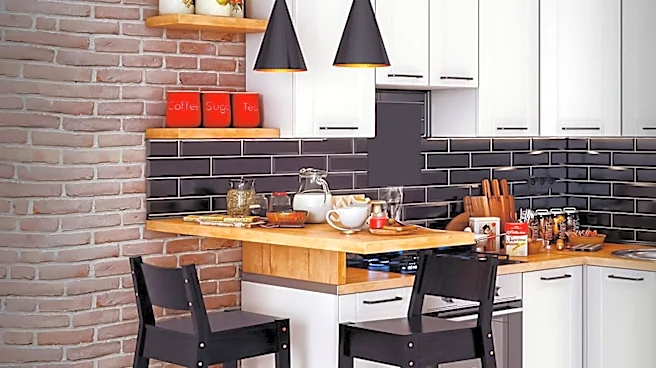
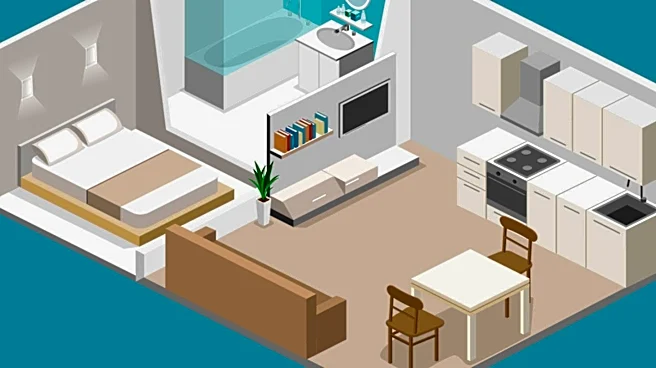
products. Modern studios, particularly those in industrial settings, frequently preserve original architectural elements like exposed brick and factory-style windows, while integrating upscale finishes such as quartz countertops and stainless steel appliances. Color palettes for these compact living spaces typically feature sophisticated and calming tones, including warm greige, cognac, terracotta, and beige. The core idea is to create functional yet aesthetically pleasing environments that make the most of limited square footage. Multifunctional furniture and clever room dividers, such as bookshelves, are commonly employed to delineate distinct zones within the open layout, maintaining a sense of spaciousness.
Why It's Important?
The emphasis on efficient and aesthetically pleasing studio apartment design is important for the U.S. housing market, particularly in urban areas where space is at a premium and housing costs are rising. This trend caters to a growing demographic of individuals, including young professionals, students, and minimalists, who prioritize affordability and convenience over expansive living areas. By optimizing small spaces, these designs can make urban living more accessible and sustainable. The integration of high-quality finishes and smart solutions also elevates the perception of studio living, moving it beyond a purely budget-driven choice to a lifestyle preference. This approach can influence real estate development, encouraging more innovative and compact housing solutions, and potentially impacting rental and purchase markets by offering attractive options for single occupants or couples seeking efficient urban dwellings.
What's Next?
The trend towards optimized studio apartment design is likely to continue evolving with advancements in smart home technology and modular furniture. We can anticipate further innovations in space-saving solutions, such as integrated wall beds, transforming tables, and hidden storage compartments, becoming standard features. Developers may increasingly incorporate these design principles into new construction projects, particularly in high-density urban centers, to meet the demand for affordable and functional living spaces. The market may also see a rise in specialized interior design services catering specifically to small-space living, offering bespoke solutions for studio apartment dwellers. Additionally, as remote work remains prevalent, studios might integrate more dedicated, yet discreet, home office setups, further blurring the lines between living, sleeping, and working areas within a single room.
Beyond the Headlines
Beyond the immediate practicalities, the evolution of studio apartment design reflects broader societal shifts towards minimalism, sustainability, and urban living. The focus on efficiency and thoughtful design in smaller spaces challenges traditional notions of home size and ownership, promoting a 'less is more' philosophy. This can have cultural implications, encouraging a re-evaluation of consumerism and material possessions. Ethically, well-designed studios can offer dignified and comfortable living options for individuals who might otherwise struggle to find affordable housing in desirable locations. Legally, zoning laws and building codes may need to adapt to accommodate more innovative and compact housing types, potentially influencing urban planning and development policies. The long-term shift could lead to more diverse housing portfolios in cities, fostering greater accessibility and potentially reducing urban sprawl.