


What's Happening?
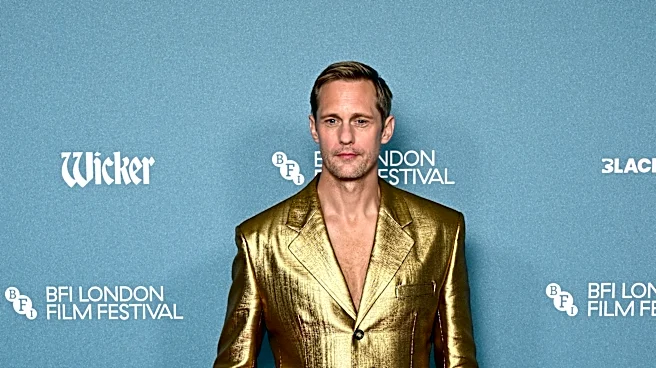
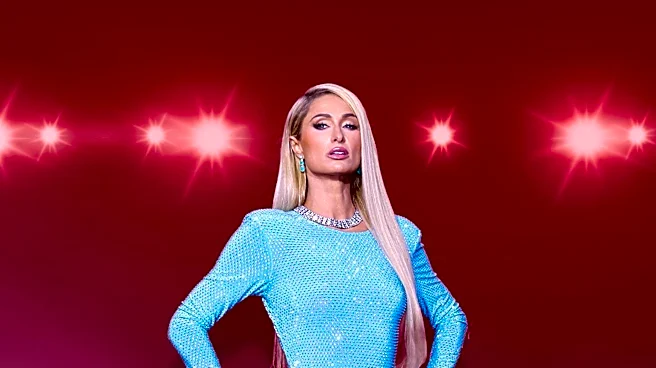
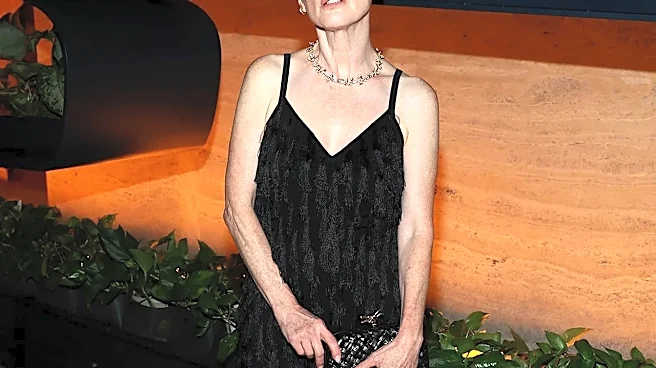
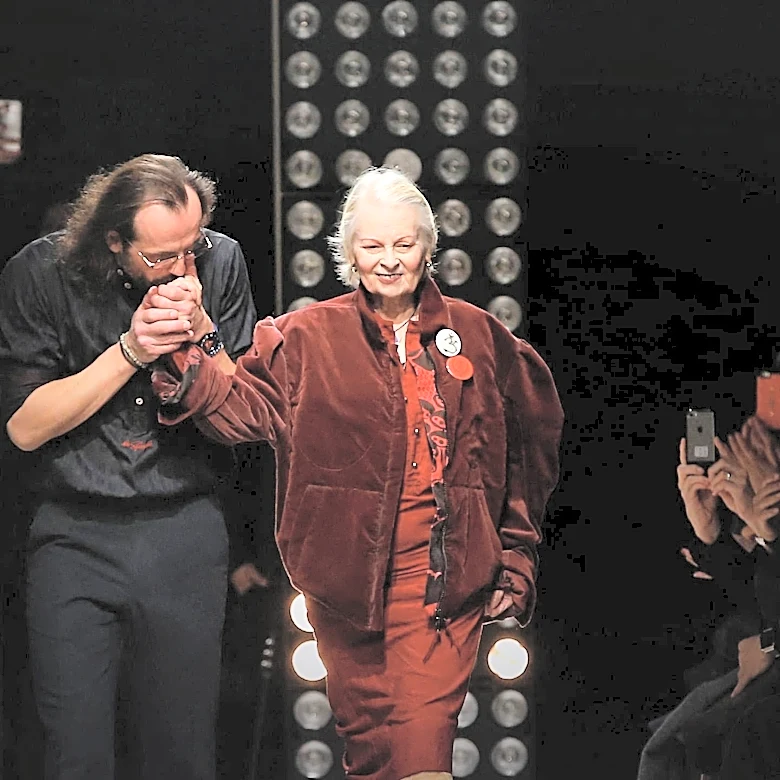
Fashion Month has officially concluded, with Paris Fashion Week marking its grand finale. The event followed New York Fashion Week and London Fashion Week, showcasing a variety of designers and celebrity attendees. New York Fashion Week featured anniversary
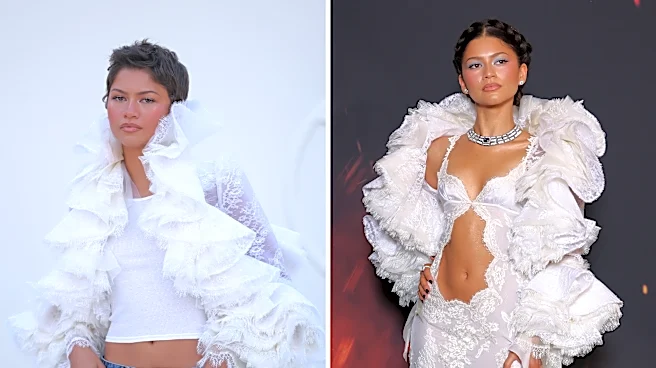
shows from brands like Coach and Carolina Herrera, with stars such as Paris Hilton, Gigi Hadid, Viola Davis, and Lauryn Hill in attendance. London Fashion Week highlighted embellished embroidery from designers like Erdem and Simone Rocha, and a notable Burberry show. Milan Fashion Week was kicked off by Vogue World, attracting Jennifer Lopez and Pamela Anderson, among others. Paris Fashion Week itself included a surprise performance by Celine Dion at L'Oreal's 'Express Your Worth' show and a Saint Laurent show with suspended chandeliers framing the Eiffel Tower. Celebrities like Nicole Kidman, Dua Lipa, Zendaya, and Emma Stone were present at shows from Givenchy, Chloé, Valentino, Chanel, and Louis Vuitton.
Why It's Important?
The conclusion of Fashion Month, particularly with the high-profile events in Paris, is significant for the global fashion industry and its influence on consumer trends. These events serve as crucial platforms for designers to unveil their latest collections, setting the tone for upcoming seasons and influencing retail markets worldwide. The presence of numerous celebrities amplifies media attention, driving brand visibility and consumer interest, which can translate into increased sales and brand loyalty. For the U.S. market, these international trends often dictate what will be available in stores and online, impacting fashion retailers and consumers. The blend of established luxury houses and emerging designers also highlights the dynamic nature of the industry, fostering innovation and artistic expression that can inspire broader cultural shifts in style and aesthetics.
What's Next?
Following the conclusion of Fashion Month, the focus will shift to how these runway trends translate into mainstream fashion and consumer behavior. Retailers and buyers will begin to stock their inventories based on the showcased collections, making the latest styles accessible to the public. Fashion publications and influencers will continue to dissect and promote key looks, further shaping consumer demand. Designers will start preparing for the next cycle of shows, continuously innovating and responding to evolving tastes. The celebrity endorsements and high-profile attendance at these events will likely continue to generate buzz, influencing marketing campaigns and brand collaborations. The industry will also be evaluating the commercial success of the presented collections, which will inform future design and business strategies.
Beyond the Headlines
Beyond the immediate spectacle of runway shows and celebrity sightings, Fashion Month reflects deeper cultural narratives and economic forces. It serves as a barometer for societal shifts, with designers often incorporating themes related to sustainability, inclusivity, and technological advancements into their collections. The global nature of these events underscores the interconnectedness of the fashion industry, where trends originating in one city can rapidly influence markets across the world. Economically, Fashion Month generates significant revenue through tourism, media coverage, and direct sales, supporting a vast ecosystem of designers, manufacturers, and retailers. It also highlights the ongoing tension between artistic expression and commercial viability, as designers strive to create innovative pieces while also appealing to a broad consumer base. The events also provide a platform for emerging talent, ensuring the continuous evolution and revitalization of the industry.