


What's Happening?
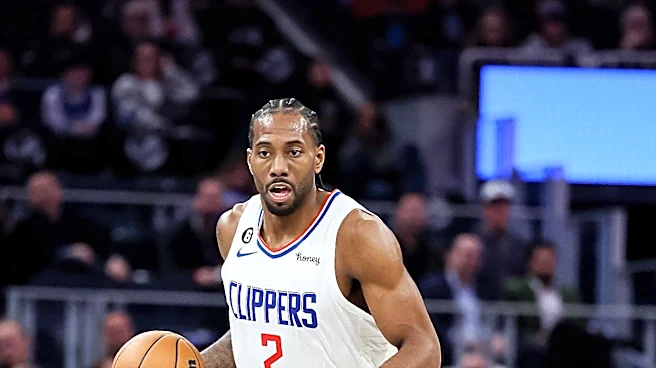
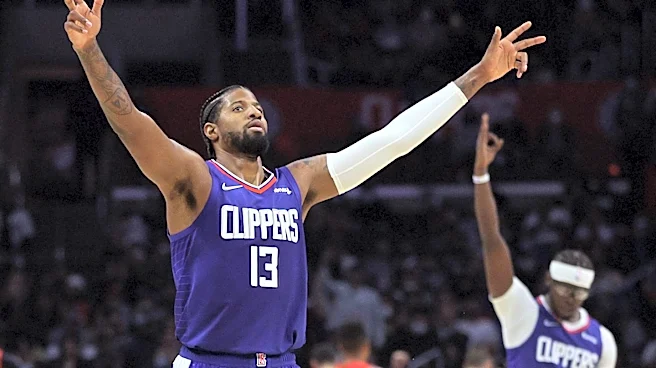
The NBA has been conducting an 11-month investigation into the Los Angeles Clippers and their owner, Steve Ballmer, regarding alleged salary cap circumvention related to Kawhi Leonard's endorsement deals. The investigation began after reports from podcaster
Pablo Torre suggested that Aspiration, a sustainability company in which Ballmer was a major investor, paid Leonard millions for seemingly unrendered endorsement services. Further reports indicated a similar arrangement with Daktronics, the company responsible for the Intuit Dome's halo scoreboard. While the NBA has reportedly found no evidence that Ballmer directly funneled money through team sponsors to Leonard to circumvent the salary cap, the league is now focusing on whether the Clippers' introduction of Leonard to team sponsors constitutes a 'failure to supervise' employees, potentially violating league rules. The NBA issued a statement refuting ESPN's article on the matter, citing 'numerous and significant inaccuracies' and stating that the investigation's results will be made public upon conclusion. The Clippers have consistently denied any wrongdoing, asserting that introducing players to business partners is standard practice and that they did not negotiate or dictate the terms of Leonard's endorsement agreements.
Why It's Important?
This investigation carries significant implications for the NBA's salary cap integrity and the relationship between team owners, players, and sponsors. If the Clippers are found to have violated rules, even if not directly for cap circumvention, it could set a precedent for how teams manage player endorsements and interactions with team-affiliated businesses. The league's focus on 'failure to supervise' suggests a broader concern about maintaining fair play and preventing any perception of impropriety, even in indirect dealings. For players like Kawhi Leonard, such investigations can cast a shadow over their contracts and future team affiliations, as evidenced by the speculation of his potential trade to the Toronto Raptors. The outcome could influence how other NBA teams structure endorsement deals for their star players, potentially leading to stricter guidelines or increased scrutiny from the league office. The dispute also highlights the tension between team owners' business interests and the NBA's regulations designed to ensure competitive balance.
What's Next?
The NBA and the Clippers are reportedly in negotiations to resolve the investigation. The NBA has referenced past penalties, such as those applied to the Minnesota Timberwolves for circumvention involving Joe Smith, as a potential template for resolution. However, Steve Ballmer has reportedly stated he will not accept a league result that asserts he or the team intended to circumvent the salary cap and would pursue arbitration if necessary. The Clippers maintain their innocence, emphasizing that their business relationships stood on their own merits and that they did not funnel money to Leonard. The ongoing negotiations suggest a resolution might be nearing, but the NBA's public denial of certain aspects of ESPN's reporting indicates that the full details and outcome remain uncertain. Leonard, who is 35 and entering his 15th NBA season, is in the final year of a three-year, $149.5 million contract extension, with no indication that his current deal will be voided due to the investigation.
Beyond the Headlines
The Clippers' investigation delves into the complex and often opaque world where professional sports, player endorsements, and team ownership intersect. Beyond the immediate concerns of salary cap violations, this case touches upon the ethical boundaries of team-owner influence in player finances. The concept of 'failure to supervise' could broaden the scope of accountability for team management, pushing them to be more vigilant about how their players engage with external businesses, especially those connected to the owner. This situation also underscores the power dynamics within the NBA, where a wealthy owner like Ballmer is prepared to challenge the league's findings through arbitration, potentially leading to a protracted legal battle. The outcome could redefine the permissible extent of team involvement in player endorsement deals, potentially leading to more transparent and regulated practices across the league to prevent future ambiguities and maintain public trust in the fairness of competition.