





What's Happening?
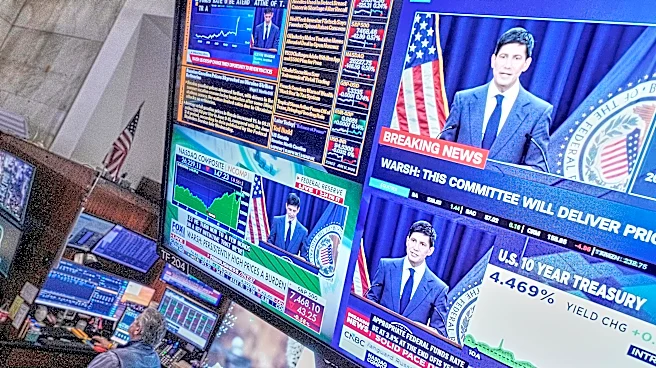
The U.S. Federal Reserve, under the new leadership of Chair Kevin Warsh, has maintained its benchmark interest rate unchanged, signaling a potential shift towards a more hawkish monetary policy. This decision comes amid rising inflation concerns, with
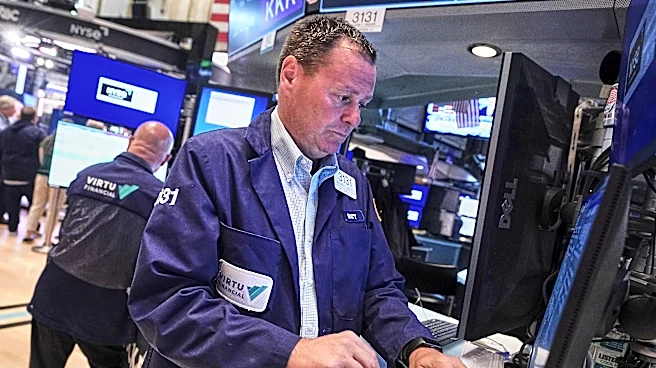
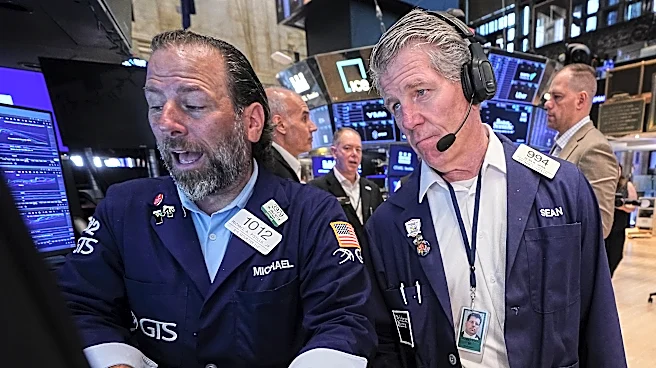
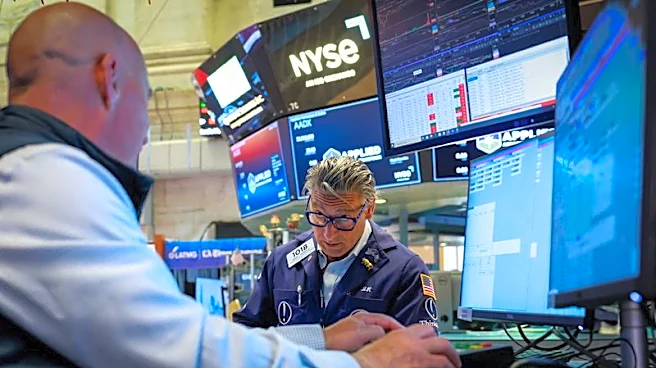
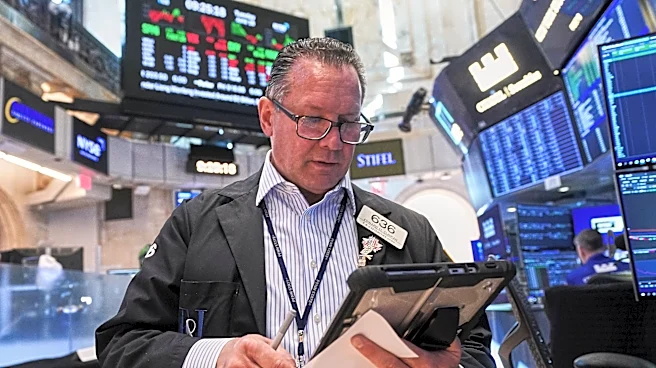
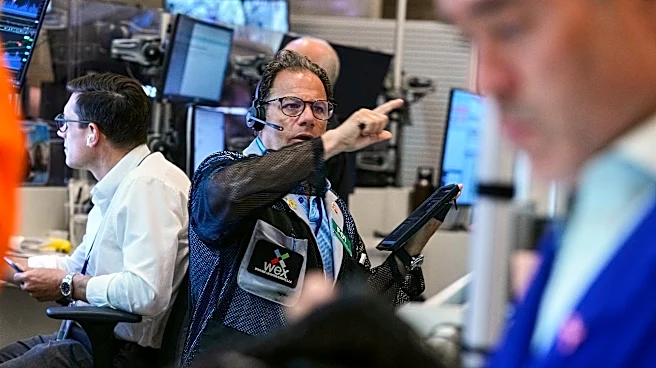
the Fed's inflation projections now suggesting a rate of 3.6% by the end of 2026, up from a previous forecast of 2.7% in March. The Fed's stance has led to volatility in the stock market, as investors had been anticipating potential interest rate cuts. The Dow Jones Industrial Average, S&P 500, and Nasdaq all experienced fluctuations, with the Nasdaq seeing a notable increase of over 2% for the week. The market's reaction reflects the uncertainty surrounding the Fed's future policy moves, as nine out of 19 Fed officials now foresee at least one rate hike by the end of the year.
Why It's Important?
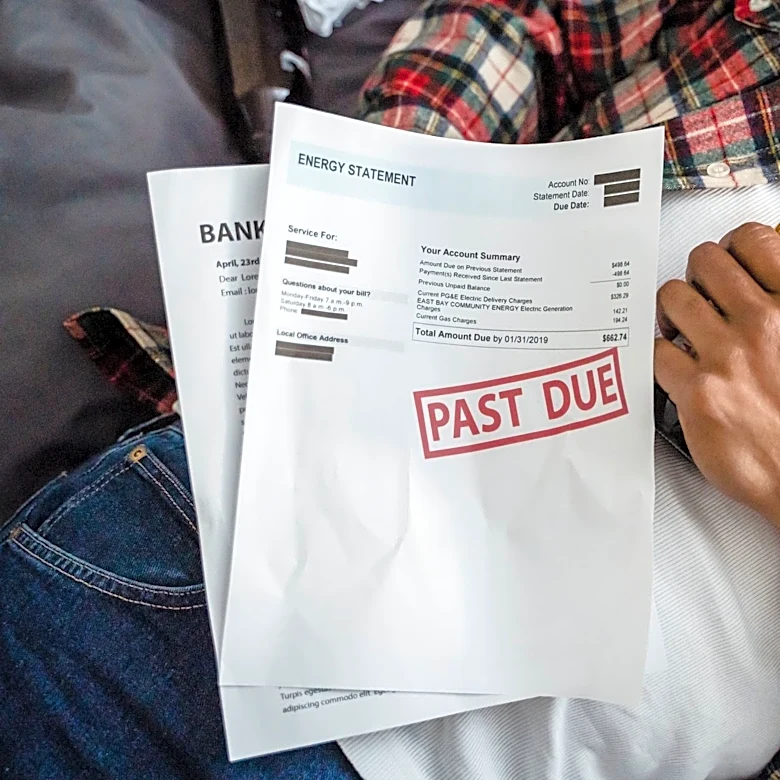
The Federal Reserve's decision to maintain its current interest rate and signal potential hikes is significant for several reasons. Firstly, it underscores the Fed's commitment to controlling inflation, which has been a growing concern for the U.S. economy. This move could impact borrowing costs for businesses and consumers, potentially slowing economic growth if rates are increased. Additionally, the stock market's reaction highlights the sensitivity of financial markets to Fed policy signals, as investors adjust their expectations for future economic conditions. The Fed's stance may also influence other central banks globally, as they monitor U.S. monetary policy for cues on managing their own inflation challenges.
What's Next?
Looking ahead, the Federal Reserve's future meetings will be closely watched for any changes in its monetary policy stance. Investors and analysts will be particularly attentive to any updates on inflation projections and the Fed's economic outlook. The potential for interest rate hikes could lead to further market volatility, as stakeholders adjust their strategies in response to the Fed's actions. Additionally, businesses and consumers may need to prepare for the possibility of higher borrowing costs, which could affect spending and investment decisions. The Fed's communication strategy will be crucial in managing market expectations and ensuring economic stability.