


What's Happening?
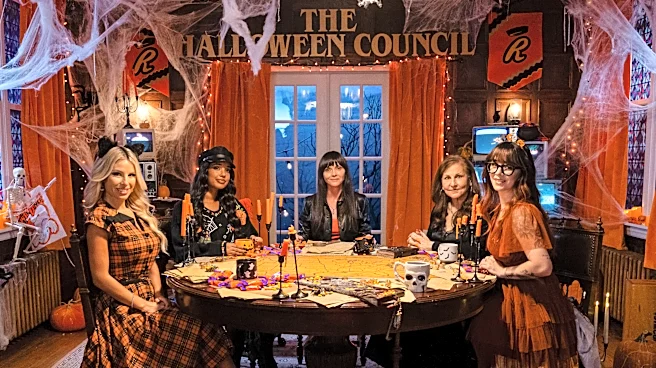
Households across the U.S. are increasingly adopting the trend of decorating for Halloween weeks ahead of October, transforming it into a widespread tradition. This shift is driven by a desire to extend seasonal excitement, avoid retail inventory shortages,
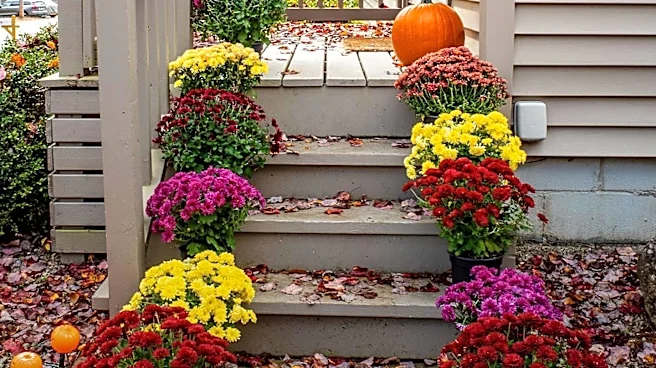
and create warm, festive home environments earlier. Behavioral research indicates that incorporating playful and nostalgic items into living spaces can trigger positive childhood memories and improve daily mood, especially as daylight hours diminish. The vivid colors of autumn decor, such as oranges and ambers, contribute to a sense of warmth and ease the psychological transition from summer. Retailers stocking seasonal items as early as mid-summer have also inadvertently encouraged this early decorating trend.
Why It's Important?
This cultural phenomenon highlights a significant shift in consumer behavior and its psychological underpinnings in the U.S. The proactive embrace of seasonal decorating reflects a collective desire for extended periods of joy and anticipation, serving as a counter-balance to daily routines and environmental changes. Economically, this trend benefits retailers by extending the seasonal shopping window and potentially increasing sales of holiday-related merchandise. For individuals, it offers a tangible way to enhance personal well-being through environmental enrichment and the cultivation of positive emotions. This movement underscores the importance of home as a sanctuary and a space for personal expression, particularly in times of uncertainty, and demonstrates how seemingly simple actions can have a profound impact on mood and quality of life.
What's Next?
The trend of early seasonal decorating is likely to continue and expand, with retailers potentially adjusting their inventory schedules further to meet consumer demand. We may see more innovative and durable decor options designed to withstand longer display periods and varying weather conditions. Social media platforms will likely continue to play a significant role in popularizing and sharing early decorating ideas, fostering a sense of community among enthusiasts. This could also lead to a broader cultural acceptance of extending holiday seasons, influencing how other holidays are celebrated and marketed. The emphasis on phased decorating, starting with versatile autumnal staples and gradually adding more theatrical elements, suggests a more thoughtful and strategic approach to seasonal displays.
Beyond the Headlines
Beyond the immediate festive appeal, early Halloween decorating taps into deeper human needs for ritual, nostalgia, and control over one's environment. In an increasingly complex world, the act of transforming one's home into a festive space can provide a sense of stability and comfort. The deliberate choice of colors and themes associated with autumn and Halloween can evoke feelings of coziness and playful escapism. This trend also reflects a form of 'pre-emptive joy,' where the anticipation of a holiday becomes as significant as the event itself, offering sustained psychological benefits. It highlights how personal environments are not just functional spaces but powerful tools for mood regulation and emotional well-being, influencing daily satisfaction and resilience.