


What's Happening?
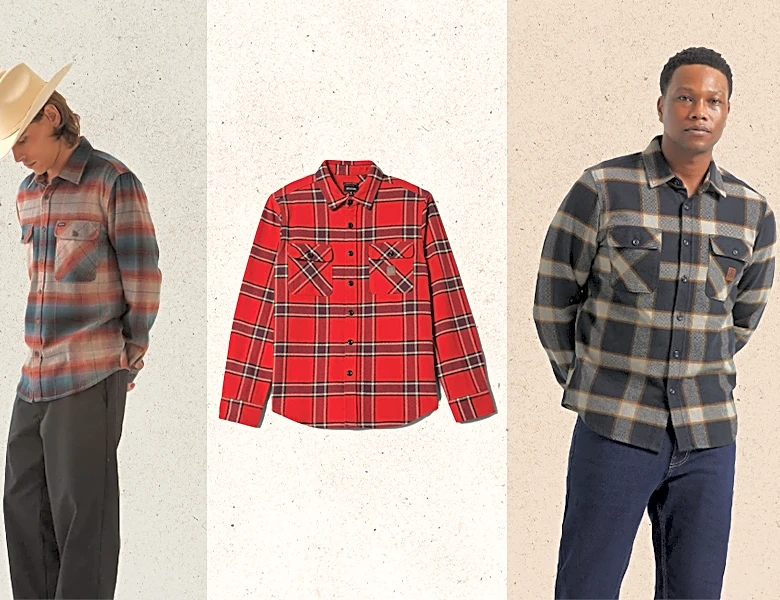
Gen Z is reshaping the fashion landscape by embracing a diverse and eclectic mix of styles, heavily influenced by social media and a global digital audience. This generation draws from vintage, luxury, fast-moving trends, and niche aesthetics, interpreting
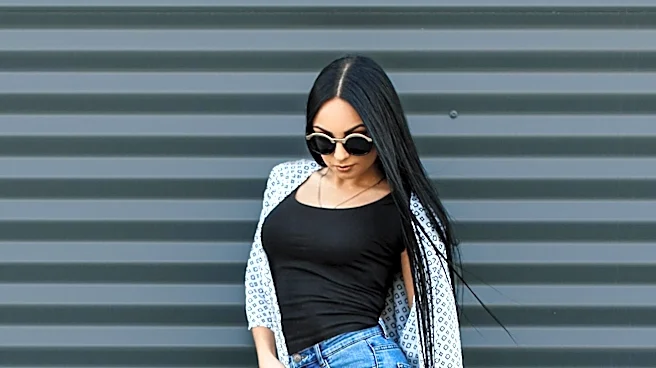
these influences uniquely based on their cultural and geographical context. Unlike previous generations, there isn't a single 'Gen Z uniform,' as they access and adapt almost every aesthetic simultaneously. Comfort and practicality are highly valued, leading to a preference for relaxed silhouettes and versatile pieces that can be mixed and matched. The 2010s aesthetic, particularly Y2K, minimalism, and grunge, is notably popular, viewed as a nostalgic escape from contemporary uncertainties. Social media plays a crucial role in democratizing fashion, making it more accessible and introducing diverse voices and perspectives into the industry, allowing emerging brands to build audiences without relying on traditional fashion institutions.
Why It's Important?
This shift in fashion consumption and expression by Gen Z has significant implications for the U.S. fashion industry and related businesses. Brands must adapt to a consumer base that prioritizes authenticity, individuality, and values over ostentatious luxury. The democratization of fashion through social media means that traditional marketing strategies may be less effective, with a greater emphasis on digital engagement and influencer collaborations. The rise of vintage and Y2K aesthetics also impacts the resale market and encourages sustainable practices, as consumers seek unique, pre-owned items. Businesses that can effectively cater to Gen Z's desire for comfort, versatility, and a blend of high-low fashion will likely thrive, while those that fail to recognize these evolving preferences may struggle to maintain relevance in a rapidly changing market.
What's Next?
The fashion industry will likely continue to see an acceleration of trends driven by social media, with micro-trends emerging and fading rapidly. Brands will need to remain agile and responsive to these shifts, potentially investing more in digital platforms and collaborations with social media personalities. The emphasis on individuality and self-expression will push designers to offer more customizable and versatile collections. We can also expect to see a continued blurring of lines between high fashion and everyday wear, with mass-market brands increasingly adopting high-fashion campaign strategies, as exemplified by IKEA's high-fashion campaign for its blue bag. The influence of Gen Z will likely lead to more inclusive and diverse representation in fashion, both in terms of models and design aesthetics, as the generation values authenticity and a wide range of perspectives.
Beyond the Headlines
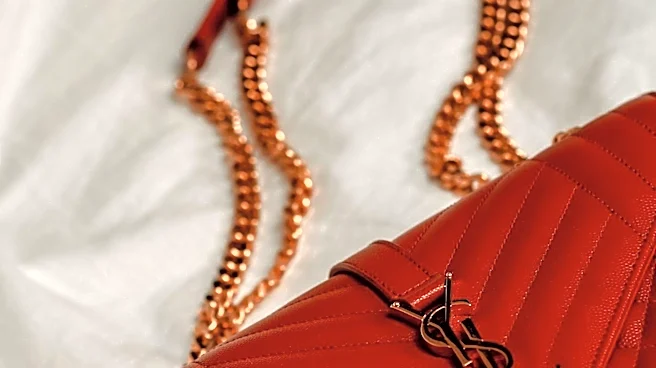
The Gen Z approach to fashion reflects broader cultural shifts towards authenticity, sustainability, and digital-first engagement. Their ability to rebrand past trends and infuse them with new meaning highlights a unique relationship with nostalgia, using it as a tool for self-expression rather than mere replication. This generation's comfort with mixing diverse styles, from luxury to vintage, also challenges traditional notions of status and exclusivity in fashion. The phenomenon of 'high-fashion absurdism,' where everyday items are elevated to fashion statements, suggests a playful and ironic detachment from conventional luxury, indicating a deeper critique of consumerism and brand identity. This evolving dynamic could lead to a more fluid and less hierarchical fashion ecosystem, where creativity and personal narrative hold more weight than brand prestige alone.