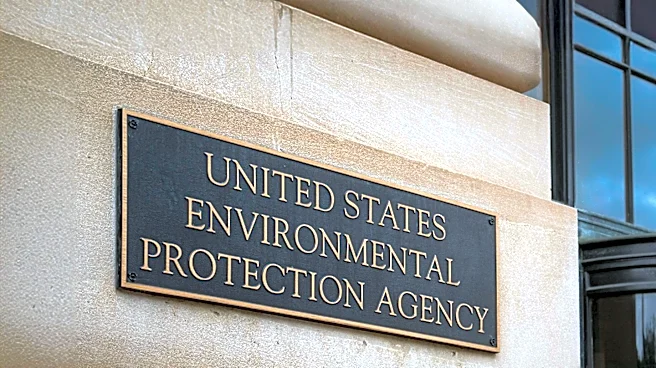











What's Happening?
Regulatory agencies in the U.S. and Europe are intensifying efforts to ensure companies verify their environmental and wellness claims. This shift from voluntary to mandatory standards is driven by the need for transparency and accountability in sustainability
reporting. The European Union's Corporate Sustainability Reporting Directive, effective from the 2024 financial year, mandates new accounting rules to highlight social and environmental risks. Similarly, the U.S. Federal Trade Commission's Green Guides aim to prevent misleading environmental marketing. California's Senate Bill 253 requires large corporations to disclose greenhouse gas emissions, emphasizing the importance of accurate sustainability data.
Why It's Important?
The enforcement of audit-ready sustainability claims is crucial for transparency in environmental reporting. It ensures that investors and consumers are not misled by unsubstantiated claims, promoting informed decision-making. This regulatory shift impacts industries like agriculture, which face challenges in tracking emissions across their value chains. The move also prevents companies from falsely claiming sustainability efforts, ensuring fair competition. As sustainability becomes a financial risk factor, accurate data is essential for capital allocation decisions, influencing corporate strategies and investor confidence.
What's Next?
Companies are expected to centralize sustainability data and improve traceability to comply with new regulations. This involves cross-functional collaboration, with finance and ESG controllers playing key roles. The demand for measurement and reporting platforms is likely to increase as businesses seek to meet compliance requirements. The focus on Scope 1, 2, and 3 emissions will drive industries to enhance their sustainability practices, potentially leading to innovations in emission tracking and reduction strategies.