






What's Happening?
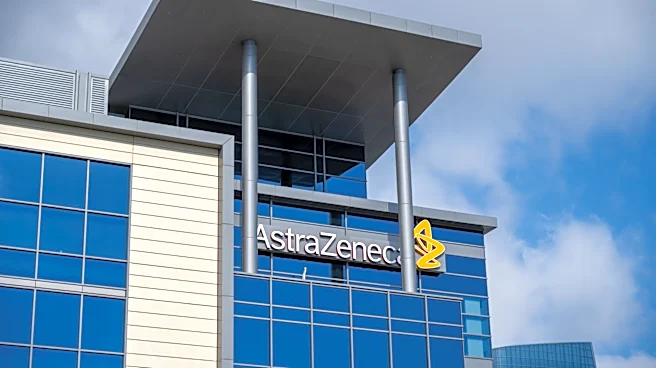
AstraZeneca and Tempus AI have renewed and expanded their strategic oncology collaboration for another five years, with AstraZeneca committing $200 million to advance cancer drug discovery and development through artificial intelligence and multimodal
data. The agreement, signed on November 16, 2026, and disclosed in an SEC filing on November 18, will take effect on January 1, 2027, and continue through December 31, 2031, with a potential one-year extension. This renewed partnership builds on a collaboration initiated in November 2021, which focused on applying AI, machine learning, and de-identified clinical and molecular data to cancer research. The financial commitment from AstraZeneca covers existing and future Tempus products and services, including licensed oncology data, access to its Lens multimodal data platform, scientific analysis, and other research and development activities. The collaboration aims to integrate AI and data analysis into ongoing oncology research, supporting the identification of drug targets, improving clinical development strategies, and advancing precision oncology.
Why It's Important?
This renewed $200 million deal signifies a substantial long-term investment in AI-driven oncology research, highlighting the growing importance of artificial intelligence and big data in pharmaceutical innovation. For AstraZeneca, it secures continued access to Tempus AI's vast library of de-identified patient data and advanced AI tools, which are crucial for identifying new therapeutic targets, stratifying patients for clinical trials, and developing personalized cancer treatments. For Tempus AI, the agreement provides a significant and stable revenue stream, reinforcing its position as a key player in the precision medicine landscape. This collaboration also underscores a broader industry trend where pharmaceutical companies are increasingly relying on AI and data analytics to accelerate drug discovery and development, potentially leading to more effective and targeted cancer therapies. The expansion of the partnership to include clinical development and applications that support oncology practice suggests a move towards integrating AI not just in research but also in practical clinical workflows, aiming to improve patient outcomes.
What's Next?
The renewed agreement establishes a framework for the next five years, focusing on integrating AI and data analysis into AstraZeneca's oncology research. Key initiatives include the continued development of multimodal foundation models for oncology, which can integrate various data sources like clinical histories, molecular profiles, and medical images to identify patterns for biomarker discovery and clinical trial design. An example of this is the successful delivery of the first version of Tempus AI's oncology foundation model to AstraZeneca in July 2026. The collaboration will also continue to expand programs like Tempus Next, an AI-enabled care pathway intelligence platform, which identifies patients who could benefit from molecular testing, as demonstrated by its expansion to 15 provider sites in June 2024. The success of this partnership will be measured by identifiable research outputs, validated biomarkers, improved trial designs, and ultimately, clinical studies demonstrating whether AI-assisted approaches lead to better treatment decisions and accelerate the development of effective therapies for cancer patients.
Beyond the Headlines
This extended collaboration between a major pharmaceutical company and an AI-driven precision medicine firm reflects a paradigm shift in how medical research is conducted. The reliance on large collections of de-identified patient data to train and evaluate AI systems brings to the forefront critical discussions around data governance, patient privacy, and ethical AI use. The agreement includes restrictions against re-identifying patients or unauthorized data use, which are essential safeguards in this data-intensive environment. The long-term implications of such partnerships could revolutionize cancer treatment by enabling highly personalized therapies, but they also necessitate continuous oversight to ensure that AI models are unbiased, accurate, and contribute to equitable healthcare access. The challenge will be to translate the immense potential of AI and big data into tangible clinical benefits for patients, demonstrating that these technological advancements can truly improve health outcomes and quality of life.