



What's Happening?
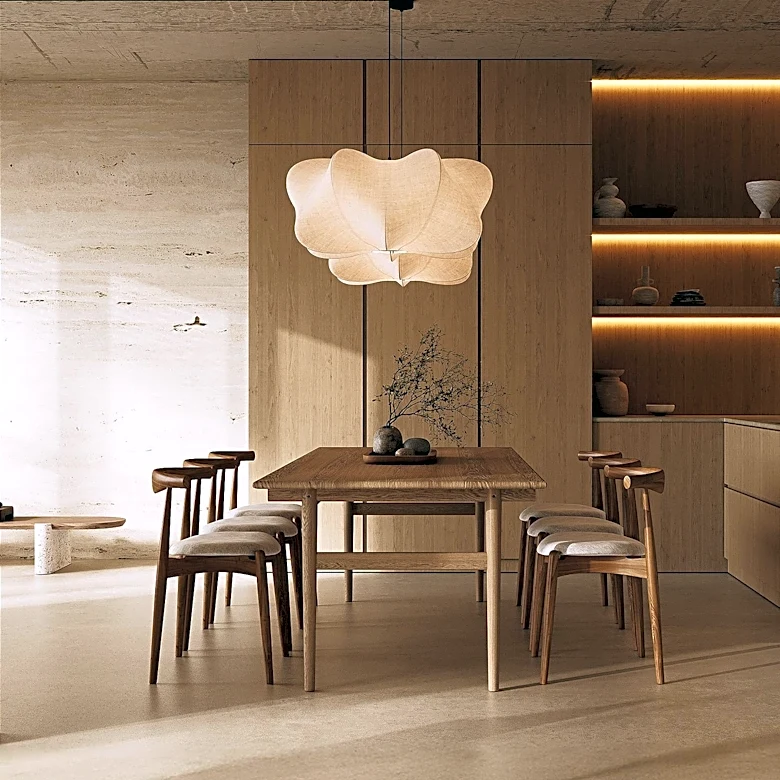
A growing trend in U.S. home design indicates that homeowners are increasingly prioritizing flexible floor plans and sustainable features to accommodate long-term living needs. According to a 2026 U.S. Houzz & Home study, 61% of homeowners anticipate
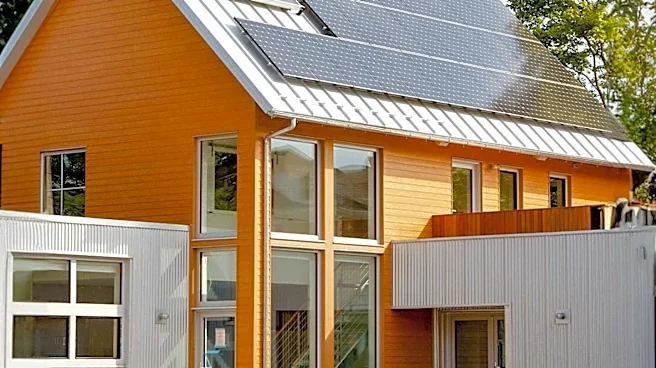
staying in their residences for at least 11 years post-renovation, with 44% considering their current home a 'forever home.' This shift is prompting architects, designers, and builders to integrate adaptability into the early stages of the design process. Features such as single-level living areas, wider circulation paths, accessible storage, improved lighting, and curbless showers are becoming more common, addressing both current lifestyle needs and future accessibility requirements. The demand also extends to multigenerational living, with more households seeking designs that can comfortably accommodate parents, adult children, and extended family members under one roof, offering privacy through separate bedrooms, additional bathrooms, and flexible living spaces. Greentech Homes in Chattanooga, TN, notes that homebuyers are carefully considering how a home will serve them over time, leading to increased interest in floor plans that can be reconfigured for various uses, such as home offices, guest suites, or single-level living.
Why It's Important?
This trend signifies a fundamental shift in consumer expectations within the U.S. housing market, moving beyond transient design preferences towards more practical, enduring, and adaptable living spaces. For the construction and real estate industries, this means a greater emphasis on foresight in design and a potential increase in demand for specialized architectural services that can deliver flexible and accessible solutions. Builders and developers who can effectively integrate these features into new constructions or renovation projects stand to gain a competitive advantage. The focus on 'aging-in-place' and multigenerational living also has significant societal implications, potentially reducing the need for specialized care facilities and fostering stronger family units. Economically, this could drive innovation in building materials and smart home technologies that support energy efficiency and adaptability, creating new market opportunities for manufacturers and tech companies. Homeowners benefit from increased property value and the ability to avoid costly future renovations as their needs evolve, promoting financial stability and long-term comfort.
What's Next?
The housing market is likely to see continued evolution in design standards, with flexible and sustainable features becoming standard rather than premium offerings. Building codes and regulations may also adapt to encourage or mandate more accessible and adaptable home designs, particularly in new constructions. We can expect an increase in educational resources and certifications for architects and builders specializing in universal design and sustainable building practices. Manufacturers of home fixtures and appliances will likely innovate to provide more adaptable and energy-efficient products that cater to these evolving homeowner demands. Furthermore, real estate marketing will increasingly highlight a home's long-term adaptability, energy efficiency, and potential for multigenerational living as key selling points. Financial institutions may also begin to offer specialized loan products or incentives for homes that incorporate these future-proof design elements, further accelerating their adoption across the U.S. housing landscape.
Beyond the Headlines
The shift towards flexible and sustainable home design reflects broader societal changes, including an aging population, evolving family structures, and increased environmental consciousness. Ethically, this trend promotes inclusivity by making homes more accessible to individuals with varying mobility needs, fostering a more equitable living environment. Culturally, it signifies a move away from disposable consumerism towards a more thoughtful and sustainable approach to homeownership, where homes are viewed as long-term investments that adapt to life's changes rather than temporary dwellings. Legally, there could be increased pressure for universal design principles to be incorporated into building codes, potentially leading to new mandates for accessibility and adaptability in residential construction. This long-term perspective on home design also has environmental benefits, as more durable and adaptable homes reduce the frequency of demolitions and new constructions, thereby lowering waste and carbon footprints. This trend could ultimately lead to more resilient communities that are better equipped to support diverse populations and changing lifestyles.