
What's Happening?
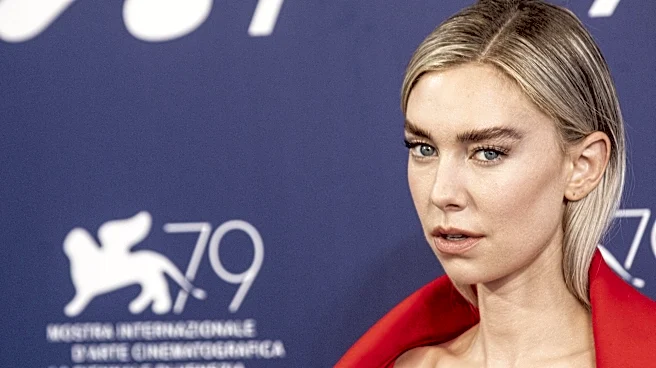
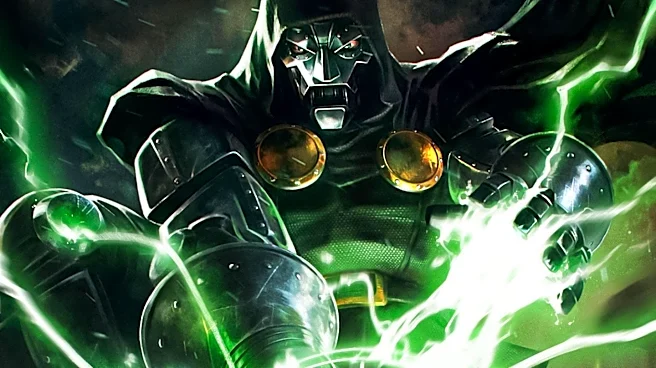
Vanessa Kirby, who portrays Sue Storm in the upcoming film 'Avengers: Doomsday,' actively influenced the movie's script by providing comic book references for her character's interactions with Doctor Doom. Kirby, who also played Invisible Woman in 'The
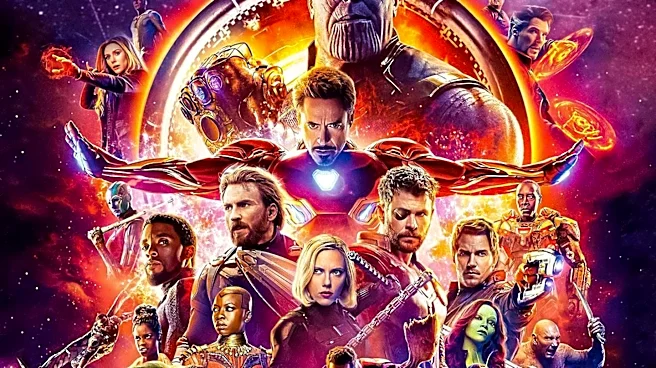
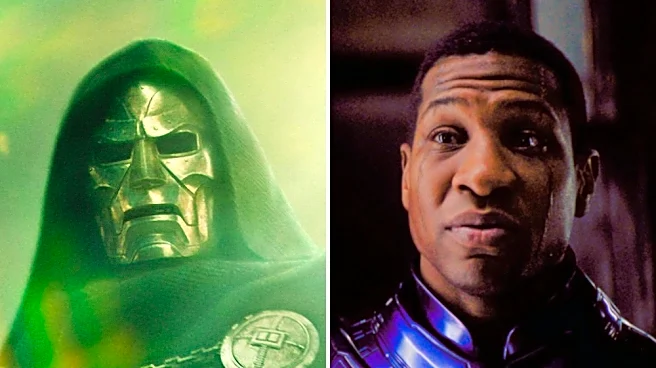
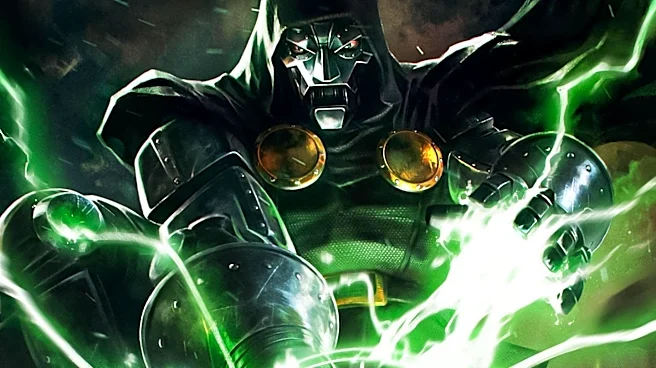
Fantastic Four: First Steps,' delved into Marvel comics to understand the dynamic between Sue Storm, Reed Richards, and Victor von Doom. She compiled numerous images depicting conflicts between Sue and Doom and shared them with directors Joe and Anthony Russo. According to Kirby, one significant scene for Sue Storm in 'Avengers: Doomsday' was developed to be very similar to a comic book depiction, a reference she had submitted two years prior. This initiative highlights a direct influence from an actor on the narrative development of a major Marvel Cinematic Universe film, ensuring a specific comic book moment is brought to the screen. The film is scheduled for release on December 18, 2026, and features a star-studded cast including Robert Downey Jr., Pedro Pascal, Chris Evans, and Chris Hemsworth.
Why It's Important?
This development is important as it signifies a deeper level of actor involvement in shaping the narrative of a major cinematic universe, potentially setting a precedent for future productions. Kirby's proactive approach in researching and advocating for specific comic book elements demonstrates a commitment to source material accuracy, which is often highly valued by long-time fans. For the Marvel Cinematic Universe, incorporating such specific comic book references can enhance the authenticity and depth of character portrayals, potentially leading to a more satisfying experience for audiences familiar with the comics. It also highlights the collaborative nature of filmmaking, where creative input from various team members, including actors, can significantly impact the final product. This could influence how studios approach actor engagement in character development, fostering a more integrated creative process. Furthermore, the anticipation generated by this revelation could boost audience interest and engagement with 'Avengers: Doomsday,' as fans speculate which specific comic book moment will be adapted.
What's Next?
As 'Avengers: Doomsday' approaches its release on December 18, 2026, fans will be eagerly anticipating which specific comic book conflict between Sue Storm and Doctor Doom will be featured. The revelation by Vanessa Kirby has already sparked speculation among enthusiasts, with some pointing to 'Fantastic Four #116' as a potential source, where Sue uses reverse psychology against Doom. The film's marketing campaign may further tease or reveal details about this particular scene, building excitement leading up to the premiere. The success of this comic-accurate portrayal could also influence future adaptations within the Marvel Cinematic Universe, encouraging more direct integration of beloved comic book storylines and character dynamics. Additionally, the collaborative model demonstrated by Kirby's input might become a more common practice, empowering actors to contribute more significantly to the authenticity of their roles.
Beyond the Headlines
The deeper implication of Vanessa Kirby's influence on 'Avengers: Doomsday' extends beyond mere fan service; it touches upon the evolving relationship between source material and cinematic adaptation. In an era where comic book movies are scrutinized for their faithfulness to the original stories, an actor's direct involvement in ensuring such accuracy can elevate the perceived quality and integrity of the film. This approach could foster a stronger connection between the creative team and the fan base, potentially mitigating criticisms often leveled against adaptations that deviate significantly from their source. Ethically, it underscores the value of respecting the foundational narratives that have captivated audiences for decades. Culturally, it reinforces the idea that comic books are not just source material but a rich tapestry of storytelling that deserves careful and thoughtful translation to the big screen, influencing how future generations of filmmakers and actors might approach beloved intellectual properties.