





What's Happening?
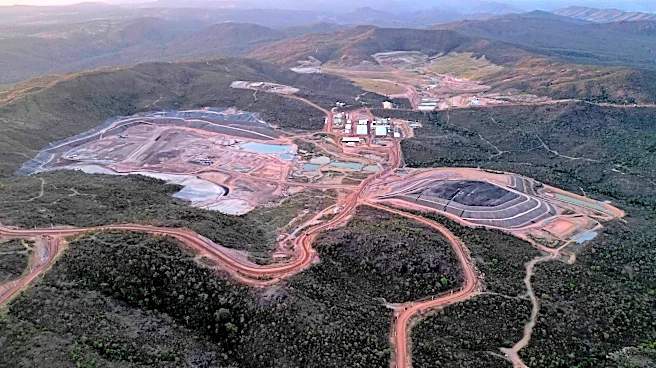
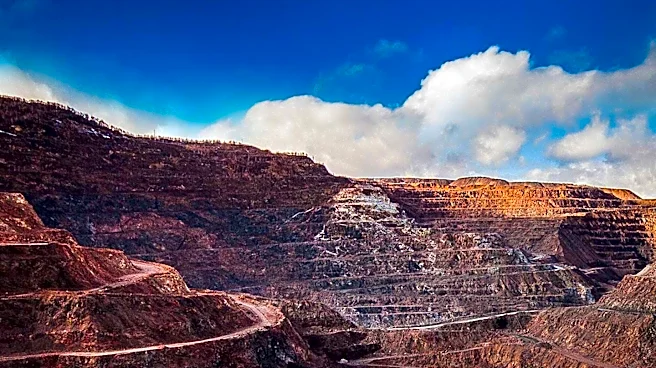
The U.S. development finance agency has committed $62.8 million to rare earth projects across four African countries: Malawi, Angola, Madagascar, and South Africa. This funding aims to support the development of rare earth mineral extraction, which is crucial
for technologies like electric vehicles, wind turbines, and defense systems. The largest portion of this funding, approximately $50 million, has been allocated to the Phalaborwa rare-earth project in South Africa, backed by Dublin-based mining investor TechMet. Despite the strategic importance of these minerals and growing global demand, private investors have shown caution in entering Africa's rare earth sector due to perceived risks. None of the projects supported by the U.S. funding have yet reached production.
Why It's Important?
This U.S. investment is a strategic move to diversify the global rare earth supply chain and reduce dependence on China, which currently dominates the market. Rare earth elements are essential for modern technology and the transition to green energy, making secure access to these minerals a national security and economic priority for the U.S. By providing development finance, the U.S. aims to de-risk these projects and make them more attractive to private capital, thereby fostering a more resilient and diversified supply network. The cautious stance of private investors highlights the significant challenges and uncertainties in developing new rare earth projects, including high development costs, limited infrastructure, and concerns about Chinese market influence affecting prices and commercial viability. This initiative underscores the U.S.'s commitment to strengthening its critical mineral supply chain and supporting economic development in Africa.
What's Next?
The U.S. development finance agency's strategy is to help these projects reach a more de-risked stage, hoping to attract further private-sector investment. This implies continued financial and technical support to overcome initial hurdles and demonstrate commercial viability. However, the timeline for these projects to reach production remains uncertain, given the complexities of mining development and the current lack of private capital engagement. The success of these initiatives will depend on effectively mitigating risks, establishing robust infrastructure, and navigating market dynamics influenced by China's established dominance. The U.S. will likely continue to explore similar partnerships and funding mechanisms to secure critical mineral supplies globally, while also addressing the concerns of private investors regarding market stability and profitability.
Beyond the Headlines
The U.S. government's direct financial intervention in African rare earth projects reflects a broader geopolitical competition for critical resources. Unlike China's state-backed financing model, the U.S. approach aims to leverage public funds to catalyze private investment, aligning with its market-oriented economic philosophy. This strategy also seeks to counter China's significant influence in Africa's mineral sector, where Chinese companies have played a leading role in various critical mineral projects. The challenges faced by these projects, such as high development costs and market uncertainties, highlight the inherent difficulties in establishing new supply chains for strategically important materials. This situation also brings to light the ethical considerations of resource extraction in developing nations, including environmental impacts and benefits for local communities, which will be crucial for the long-term sustainability and acceptance of these ventures.