




What's Happening?
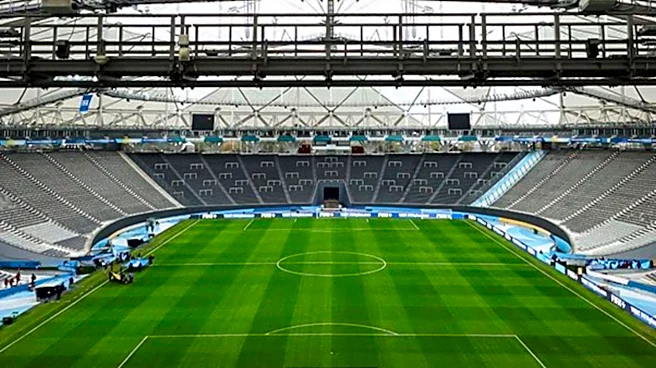
The World Cup final between Argentina and Spain, scheduled to take place at MetLife Stadium in East Rutherford, New Jersey, is set to experience significant weather conditions. A steady and soaking rain is expected on Saturday, which is anticipated to clear
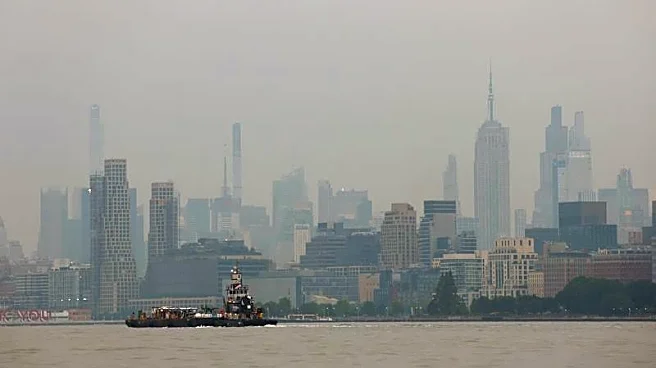
the air of smoke particles through a process known as wet deposition. This phenomenon, often referred to as 'dirty rain,' occurs when raindrops collide with smoke particles, causing them to fall to the ground and leave behind brown or gray spots on surfaces. The rain is expected to continue into early Sunday morning, with skies clearing by the afternoon. The match is set to start at 3pm ET under mostly sunny skies with a temperature near 83F (28C). The weather has been a challenge throughout the tournament, with extreme heat and humidity affecting play and thunderstorms causing logistical issues.
Why It's Important?
The weather conditions for the World Cup final are crucial as they directly impact player performance and safety. Extreme temperatures and humidity can pose serious health risks to players, affecting their ability to perform at their best. The anticipated rain is expected to improve air quality by removing smoke particles, which is beneficial for both players and spectators. Additionally, the weather has logistical implications, as thunderstorms have previously caused delays in matches. Ensuring clear skies and good air quality is essential for the smooth execution of the final match, which is a significant event in the sports calendar.
What's Next?
Following the World Cup final, attention will likely turn to the evaluation of how weather conditions were managed throughout the tournament. Organizers may consider implementing more robust protocols for future events to handle extreme weather conditions, ensuring player safety and minimizing disruptions. The outcome of the final will also have implications for the participating teams and their future in international competitions.