







What's Happening?
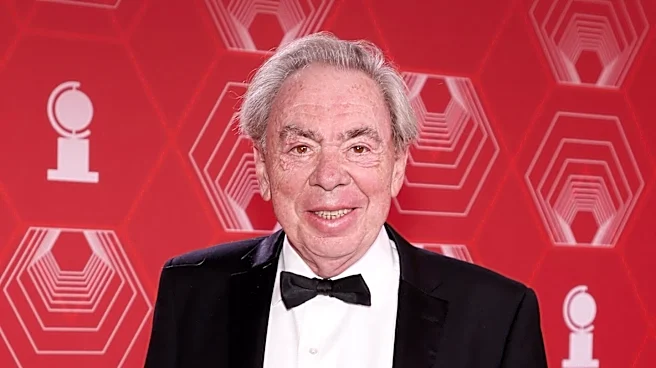
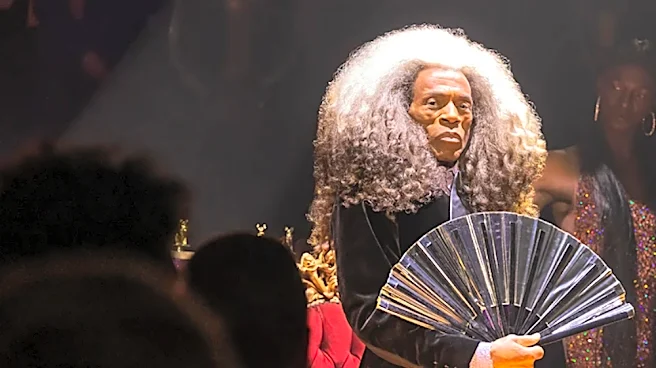
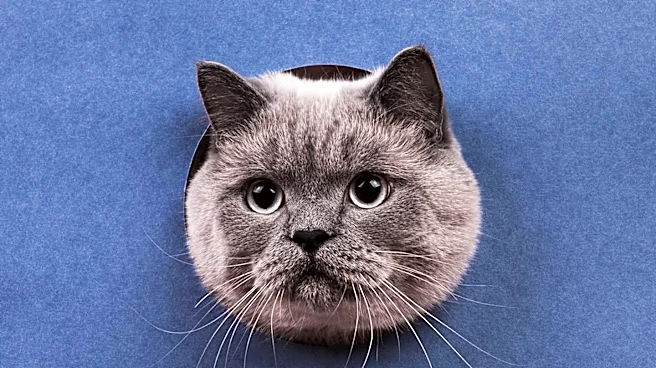
Andrew Lloyd Webber has expressed concern over the future of Broadway following the early closure of his revival, Cats: The Jellicle Ball. Despite receiving three Tony awards, the show will end its run after just five months due to high production costs
and insufficient financial returns. Lloyd Webber highlighted the financial challenges faced by new productions on Broadway, where high costs and minimal royalties for creators make it difficult to sustain new shows. He urged theater owners, unions, and producers to collaborate on solutions to prevent Broadway from becoming like Hollywood's empty soundstages.
Why It's Important?
The closure of Cats: The Jellicle Ball underscores the financial difficulties facing Broadway, particularly for new and innovative productions. While established hits remain profitable, the high costs associated with staging new shows threaten the creative and commercial viability of Broadway. This situation poses a risk to the cultural landscape of New York City, as Broadway is a significant contributor to the city's economy and cultural identity. The challenges highlighted by Lloyd Webber reflect broader issues in the theater industry, where financial barriers can stifle creativity and limit opportunities for emerging talent.
What's Next?
In response to these challenges, stakeholders in the theater industry may need to explore new business models and collaborative approaches to support the development of new productions. This could involve re-evaluating cost structures, increasing investment in innovative projects, and finding ways to share financial risks more equitably. Additionally, there may be a push for policy changes or public support to sustain Broadway's cultural contributions. As the industry navigates these challenges, the future of Broadway will depend on its ability to adapt and innovate in a rapidly changing cultural and economic landscape.