






What's Happening?
Sound healing is an increasingly popular method that employs vibrations from instruments, the human voice, or specific frequencies to foster physical, emotional, and spiritual well-being. This practice operates on the premise that the human body possesses
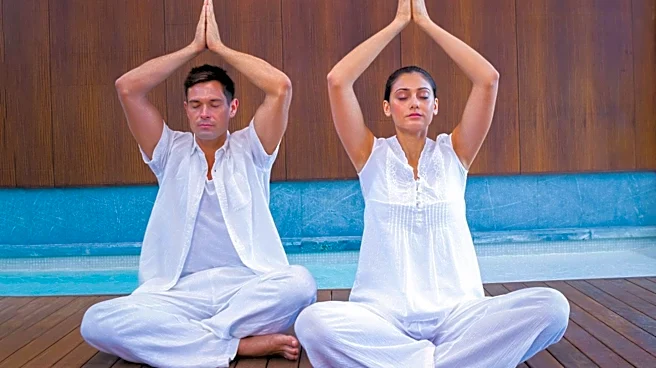
an energy field, or biofield, which can store stress as unsteady energy patterns. Practitioners use tools like tuning forks to introduce clear, steady vibrations into this biofield. The goal is to help the body's natural intelligence rebalance itself by encouraging unsteady energy waves to match the stable vibrations through a process called entrainment. This process aims to release stored tension and allow the nervous system to return to a more balanced state. Sessions typically involve individuals lying down while a practitioner moves a tuning fork through their energy field, listening and feeling for areas of 'static' or choppy vibrations. The sound of the fork changes as the body begins to entrain with the steady vibration, indicating a release of stored tension. The growing interest in such mind-body practices is evidenced by the increased adoption of activities like yoga and meditation in the U.S.
Why It's Important?
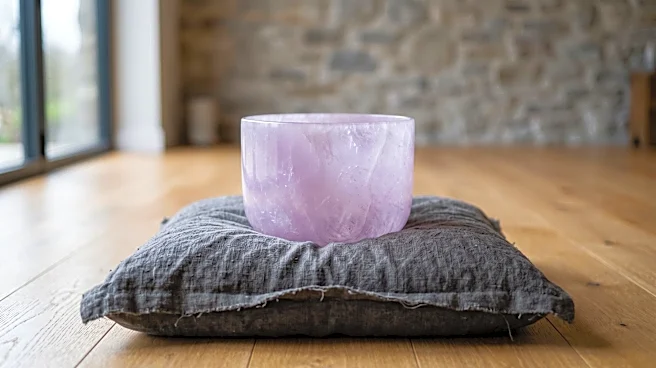
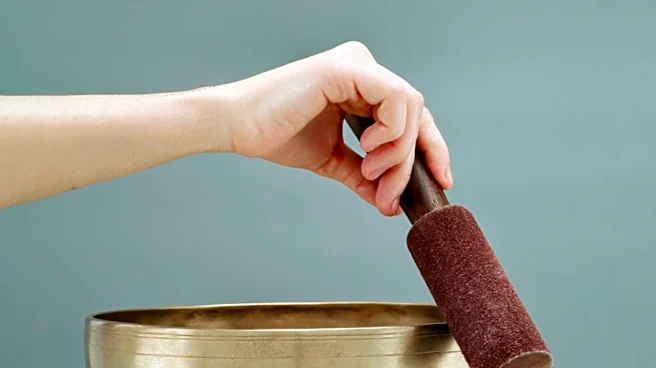
The rising adoption of sound healing and similar mind-body practices highlights a significant societal shift towards alternative and complementary therapies for stress management and overall well-being in the U.S. As modern life contributes to chronic stress and nervous system dysregulation, individuals are actively seeking methods beyond conventional medicine to achieve calm and balance. This trend impacts the wellness industry, creating demand for trained practitioners, specialized instruments like tuning forks and crystal singing bowls, and dedicated healing spaces. The emphasis on the body's biofield and its ability to store stress offers a different perspective on health, potentially influencing how individuals approach self-care and mental health. For those experiencing persistent stress, sound healing offers a non-invasive approach to potentially alleviate symptoms and improve quality of life, contributing to a broader public health discussion on holistic well-being. The increasing popularity also suggests a growing openness to ancient healing traditions and their integration into contemporary wellness routines.
What's Next?
The continued growth of sound healing is likely to lead to several developments. We can anticipate an expansion in the number of certified practitioners and training programs across the U.S., as demand for these services increases. Workshops and classes focusing on techniques like tuning fork therapy and crystal singing bowl instruction are becoming more prevalent, indicating a professionalization of the field. Further integration of sound healing into existing wellness modalities, such as yoga studios, meditation centers, and even some therapeutic settings, is also probable. As more people experience its benefits, there may be increased interest in scientific research to further validate the physiological and psychological effects of sound vibrations on the human body. This could lead to greater acceptance within mainstream healthcare as a complementary therapy. Additionally, the development of new sound healing tools and technologies, as well as remote session offerings, will likely continue to evolve, making these practices more accessible to a wider audience.
Beyond the Headlines
The growing embrace of sound healing reflects a deeper cultural yearning for holistic approaches to health that acknowledge the interconnectedness of mind, body, and spirit. This movement challenges conventional Western medical paradigms that often focus on symptom management rather than addressing underlying energetic imbalances. The concept of a 'biofield' and the idea that stress can be stored as energetic 'static' introduces a non-material dimension to health, prompting individuals to consider their well-being from a more subtle, vibrational perspective. This shift has ethical implications regarding the regulation and standardization of sound healing practices, ensuring qualified practitioners and safe environments. Legally, as these practices gain traction, there may be a need for clearer guidelines on their scope and claims. Culturally, it signifies a re-engagement with ancient wisdom traditions that have long understood the power of sound for healing, potentially fostering a more integrated and diverse understanding of health and wellness in American society.