






What's Happening?
El Elevador, a unique hotel located on the Atlantic island of El Hierro, has implemented an unconventional booking system requiring prospective guests to submit handwritten letters. This method, which bypasses digital booking engines and instant confirmations,
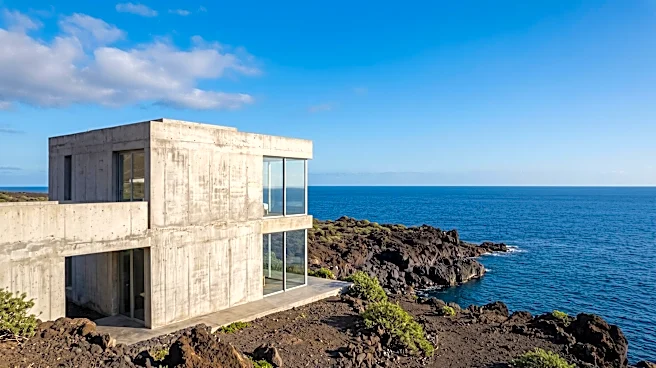
serves as a filter for intention, ensuring guests are genuinely drawn to the hotel's ethos. The property itself is a repurposed concrete pumping station, originally built in the 1960s by Juan Casañas to supply water to the fishing village of La Restinga. After falling into ruin, it was transformed by photographer Alberto del Hoyo Mora and Silvia Rodríguez, with architect Alejandro Beautell, into a single open-space accommodation. The hotel emphasizes a minimalist experience, devoid of Wi-Fi, television, and reliable mobile reception, instead offering a vintage typewriter, film camera, and a curated selection of books. This approach aligns with the concept of regenerative travel, focusing on the restoration and reuse of existing structures and promoting a deeper engagement with the destination.
Why It's Important?
El Elevador's model highlights a growing trend in the travel industry towards 'regenerative travel,' which prioritizes sustainability, conservation, and community empowerment. By requiring a handwritten letter for booking, the hotel creates a barrier to entry that filters for travelers seeking a more profound and intentional experience, moving away from mass tourism. This approach could influence the U.S. travel market by demonstrating the viability of niche, high-value tourism that emphasizes unique experiences over convenience. It also showcases how historical infrastructure can be revitalized for modern use, contributing to local economies and preserving cultural heritage. The hotel's commitment to a digital detox environment addresses a broader societal desire for disconnection and mindfulness, potentially inspiring similar initiatives in the U.S. hospitality sector. The focus on local resources, such as island wines and handmade knives, also supports local artisans and producers, fostering a more sustainable economic model.
What's Next?
The success of El Elevador's unique booking and hospitality model could inspire other destinations and accommodations, including those in the U.S., to explore similar regenerative travel initiatives. We may see a rise in properties that prioritize intentional engagement, historical preservation, and digital disconnection. The travel industry might further develop specialized categories for such experiences, moving beyond traditional luxury or eco-tourism labels. There could be increased investment in transforming disused infrastructure into unique lodging options, contributing to urban and rural revitalization efforts. Additionally, the emphasis on local sourcing and community integration could become a more prominent feature in hospitality, encouraging travelers to support regional economies directly. The concept of 'hushpitality' and analog revival, as noted in industry reports, suggests a growing market for these types of experiences, potentially leading to more widespread adoption of similar practices.
Beyond the Headlines
El Elevador's approach delves into the deeper psychological and cultural implications of travel. By removing digital distractions and demanding a more deliberate booking process, it encourages introspection and a heightened awareness of one's surroundings. This challenges the prevailing culture of instant gratification and constant connectivity, suggesting that effort and patience can lead to more rewarding experiences. The hotel's design, which repurposes a utilitarian structure, also speaks to the ethical dimension of sustainability, advocating for reuse over new construction. The emphasis on analog activities like letter writing and film photography taps into a broader societal yearning for tangible, slower forms of engagement, potentially fostering a renewed appreciation for craftsmanship and thoughtful communication. This model could influence how we perceive 'luxury' in travel, shifting it from opulent amenities to authentic experiences, meaningful connections, and a sense of place.