






What's Happening?
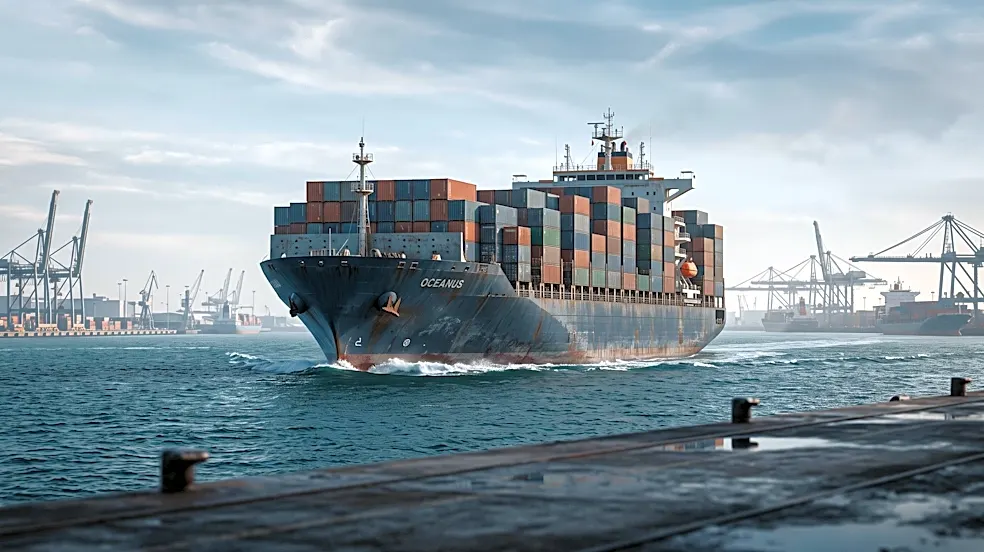
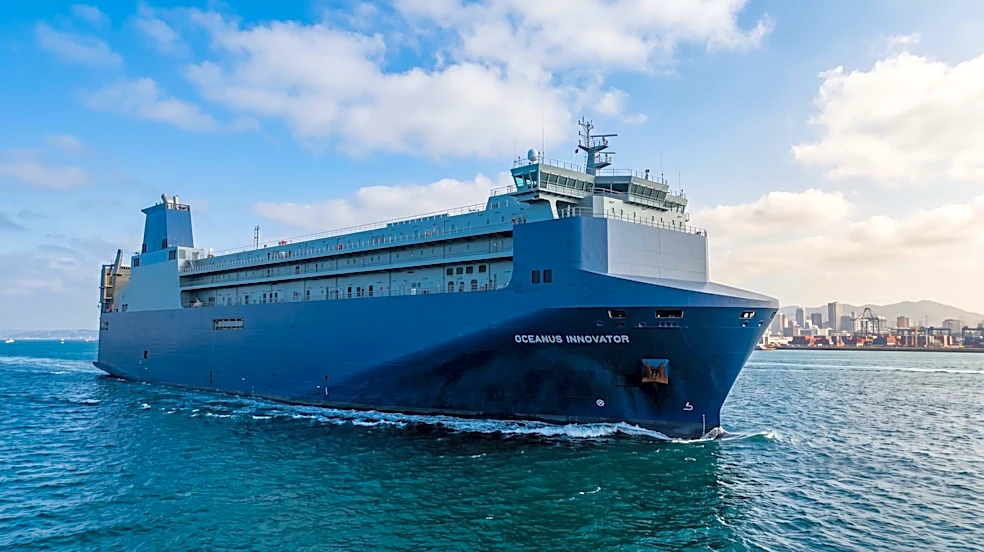
The maritime shipping industry is experiencing a renewed interest in nuclear propulsion as a solution to curb emissions and reduce dependence on traditional bunker fuel. This shift is driven by intensifying scrutiny on global shipping to lower carbon
footprints and the economic trade-offs associated with alternative fuels. Nuclear technology, once considered a relic, is now undergoing structured evaluation by leading shipowners, technology firms, classification societies, and governments. The conversation has moved beyond mere technical feasibility to focus on the complex interplay between reactor designers, shipowners, insurers, and port authorities. The potential for ships to operate for extended periods without conventional refueling, thereby stabilizing operating costs and lowering carbon intensity, is a significant draw. However, the commercial viability hinges on navigating intricate regulatory, liability, and financial frameworks, with port acceptance and insurance emerging as critical determinants.
Why It's Important?
The re-emergence of nuclear propulsion in commercial shipping holds significant implications for global trade, environmental policy, and energy markets. If successfully implemented, it could drastically reduce the shipping industry's carbon emissions, contributing to international climate goals and potentially altering the demand for fossil fuels in maritime transport. For U.S. industries, this could mean new opportunities in nuclear technology development, shipbuilding, and specialized port infrastructure. However, it also presents challenges related to regulatory harmonization, safety protocols, and liability frameworks that would need to be established or updated. The involvement of insurers is crucial, as they will need to define realistic worst-case scenarios and allocate legal responsibilities, which will directly impact the commercial feasibility and widespread adoption of nuclear-powered vessels. The success of this initiative could reshape global supply chains by offering more stable and environmentally friendly shipping options.
What's Next?
The next five years will be crucial in determining whether nuclear shipping transitions from a theoretical concept to operational reality. Key milestones to watch include the construction of the first demonstration vessel, the codification of classification and regulatory standards, the establishment of defined international liability frameworks, and the development of port-level acceptance protocols. Active engagement from insurers and reinsurers will also be a significant indicator of progress. Proactive collaboration between developers and port authorities is essential, as port acceptance is a prerequisite for commercial viability. Insurers need to be involved early in the design and contracting phases to ensure that the technology, operational integrity, and emergency response frameworks are insurable. Decisions made now regarding reactor operation, ownership models, and trading routes will ultimately influence the commercial insurability and widespread adoption of nuclear propulsion in the maritime sector.
Beyond the Headlines
The revival of nuclear shipping extends beyond technological and economic considerations, touching upon profound ethical, legal, and geopolitical dimensions. The public perception of nuclear technology, especially in the context of commercial shipping, will play a critical role in its acceptance. Concerns about safety, emergency response, and environmental exposure in the event of an incident will require transparent communication and robust regulatory oversight. Legally, existing marine insurance frameworks are not equipped for widespread commercial nuclear propulsion, necessitating a re-evaluation of how nuclear liability interacts with maritime liability and how risks are distributed among stakeholders. Geopolitically, the acceptance of nuclear-powered vessels in various ports worldwide will depend on international agreements and national policies, potentially creating new diplomatic challenges or opportunities. The long-term shift could lead to a more resilient and sustainable global shipping industry, but it also demands a comprehensive approach to address the multifaceted implications of integrating nuclear energy into commercial maritime operations.