








What's Happening?
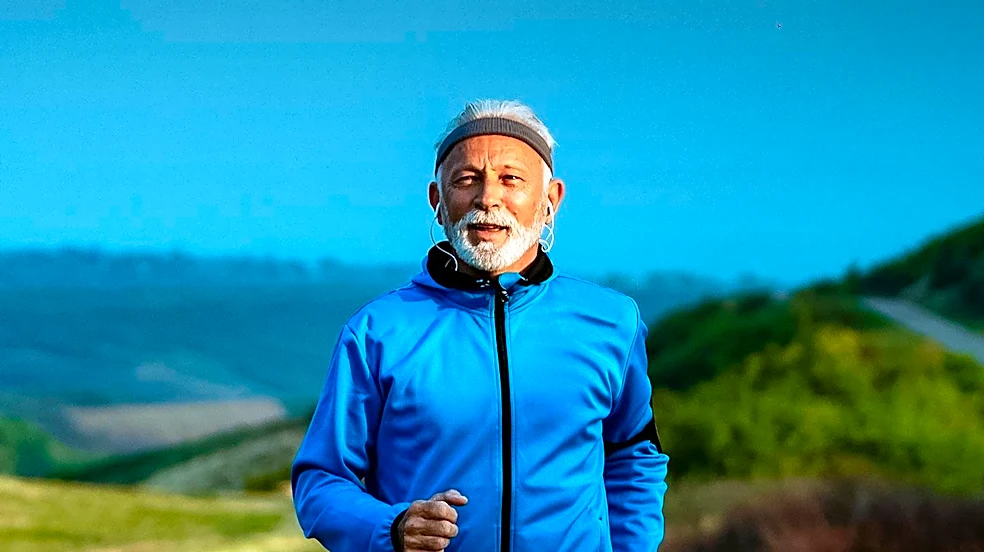
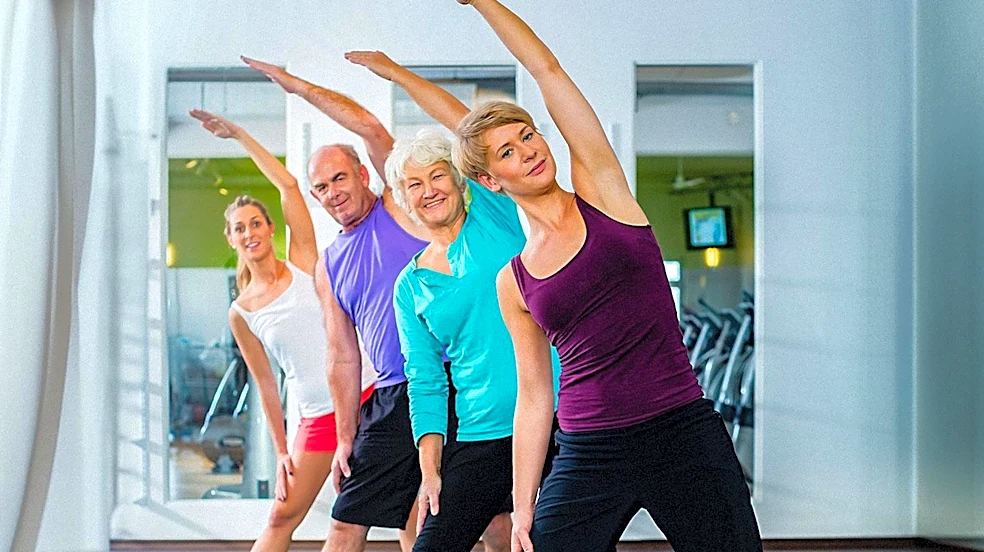
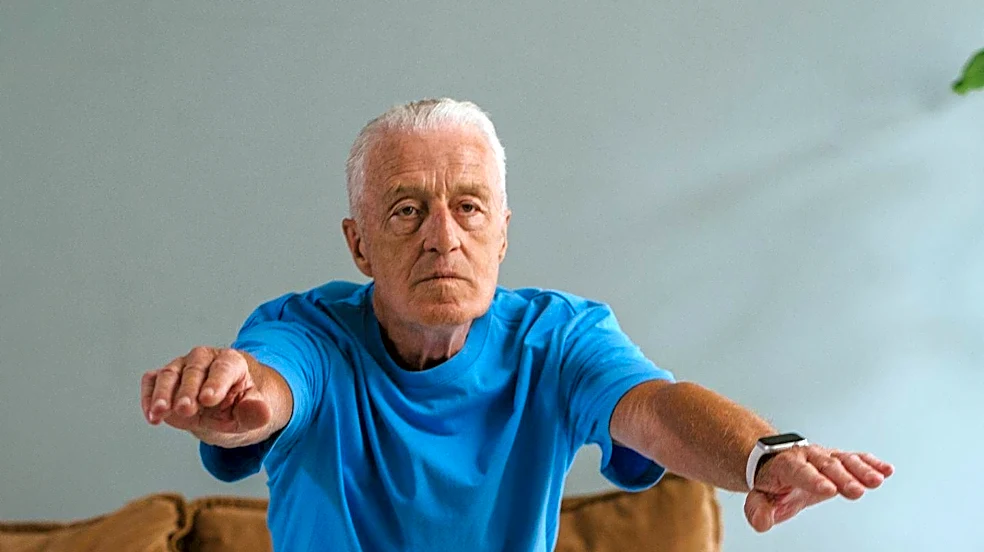
Healthy aging involves a holistic approach that extends beyond managing existing health problems, focusing instead on proactive measures to maintain physical, mental, and emotional well-being. Key components include adopting a balanced diet rich in fruits,
vegetables, whole grains, lean proteins, and low-fat dairy, while limiting foods high in sugar, salt, and unhealthy fats. Physical activity is crucial for maintaining muscle and bone strength, improving balance, and supporting independence in daily activities. Mental engagement through reading, puzzles, games, and learning new skills, alongside social interaction with friends and family, is vital for cognitive health and emotional connection. Regular medical check-ups, vaccinations, and health screenings, as well as diligent management of chronic conditions like high blood pressure and diabetes, are also essential. Dental and eye care are highlighted as important aspects of overall health maintenance. The emphasis is on building sustainable healthy habits tailored to individual needs and abilities, recognizing that even small, consistent steps can significantly contribute to a better quality of life as one ages.
Why It's Important?
The focus on healthy aging is important for U.S. society as it addresses the growing demographic of older adults and aims to enhance their quality of life and independence. By promoting preventative health measures and lifestyle adjustments, it can potentially reduce the burden on the healthcare system associated with age-related chronic diseases. Individuals stand to gain improved physical and cognitive function, greater autonomy, and enhanced social connections, leading to a more fulfilling later life. Economically, a healthier aging population can remain active in the workforce longer, contribute to their communities, and potentially lower long-term care costs. Conversely, neglecting these aspects can lead to increased healthcare expenditures, reduced productivity, and a decline in the overall well-being of older Americans. The emphasis on personalized habits acknowledges the diverse needs within the aging population, making these recommendations broadly applicable and impactful across various socioeconomic groups.
What's Next?
The ongoing promotion of healthy aging principles will likely involve continued public health campaigns and educational initiatives aimed at encouraging older adults and those approaching old age to adopt these lifestyle changes. Healthcare providers are expected to integrate these holistic recommendations into patient consultations, emphasizing preventative care and personalized health plans. There may be an increased focus on community programs that support physical activity, mental stimulation, and social engagement for seniors. Research will likely continue to explore the most effective strategies for healthy aging, potentially leading to updated guidelines and new interventions. Policy discussions might also emerge regarding support systems for older adults, such as access to nutritious food, safe environments for physical activity, and affordable healthcare services, to facilitate the adoption and maintenance of these healthy habits across diverse populations.
Beyond the Headlines
Beyond the immediate health benefits, the emphasis on healthy aging touches upon deeper societal and cultural implications. It challenges traditional perceptions of aging as a period of inevitable decline, instead framing it as an opportunity for continued growth and contribution. This shift can foster a more age-inclusive society that values the experience and wisdom of older generations. Ethically, it raises questions about equitable access to resources and information necessary for healthy aging, particularly for underserved communities. Culturally, it may influence how individuals plan for their later years, encouraging a proactive approach to health and well-being rather than a reactive one. The long-term shift could lead to a re-evaluation of retirement norms, with more individuals choosing to remain engaged in various capacities, thereby enriching society as a whole and potentially redefining the concept of 'old age' in the U.S.