







What's Happening?
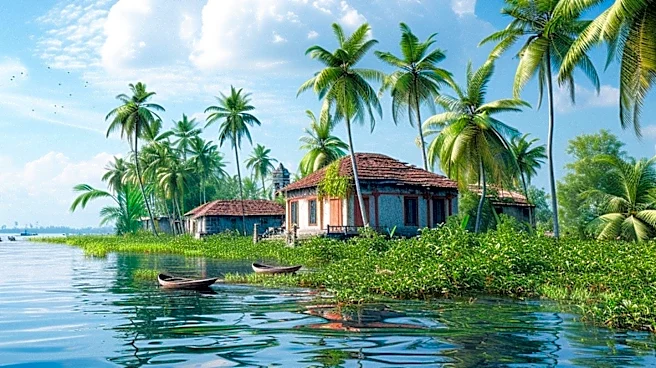
Ecotourism in Kerala, India, is increasingly focusing on community-based initiatives that integrate local experiences with environmental and cultural preservation. This approach allows travelers to engage directly with local communities through village
homestays, authentic cuisine, and participation in traditional skills and crafts. The Responsible Tourism Mission in Kerala supports these programs, ensuring that tourism revenue directly benefits local families, artisans, farmers, and fishermen. Examples include Kumbalangi, recognized as India’s first model tourism village, which showcases how tourism can strengthen communities without altering their way of life, and Wayanad, where tribal communities offer programs that respect their cultural identity while providing sustainable income. These initiatives aim to offer a deeper understanding of everyday life in Kerala beyond conventional tourist attractions.
Why It's Important?
This model of ecotourism is significant because it shifts the economic benefits of tourism from large hospitality businesses to local communities, fostering sustainable rural development. By supporting education, healthcare, and infrastructure improvements, it helps preserve traditional occupations and cultural heritage. For travelers, it offers a more authentic and meaningful experience, allowing them to connect with local people and traditions. This approach also encourages responsible travel, minimizing environmental impact and promoting conservation efforts, as seen in places like Thekkady, where former forest-dependent communities now serve as eco-guides. The success of these programs positions Kerala as a leading example of responsible travel, demonstrating how tourism can create lasting value for both visitors and host communities.
What's Next?
The continued growth of community tourism in Kerala suggests a trend towards more meaningful and responsible travel experiences. Travelers are increasingly seeking opportunities to interact with local cultures, support sustainable initiatives, and reduce their environmental footprint. This demand is likely to encourage more rural communities to develop similar tourism programs, further integrating cultural preservation and environmental conservation with economic development. Future developments may include expanded offerings of village homestays, specialized cultural heritage tours, and eco-friendly activities. The emphasis on direct booking with local communities or trusted specialists will likely increase to maximize economic benefits for host families and ensure authentic experiences, reinforcing Kerala's position as a leader in responsible tourism.
Beyond the Headlines
The Kerala ecotourism model highlights a broader global shift towards ethical and sustainable tourism practices. It underscores the idea that tourism can be a powerful tool for community empowerment and cultural preservation, rather than just a source of revenue. This approach challenges the traditional tourism paradigm by prioritizing genuine cultural exchange and environmental stewardship over mass tourism. The success of these initiatives could inspire other regions to adopt similar models, fostering a more equitable and sustainable global tourism industry. It also raises important questions about the role of travelers in supporting local economies and preserving cultural identities, encouraging a more conscious and responsible approach to travel.