







What's Happening?
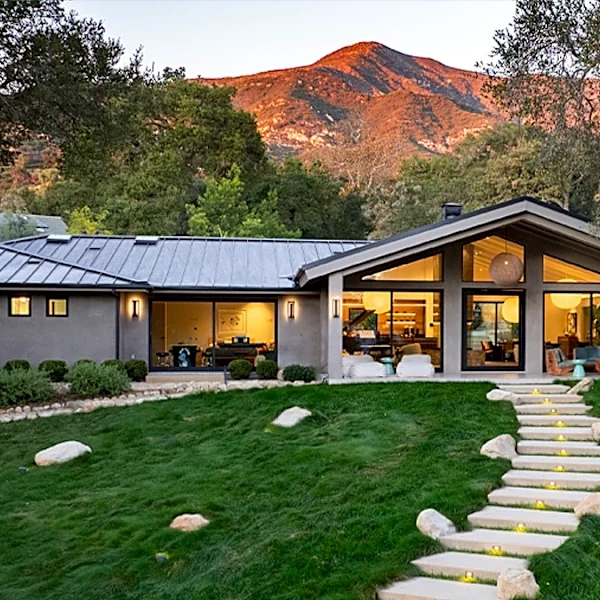
Jeff and Jennifer Feece, residents of Rochester, Minnesota, have spent the last 26 years converting their standard city lot into a thriving native plant garden. Jeff Feece, a park planner for the city, was initially drawn to meadows and prairies, which
led him to incorporate ornamental grasses and perennials. Over time, his vision evolved to focus on restoring wildlife habitat by selecting plants that directly benefit local insects, birds, and other wildlife. The garden, which is slightly over one-tenth of an acre, now features a diverse mix of native species, including shrubs and trees, moving beyond the initial focus on herbaceous perennials. This transformation also aims to improve water quality and recharge groundwater through native plantings and rain gardens. The Feece's garden demonstrates a shift from traditional landscaping to an ecological approach, providing a safe haven for pollinators and other creatures.
Why It's Important?
This initiative in Rochester highlights a growing trend in urban and suburban areas to combat habitat loss and promote biodiversity. The Feece's garden serves as a practical example of how individual homeowners can contribute to ecological restoration on a local scale. By replacing traditional lawns with native plants, they are directly supporting pollinator populations, which are crucial for agriculture and ecosystem health. The emphasis on improving water quality and recharging groundwater also addresses broader environmental concerns, demonstrating how residential landscaping choices can have positive impacts on local hydrology. This approach can inspire other communities and individuals to adopt similar practices, fostering a network of interconnected habitats that benefit wildlife and enhance environmental resilience in urbanized landscapes. The project also underscores the educational value of such endeavors, as the Feece's experience can inform and guide others interested in native gardening.
What's Next?
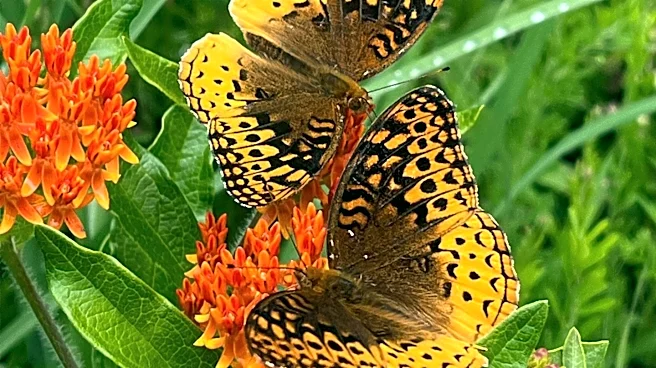
The Feece's project is likely to continue evolving as they observe nature's processes and make occasional adjustments to their garden. Their experience, including the trial-and-error approach to selecting native species, offers valuable lessons for others. Jeff Feece recommends starting with research into plants suitable for specific site conditions and being patient, as nature takes time. He also advises against using generic wildflower seed mixes, which often contain non-native species. The success of their garden in attracting a wide variety of wildlife, including native bees, hummingbirds, butterflies, and various beneficial insects, suggests that their efforts will continue to yield positive ecological outcomes. The existence of a website dedicated to their garden indicates a desire to share their knowledge and inspire further native planting initiatives within the community and beyond.
Beyond the Headlines
The transformation of the Feece's yard into a native plant garden reflects a deeper cultural shift towards environmental consciousness and a re-evaluation of traditional aesthetic norms in landscaping. It challenges the conventional idea of a manicured lawn as the ideal, promoting instead a more biodiverse and ecologically functional space. This movement has ethical implications, as it acknowledges human responsibility to mitigate the impact of development on natural ecosystems and support the survival of local wildlife. Legally, such initiatives could influence future zoning laws or homeowner association regulations regarding landscaping, potentially encouraging or even requiring native plant usage. Culturally, it fosters a stronger connection between individuals and their local environment, encouraging observation, learning, and a sense of stewardship. The long-term shift could lead to more resilient urban ecosystems, improved public health through better air and water quality, and a richer experience of nature within residential areas.