







What's Happening?
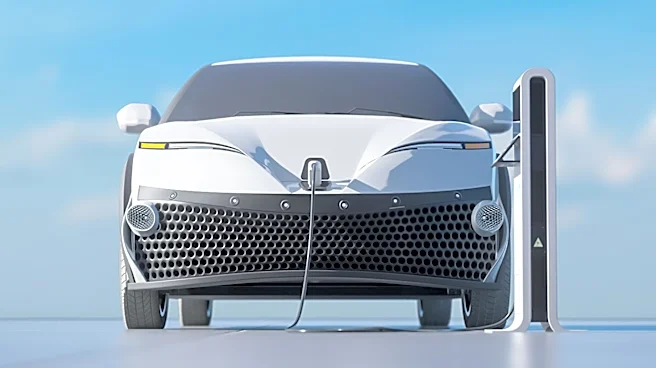
CATL, a major player in energy storage, is set to revolutionize the electric vehicle (EV) market with its new sodium-ion batteries. These batteries, made from more abundant and cheaper materials than traditional lithium-ion batteries, are expected to be
a game-changer. The sodium-ion batteries retain 90% capacity even at extreme temperatures of -40°C, making them suitable for a wide range of climates. This development could significantly reduce the cost of EVs and home energy storage, as sodium is more readily available than lithium. The Changan Nevo AO6 model, featuring these batteries, is expected to launch later this year, marking the first mass-produced EV with sodium-ion technology.
Why It's Important?
The introduction of sodium-ion batteries could disrupt the current lithium-dominated battery market. As these batteries are cheaper to produce, they could lower the cost of EVs, making them more accessible to a broader audience. This shift could also reduce reliance on lithium, a critical mineral with a high environmental and geopolitical cost. Sodium-ion batteries offer a safer alternative, as they generate less heat and are less prone to catching fire. This innovation could lead to a more sustainable and resilient energy storage solution, impacting not only the automotive industry but also grid and home energy storage sectors.
What's Next?
As sodium-ion technology advances, it is expected to gain traction in various applications beyond EVs, including grid storage and home energy systems. The potential for these batteries to become a mainstream alternative to lithium-ion could lead to further research and development, driving down costs and improving performance. Companies like CATL are likely to continue investing in this technology, potentially leading to partnerships and collaborations with automakers and energy providers. The success of sodium-ion batteries could also prompt regulatory changes and incentives to support their adoption.