


What's Happening?
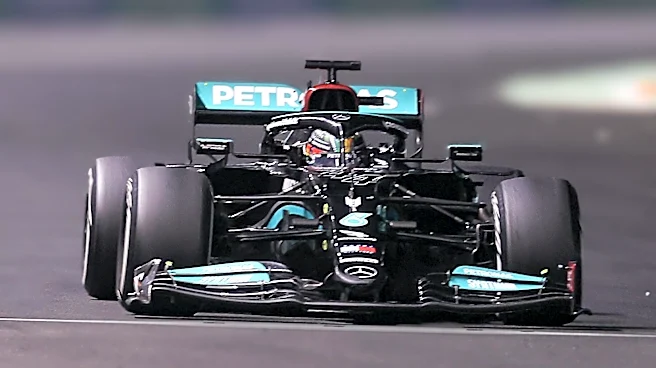
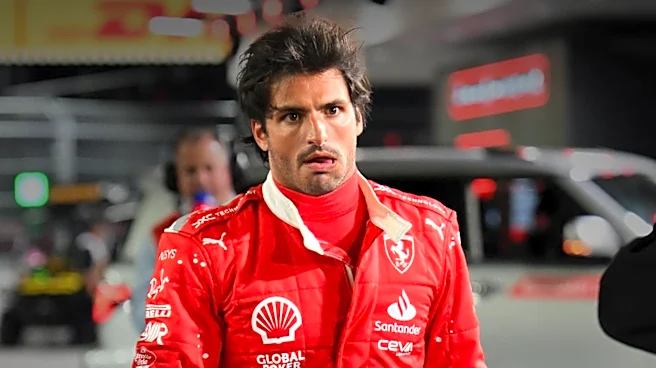
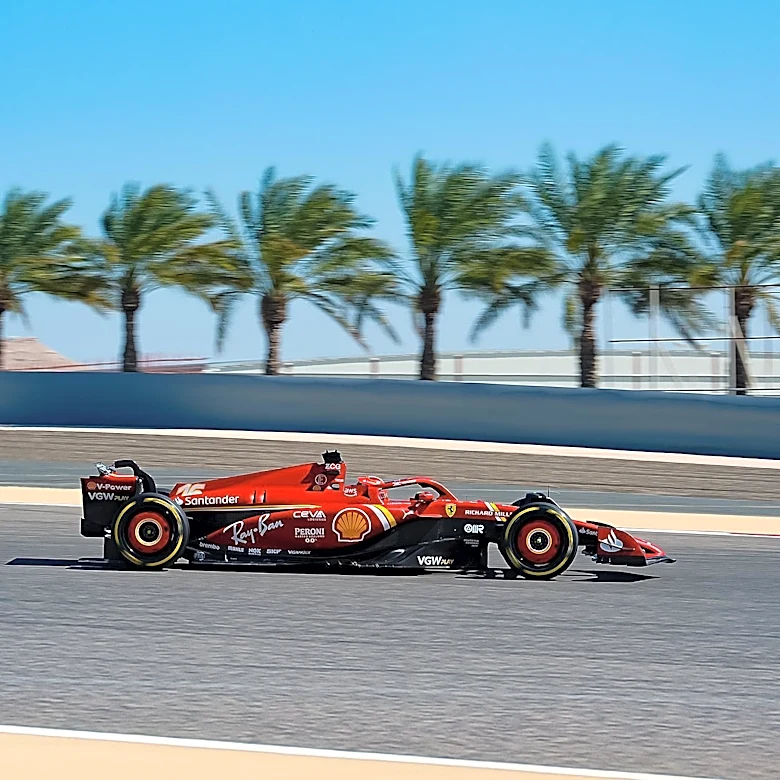
Carlos Sainz has recounted the "shocking" moment he learned in 2024 that Lewis Hamilton would replace him at Ferrari for the 2025 Formula 1 season. Sainz, who had been in contract extension talks with Ferrari since October, had no suspicion that another
driver was being considered. He described receiving a phone call at the end of January with the news, which left him completely surprised, as he had believed he would remain with Ferrari for a longer period. This unexpected development forced Sainz to explore opportunities with other teams, eventually leading him to join Williams.
Why It's Important?
This account from Carlos Sainz provides a candid look into the often-unpredictable nature of driver contracts and team decisions in Formula 1, a sport with significant U.S. viewership and investment. It highlights the intense pressure and high stakes involved for drivers, whose careers can be dramatically altered by sudden team changes. For fans and stakeholders, it underscores the competitive and sometimes ruthless business side of F1, where even successful drivers can be replaced by more high-profile talents. Sainz's experience also sheds light on the emotional impact of such decisions on athletes, demonstrating how they must quickly adapt to unexpected career shifts and prove their value elsewhere.
What's Next?
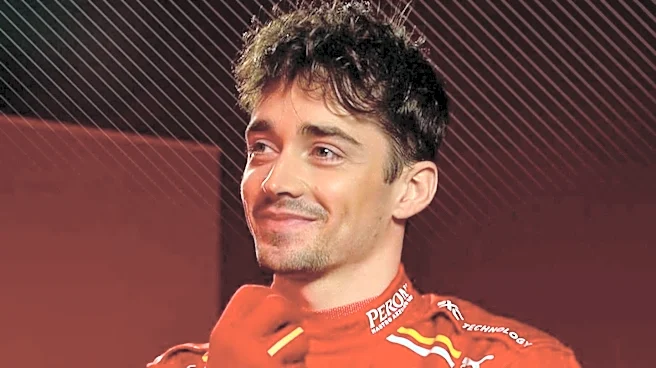
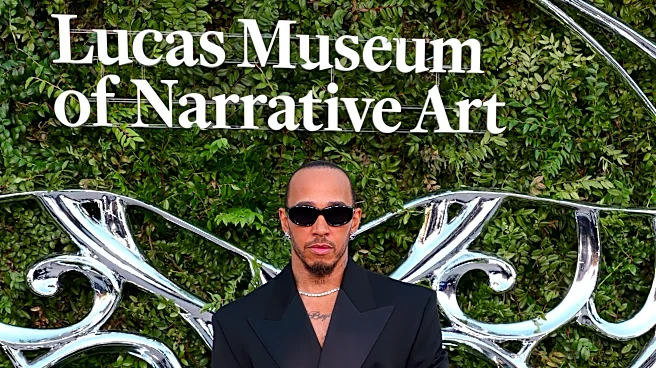
Sainz's move to Williams for the 2025 season is now confirmed, and his focus will be on helping the team improve its performance under the new regulations. His experience at Ferrari and his determination to prove his worth will be crucial for Williams. The narrative of his unexpected departure from Ferrari will likely fuel his motivation, making his performance at Williams a key storyline to follow. Meanwhile, Lewis Hamilton's transition to Ferrari will be closely scrutinized, with Sainz's comments adding another layer of context to the high-profile driver swap and its ripple effects across the F1 grid.
Beyond the Headlines
Sainz's 'shocking' experience reflects a deeper aspect of professional sports: the constant tension between individual ambition and organizational strategy. Even when an athlete performs well, team decisions can be driven by broader commercial, marketing, or long-term strategic considerations, as seen with Ferrari's move to sign a global icon like Lewis Hamilton. This situation raises questions about loyalty, job security, and the human cost of high-stakes corporate decisions in sports. It also highlights the resilience required of athletes to navigate such setbacks and transform them into opportunities for growth and renewed determination, ultimately shaping their legacy and impact on the sport.