




What's Happening?
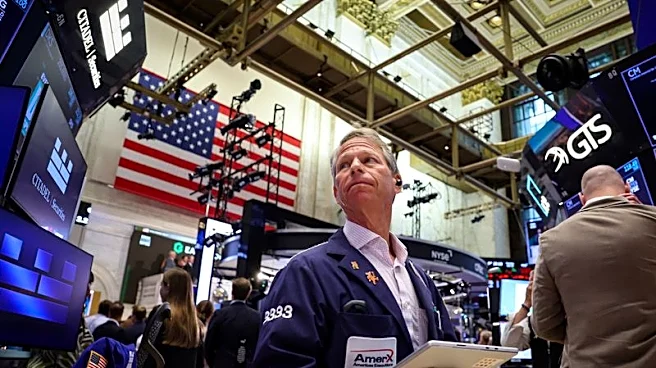
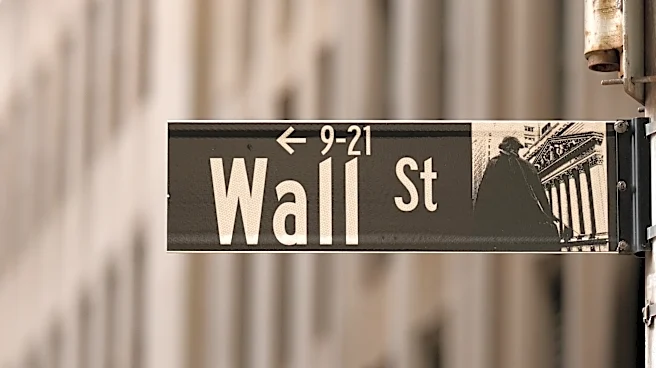
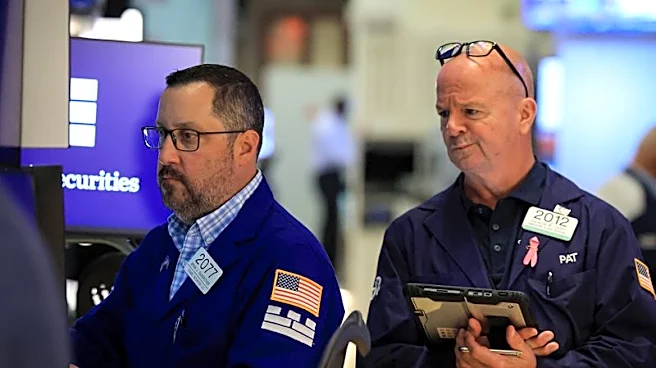
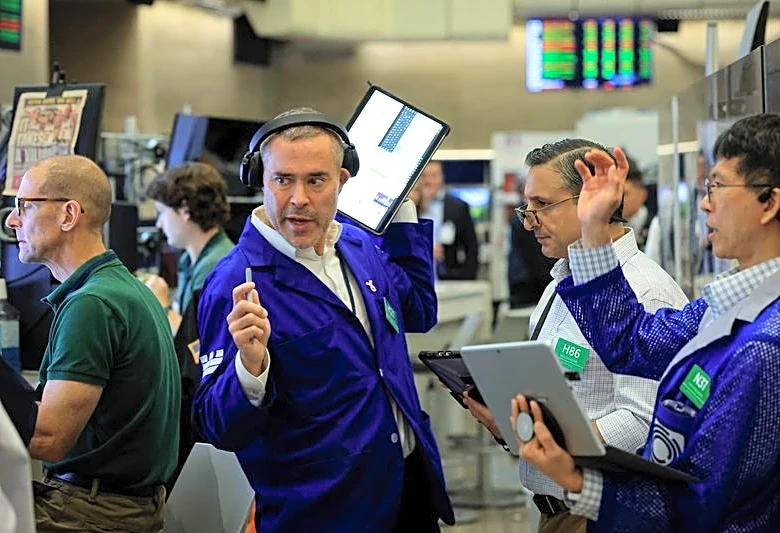
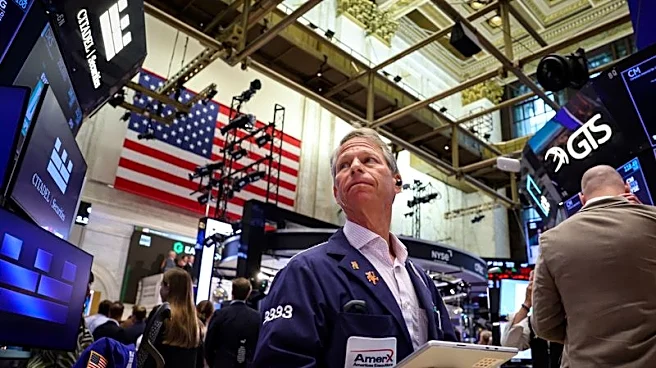
The Dow Jones Industrial Average experienced a significant rise, climbing over 500 points, or 1.1%, driven by a series of positive earnings reports from major companies. This surge occurred despite the tech-heavy Nasdaq Composite facing its fifth consecutive
day of declines. The S&P 500 also saw a modest increase of about 0.25%. Key contributors to the Dow's performance included Coca-Cola and Sherwin-Williams, both of which reported better-than-expected earnings. Boeing also saw a rally following strong second-quarter results, particularly in free cash flow. In contrast, several major tech stocks, particularly those involved in AI, such as Sandisk, Dell, and AMD, experienced significant declines, ranging from 7% to 15%. This reflects a broader trend of volatility within the AI sector, as investors reassess the sustainability of recent gains.
Why It's Important?
The current market dynamics highlight a shift in investor sentiment, with traditional blue-chip stocks gaining favor over high-flying tech stocks. This shift is significant as it suggests a potential rebalancing of portfolios away from speculative tech investments towards more stable, earnings-driven companies. The volatility in AI stocks underscores the risks associated with rapid price increases and the potential for sharp corrections. For investors, this could mean a reevaluation of risk tolerance and investment strategies, particularly in sectors that have seen rapid growth. Additionally, the strong performance of non-tech stocks may indicate a broader economic resilience, as companies outside the tech sector continue to deliver robust financial results.
What's Next?
Looking ahead, the market will be closely watching upcoming earnings reports from major companies like Visa, Ford Motor, and Cheesecake Factory, which could further influence market trends. Additionally, the Federal Reserve's upcoming policy decisions, particularly regarding interest rates, will be a key focus for investors. While no major economic data releases are expected immediately, the possibility of a rate hike in September remains a topic of speculation. This could impact market sentiment and investment strategies, particularly if the Fed signals a shift in monetary policy.