

What's Happening?
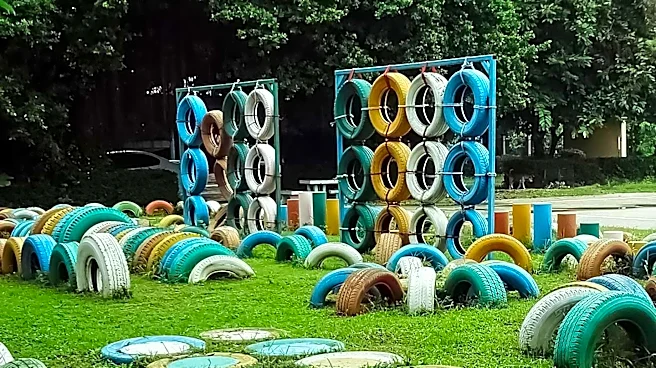
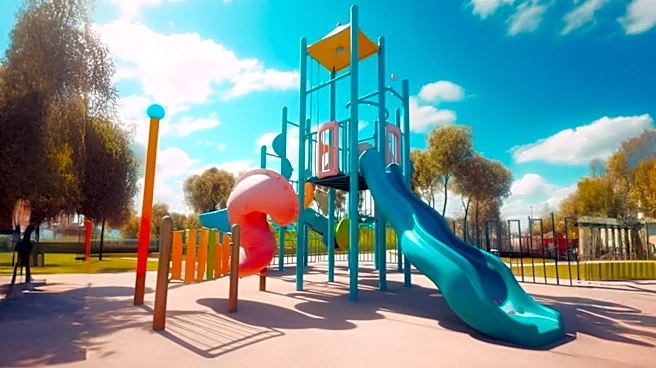
The concept of 'play' in design and public spaces is being re-evaluated as a means to encourage creativity and social interaction. Designers and artists are exploring how play can be integrated into architecture and public spaces to invite unusual behavior
and engagement. Projects that incorporate playfulness challenge traditional norms and encourage people to interact with their environment in new ways. This approach highlights the potential for design to create spaces that are not only functional but also engaging and dynamic.
Why It's Important?
Integrating play into design has significant implications for urban planning and community development. By encouraging interaction and creativity, playful designs can enhance the quality of life and foster a sense of community. This approach can also challenge conventional design norms, leading to more innovative and inclusive public spaces. The emphasis on play highlights the importance of considering human behavior and social dynamics in design, potentially influencing future architectural and urban planning practices.
Beyond the Headlines
The exploration of play in design raises questions about the role of public spaces in society and how they can be used to promote social interaction and well-being. It challenges the traditional view of design as purely functional, suggesting that spaces can also be sites of creativity and engagement. This perspective may lead to a broader rethinking of how cities are designed and the role of public spaces in fostering community and cultural expression.