







What's Happening?
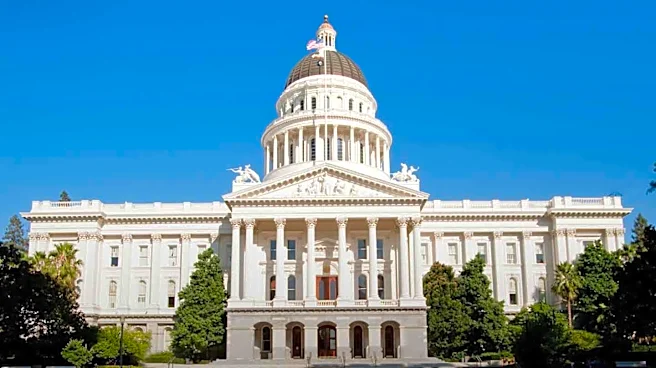
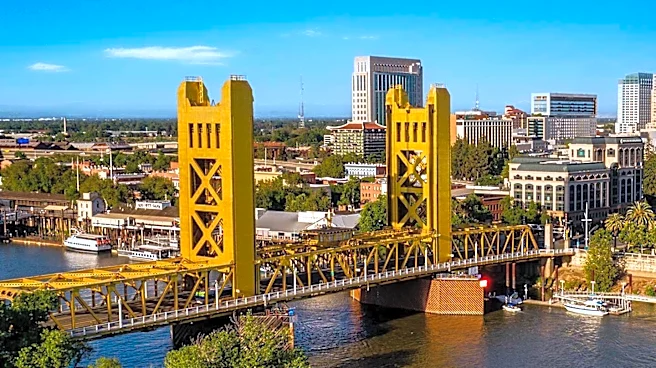
Sacramento tourism officials are shifting their strategy to attract more visitors by highlighting the city's cultural attractions, diverse communities, local restaurants, and rich history, moving beyond reliance on major events. This new focus was a central
theme at a recent cultural tourism summit, which brought together local artists, historians, and tourism professionals to strategize on how to present Sacramento's unique narrative to a wider audience. While Sacramento currently draws over 15 million visitors annually, largely due to events like Aftershock and the California International Marathon, tourism leaders aim to showcase year-round attractions. Sonya Bradley of Visit Sacramento emphasized the goal is to encourage visitors to explore more of the city and foster repeat visits. Key attractions include museums and historic sites like the California State Railroad Museum, Sutter's Fort, and the Crocker Art Museum, which offer insights into the region's history beyond its Gold Rush origins.
Why It's Important?
This strategic shift is important for Sacramento's economic development and cultural identity. By emphasizing its unique cultural, historical, and culinary assets, the city aims to create a more sustainable and diverse tourism economy, reducing its dependence on seasonal or event-driven visitation. This approach can lead to increased revenue for local businesses, artists, and cultural institutions throughout the year, fostering economic stability and growth. Promoting the city's Indigenous and immigrant communities through art and history also serves to celebrate and preserve Sacramento's diverse cultural heritage, offering authentic experiences that differentiate it from other California destinations. This strategy seeks to attract visitors seeking deeper, more immersive experiences, potentially drawing a broader demographic of tourists interested in cultural enrichment and local authenticity.
What's Next?
Sacramento tourism officials will continue to promote the city's cultural, historical, and culinary offerings through various marketing initiatives. Events like the annual Archives Crawl, which provides public access to historical documents and artifacts, are part of this ongoing effort to engage visitors with the city's past. The focus will be on showcasing locally owned restaurants and unique cultural experiences that appeal to those seeking an authentic 'local' experience. Collaboration between tourism bodies, local artists, historians, and community leaders will be crucial to effectively communicate Sacramento's story. The success of this strategy will be measured by increased visitor numbers outside of major event periods, longer stays, and positive word-of-mouth referrals, ultimately aiming to establish Sacramento as a year-round cultural destination.
Beyond the Headlines
This initiative reflects a broader trend in urban tourism, where cities are increasingly leveraging their unique cultural narratives and local authenticity to attract visitors, moving away from generic attractions. It highlights the growing demand for experiential travel, where tourists seek genuine connections with a destination's history, people, and local life. Ethically, this approach can empower local communities, particularly Indigenous and immigrant groups, by providing platforms to share their stories and contribute to the city's economic prosperity. It also encourages the preservation of historical sites and cultural practices. Culturally, it fosters a stronger sense of local pride and identity, as residents see their heritage valued and showcased. This strategy could also inspire other cities to explore and promote their unique cultural assets as a means of sustainable tourism development and community enrichment.