





What's Happening?
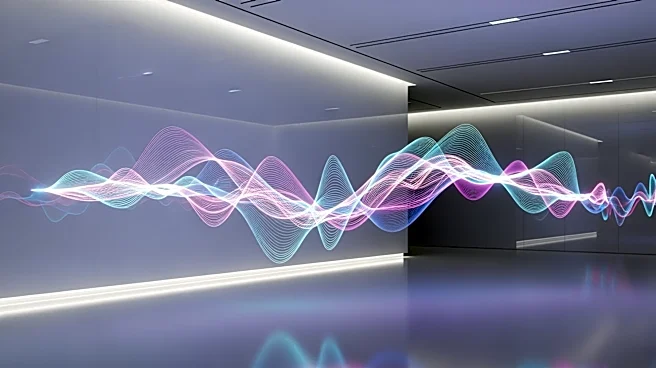
Refik Anadol has launched Dataland, the world's first AI art museum, in Downtown Los Angeles. The museum, located in the Frank Gehry-designed Grand LA development, offers an immersive experience that combines art, technology, and nature. Visitors are
taken on a journey through various environments, such as the Amazon rainforest, using AI-driven installations. The museum aims to explore the intersection of human connection and artificial intelligence, featuring exhibits that respond to visitors' physical reactions and biodata.
Why It's Important?
Dataland represents a significant innovation in the art world, showcasing how technology can enhance artistic expression and audience engagement. It challenges traditional museum experiences by integrating AI and interactive elements, potentially setting a new standard for future art exhibitions. The museum also highlights the role of artists in shaping conversations about AI and its impact on society. This development could influence how cultural institutions approach technology and audience interaction, driving further investment in tech-driven art projects.
What's Next?
As Dataland opens its doors, it may inspire other museums and cultural institutions to incorporate AI and interactive technologies into their exhibits. The museum's success could lead to collaborations with tech companies and artists, expanding the possibilities for digital art. Additionally, Dataland's approach to visitor engagement might influence how museums design their spaces and curate experiences, prioritizing interactivity and personalization. The museum's impact on the art world and its potential to attract tourists could also contribute to the cultural and economic revitalization of Downtown Los Angeles.
Beyond the Headlines
Dataland's opening raises questions about the ethical implications of using AI in art, particularly regarding data privacy and the commercialization of personal experiences. The museum's for-profit model and use of visitor biodata may spark debates about the balance between innovation and privacy. Furthermore, the integration of AI in art could lead to discussions about the role of technology in creative processes and the potential for AI to influence artistic expression and cultural narratives.