




What's Happening?
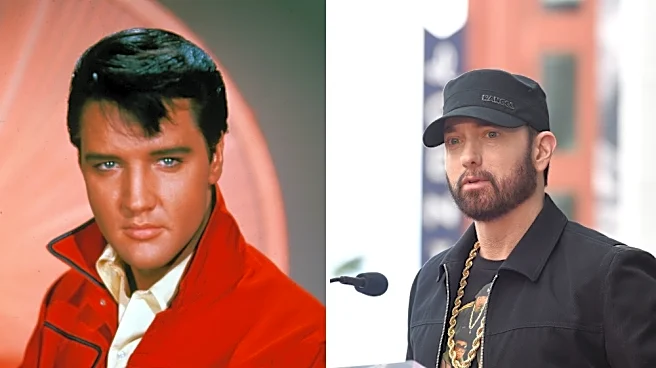
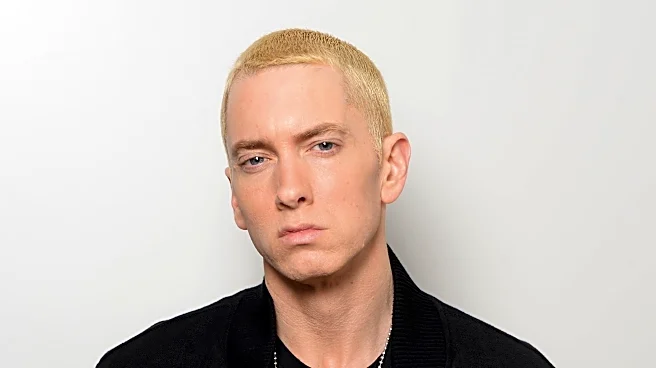
The estates of Elvis Presley, along with the publisher of many of Eminem's recordings, have filed separate federal lawsuits against the AI music generator Suno. The Presley lawsuit, brought by Authentic Brands Group and Raleigh Music Publishing, alleges
copyright infringement and exploitation of Presley's identity. They claim Suno violated Tennessee's ELVIS Act by allowing users to generate songs that mimic Presley's vocal timbre without permission. Eight Mile Style, which controls Eminem's recordings, alleges Suno infringed its copyright by enabling users to create songs and lyrics that replicate the rapper's work. Attorneys representing both parties argue that Suno has 'mechanically encoded itself with artists’ identities' for commercial gain, providing examples of generated songs that allegedly sound like Presley or reproduce Eminem's lyrics.
Why It's Important?
These lawsuits represent a significant legal challenge to the burgeoning AI music generation industry, particularly concerning intellectual property rights and artist likeness. The cases highlight the growing tension between technological innovation and the protection of creative works and personal brands. If successful, these lawsuits could establish precedents for how AI companies can use existing copyrighted material and artist identities, potentially leading to new regulations or licensing models for AI-generated content. The ELVIS Act, a 2024 law, is being tested, underscoring legislative efforts to protect artists from AI voice cloning. The outcome will impact not only the financial interests of artists and rights holders but also the operational models of AI companies like Suno, which currently boasts a $5.4 billion valuation despite ongoing legal battles.
What's Next?
Suno has denied the allegations, stating its platform aims to help users create original music and prohibits unauthorized use of artist work, including blocking prompts for specific artist names. However, previous lawsuits, such as one by Americana singer Jason Isbell, suggest users can bypass these restrictions. The legal proceedings will likely involve extensive discovery to determine the extent of Suno's alleged infringement and the effectiveness of its protective measures. These cases follow similar lawsuits against other AI companies like Anthropic and Meta, indicating a broader legal trend where artists and rights holders are actively seeking to protect their intellectual property in the age of generative AI. The rulings in these cases could shape future legislation and industry standards for AI development and content creation.
Beyond the Headlines
Beyond the immediate legal and financial implications, these lawsuits raise profound ethical and philosophical questions about creativity, originality, and the future of artistic expression. The attorneys' statement, 'The next Elvis won’t pick up a guitar,' encapsulates a fear that AI could devalue human artistry and make creative pursuits less viable. This debate extends to the very definition of 'art' when generated by algorithms trained on existing human works. The cases also highlight the challenges of enforcing copyright in a digital age where AI can rapidly replicate and transform content. The outcome could influence public perception of AI's role in creative industries, potentially leading to a greater demand for transparency and ethical guidelines in AI development to ensure fair compensation and recognition for human creators.