
What's Happening?
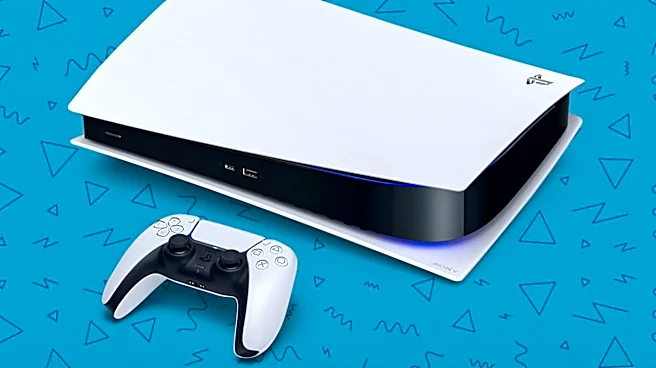
Jailbroken PlayStation 5 consoles are now capable of emulating PlayStation 2 and Xbox 1 games through new projects. The PS5X2 project, a port of the PCSX2 PS2 emulator, is reportedly quite complete, offering
GPU acceleration via the Vulkan API using the PS5Vulkan project. Many PlayStation 2 games are said to run at full speed, even at higher resolutions than their originals. In contrast, the XPSemu project, based on the xemu Xbox emulator, is currently at an Alpha 1 level with more limited game compatibility, though 'Halo 2' is noted to run well. These emulators require disc images of the games to be stored on the PS5's SSD, as direct playback from original DVDs is not supported. Additionally, there are reports of a 'PP' project, or PS5 Proton, which aims to port Wine to the PS5, potentially enabling the console to run Windows games. This development highlights the nature of modern consoles as x86-based gaming PCs with custom firmware, which, once bypassed, allows for broader software applications.
Why It's Important?
This development significantly expands the utility of jailbroken PlayStation 5 consoles beyond their intended use, offering consumers access to a vast library of classic games from previous generations. For enthusiasts and modders, it represents a triumph over proprietary restrictions, demonstrating the potential for open-source software and community-driven development to unlock new functionalities in commercial hardware. This could also influence future console design, potentially pushing manufacturers to consider backward compatibility more broadly or to enhance security measures. The ability to play older games on newer hardware without official support creates a niche market for modified consoles and could impact the sales of officially re-released classic titles. Furthermore, the potential for running Windows games via PS5 Proton could transform the PS5 into a more versatile computing platform, blurring the lines between dedicated gaming consoles and personal computers, and offering a new avenue for PC game developers to reach a console audience.
What's Next?
The PS5X2 and XPSemu projects are likely to continue evolving, with ongoing efforts to improve game compatibility, performance, and potentially add new features. The XPSemu project, being in its early alpha stage, has significant room for development to match the PS5X2's current completeness. The 'PP' project, aiming to bring Windows game compatibility to the PS5, is still in its early stages with no public releases, but its progression could open up a new frontier for console gaming. As these projects mature, the community of jailbroken PS5 users will likely grow, leading to more widespread adoption and further innovation in console modification. However, these activities operate outside official channels and may face challenges from console manufacturers who typically seek to maintain control over their platforms and intellectual property. Future updates to the PS5's official firmware could also attempt to patch the vulnerabilities exploited by jailbreaking methods, leading to an ongoing cat-and-mouse game between developers and modders.
Beyond the Headlines
The emergence of emulation on jailbroken PS5s touches upon broader discussions regarding digital ownership, hardware control, and the longevity of gaming content. In an era where digital storefronts and proprietary hardware can limit access to older games, emulation provides a means of preserving gaming history and allowing players to revisit titles that might otherwise be inaccessible. This raises ethical and legal questions about copyright and intellectual property, particularly when games are played from illegally obtained disc images. The trend also highlights the increasing convergence of console and PC architectures, suggesting a future where the distinction between these platforms might become less pronounced. The modding community's ability to repurpose powerful console hardware for unintended uses underscores the ingenuity of users and the constant tension between corporate control and user freedom in the technology landscape. This ongoing dynamic shapes how consumers interact with their devices and the future of digital entertainment.