








What's Happening?
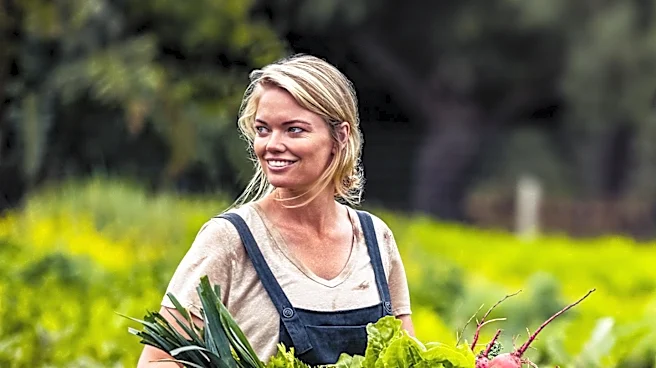
Black Star Farms in Northern Michigan is providing hands-on cooking classes and culinary programs that focus on local produce and seasonal ingredients. Danny Simmons, director of culinary and events at Black Star Farms, highlights the philosophy that 'what
grows together, goes together,' building food and wine experiences around what Northern Michigan offers at any given moment, paired with locally grown and made wines. These experiences aim to connect guests with the land and its seasonal bounty, rather than merely observing it. Similarly, Carrie Masters, chef and owner of Bird & Toad in Marquette, emphasizes using hyperlocal, seasonal produce and foraged goods to guide her menus, reflecting a strong sense of pride and connection to nature in Michigan's Upper Peninsula. The approach involves piecing together meals from local purveyors, often best enjoyed outdoors where the ingredients originated. This trend aligns with the broader idea of culinary tourism, where travelers seek authentic local foods, fresh ingredients, and related customs to gain a deeper understanding of a destination's culture.
Why It's Important?
This focus on local and seasonal ingredients in culinary experiences is important for several reasons. Economically, it supports local farmers, producers, and purveyors, strengthening regional food systems and contributing to the local economy. By emphasizing 'what grows together, goes together,' Black Star Farms and similar establishments promote sustainable practices and reduce the carbon footprint associated with food transportation. Socially, these hands-on experiences foster a deeper connection between consumers and their food sources, enhancing appreciation for agricultural practices and regional culinary traditions. For tourists, it transforms a meal from mere consumption into a cultural narrative, offering an authentic and immersive way to experience Northern Michigan. This trend also highlights a shift in consumer preferences towards experiential travel, where unique, localized activities are prioritized over conventional sightseeing, benefiting local communities by creating demand for their unique offerings and expertise.
What's Next?
The trend of culinary tourism, with a strong emphasis on local and seasonal ingredients, is likely to continue growing. More establishments in regions like Northern Michigan may adopt similar models, offering hands-on classes, farm-to-table dining, and curated food and wine pairings. This could lead to increased collaboration between local farms, wineries, and culinary businesses, further solidifying regional food identities. Consumers can expect a wider array of immersive culinary experiences, potentially including foraging tours, specialized workshops focusing on specific local products, and events that integrate food with other regional attractions. The success of these programs may also encourage other U.S. regions to develop and promote their unique culinary landscapes, attracting food-focused travelers and boosting local economies. Educational institutions might also see an increased demand for culinary programs that emphasize regional and sustainable cooking.
Beyond the Headlines
Beyond the immediate culinary appeal, this movement towards hyper-local and seasonal cooking experiences reflects a broader cultural shift towards authenticity, sustainability, and mindful consumption. It challenges the conventional food supply chain by prioritizing proximity and seasonality, encouraging a re-evaluation of how food is sourced and prepared. Ethically, it promotes fair practices for local producers and highlights the importance of environmental stewardship in agriculture. Culturally, these experiences help preserve and celebrate regional culinary heritage, preventing the homogenization of food culture. The emphasis on hands-on learning also empowers individuals with practical skills and knowledge about food, fostering a more informed and engaged consumer base. This approach can also serve as a model for community development, demonstrating how local resources and traditions can be leveraged to create unique and economically viable tourism offerings, ultimately enriching both visitors and residents.