


What's Happening?
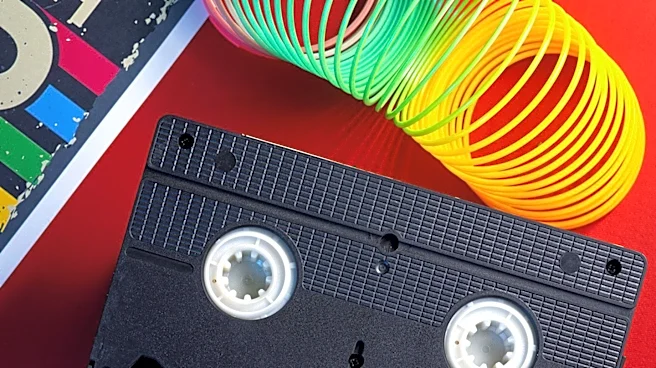
The 1990s are experiencing a significant cultural resurgence, with widespread nostalgia for the decade evident across various media and consumer trends. This renewed interest is fueled by social media discussions, with subreddits like r/90s dedicated
to reminiscing about the era. The decade's influence is visible in fashion, music, and entertainment, with trends like Doc Martens, tartans, and '90s movies and bands making comebacks. The recent FX limited series 'Love Story: John F. Kennedy Jr. & Carolyn Bessette' has further amplified this nostalgia, particularly for a perceived '90s New York fantasy. This fascination extends beyond those who lived through the decade, with Gen Z members expressing a mystical view of the '90s, often seeing it as a simpler, less digitally saturated time.
Why It's Important?
The enduring appeal of the 1990s highlights a broader societal yearning for a perceived simpler past, particularly in an increasingly complex and digitally driven world. This nostalgia impacts consumer behavior, driving demand for '90s-inspired products and experiences, which in turn influences industries like fashion, entertainment, and retail. For businesses, understanding this nostalgic pull can inform marketing strategies and product development. Culturally, the resurgence of '90s aesthetics and values reflects a collective desire for authenticity, privacy, and physical interaction that many feel is lacking in the current era of constant connectivity. The phenomenon also underscores how historical periods are reinterpreted and romanticized over time, shaping contemporary identity and aspirations. It suggests that nostalgia is not merely about reliving the past but about finding comfort and meaning in historical narratives to navigate the present.
What's Next?
The '90s revival is likely to continue evolving, with new interpretations and influences emerging. We can expect to see more media content, fashion lines, and cultural events drawing inspiration from the decade. The focus might shift to different aspects of the '90s, exploring less mainstream subcultures or specific regional trends. As younger generations discover the decade, their interpretations will add new layers to the ongoing nostalgia. Businesses will continue to capitalize on this trend, potentially leading to a saturation of '90s-themed products. However, the underlying desire for a less digitally intrusive and more physically connected world, which the '90s often symbolizes, may also drive innovation in areas that promote real-world experiences and community building.
Beyond the Headlines
The fascination with the 1990s goes beyond mere trends; it taps into deeper psychological needs. Research suggests that reminiscing about meaningful times can enhance feelings of social connectedness, optimism, and well-being. In a world often characterized by anxiety and uncertainty, looking back at a 'golden age' can provide a sense of comfort and a more positive outlook on the future. The '90s represent a transitional period before the full dominance of the internet and smartphones, symbolizing a time when life felt more 'private, physical, and not yet fully swallowed by the internet.' This longing for a pre-digital existence highlights a growing societal introspection about the impact of technology on human connection and mental health. The nostalgia for the '90s, therefore, is not just about fashion or music, but about a collective yearning for a different way of life.