







What's Happening?
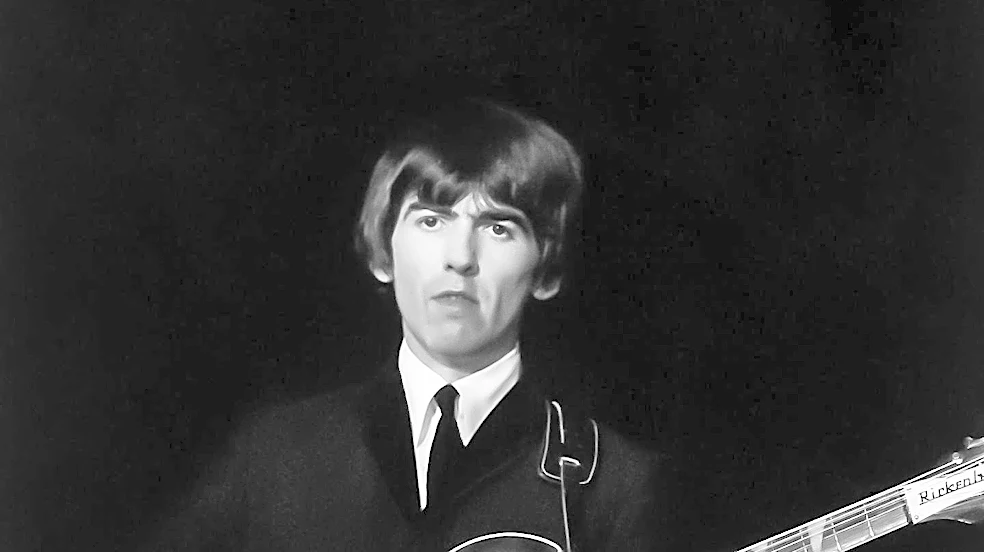
In September 1963, George Harrison of The Beatles spent two weeks in Benton, Illinois, visiting his sister Louise Harrison Caldwell, before the band achieved widespread fame in the United States. During his stay, Harrison experienced a period of relative
anonymity, engaging in everyday activities such as buying a guitar, discovering music, and performing with a local rockabilly group, The Four Vests, at a VFW hall in Eldorado. This performance is considered the first live appearance by a Beatle in the U.S. Louise actively tried to generate publicity for The Beatles, contacting local radio stations and newspapers, though with limited success at the time. The town of Benton continues to acknowledge this historical footnote with plaques and efforts to preserve sites associated with his visit, such as Louise's former home.
Why It's Important?
George Harrison's visit to Benton, Illinois, offers a unique glimpse into a pre-Beatlemania America and a formative period for the musician. It highlights the stark contrast between his quiet, anonymous experience in rural Illinois and the global superstardom that would follow just months later. This period allowed Harrison to engage with American culture, influencing his musical tastes and personal development. The local efforts to preserve and promote this history, despite challenges, underscore the enduring cultural impact of The Beatles and the significance of even minor historical connections. The story also touches on broader themes of small-town decline and the struggle to capitalize on historical tourism, as Benton grapples with fading memories and economic shifts.
What's Next?
Efforts are underway to further commemorate George Harrison's visit to Benton. Jeremy Young, a local realtor and Beatles fan, recently purchased Louise Harrison Caldwell's former home with plans for restoration, potentially turning it into a B&B or museum. He also announced "Here Comes the Fest," a two-day Beatles festival scheduled for 2027, aiming to revive interest and attract visitors. These initiatives seek to capitalize on the historical connection and boost local tourism. However, challenges remain, including the fading memory of the event among younger generations and the need for private investment to sustain such projects. The ongoing development of a film based on Harrison's visit, optioned by producer Ken Kwapis, could also bring renewed national attention to Benton's unique place in music history.
Beyond the Headlines
Harrison's time in Benton reveals deeper societal aspects of 1963 America. His unsettled reaction to a racist comment on his flight and The Beatles' later refusal to play to segregated audiences highlight the civil rights issues prevalent at the time. His exposure to the vast American wilderness, particularly in Shawnee National Forest, is believed by some to have influenced his later spiritual development. The narrative also subtly reflects the economic decline of southern Illinois's mining communities, contrasting Benton's past prosperity with its present struggles. This historical footnote, while seemingly minor, serves as a window into the cultural, social, and economic landscape of the U.S. just before a monumental shift in popular culture, offering insights into how brief moments can connect to larger historical narratives.